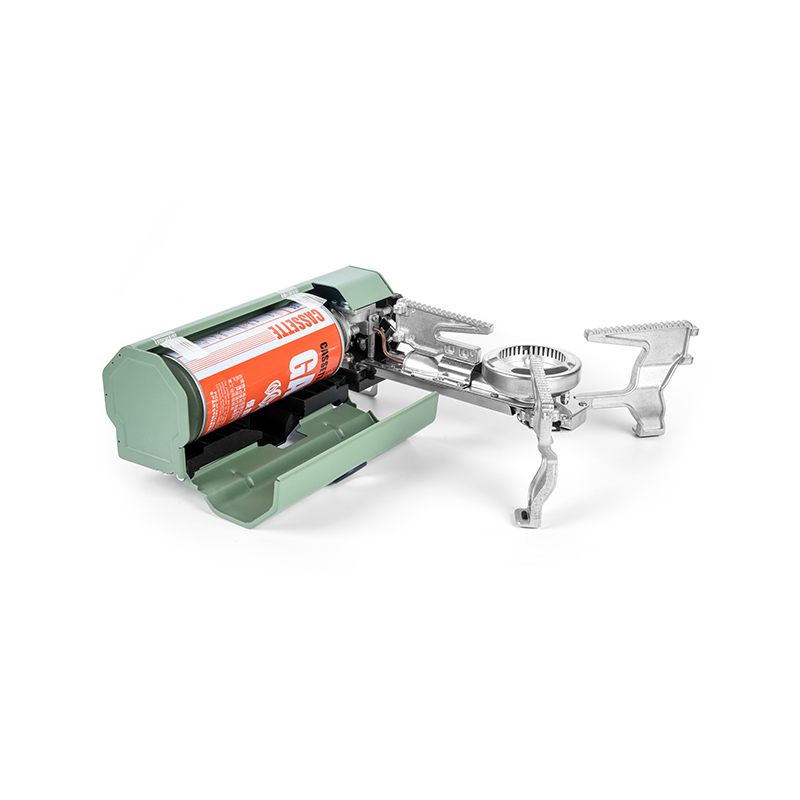
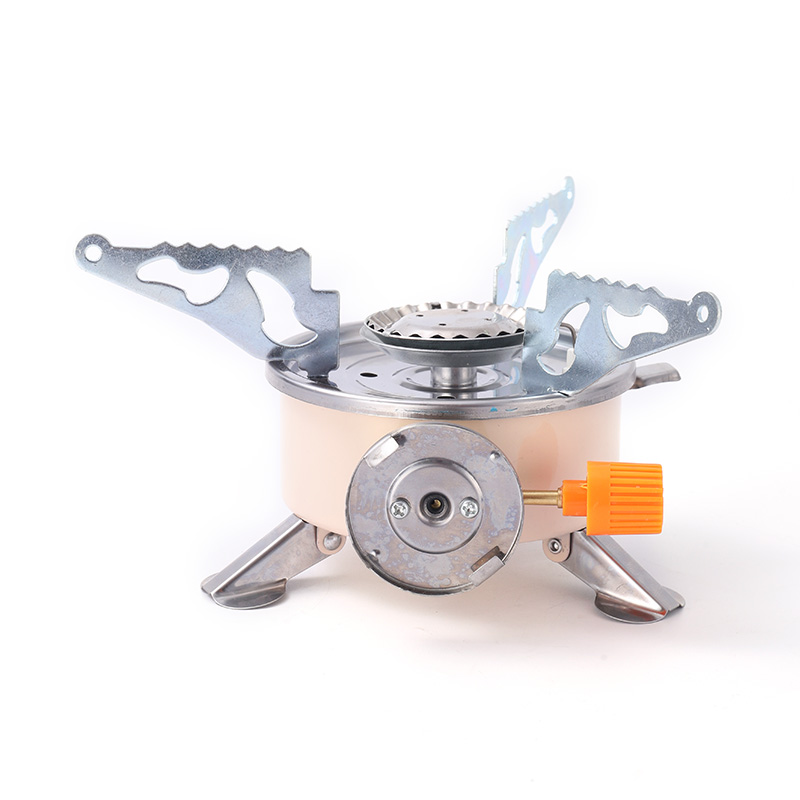
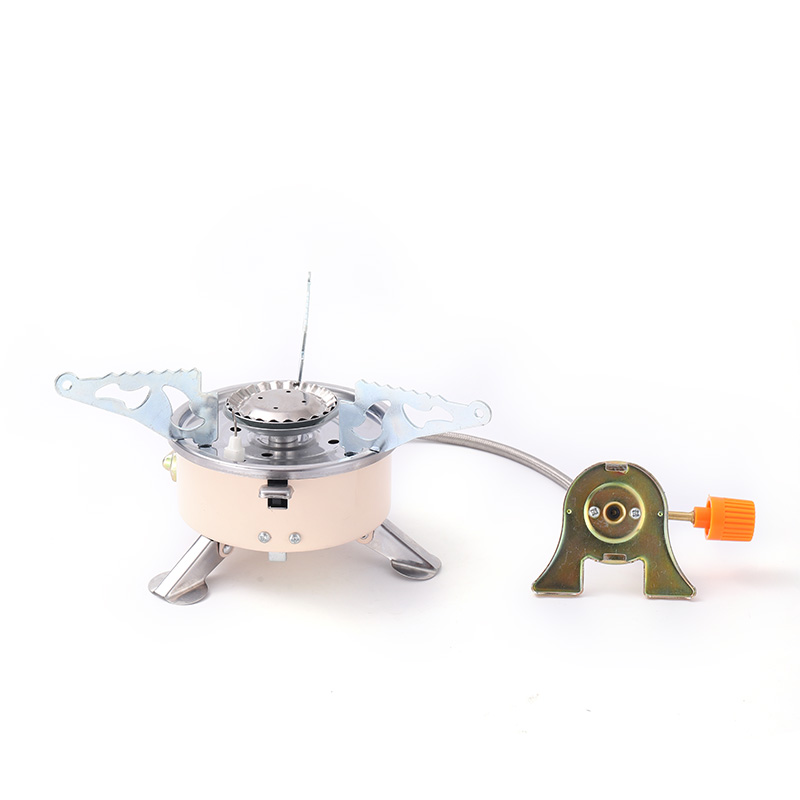
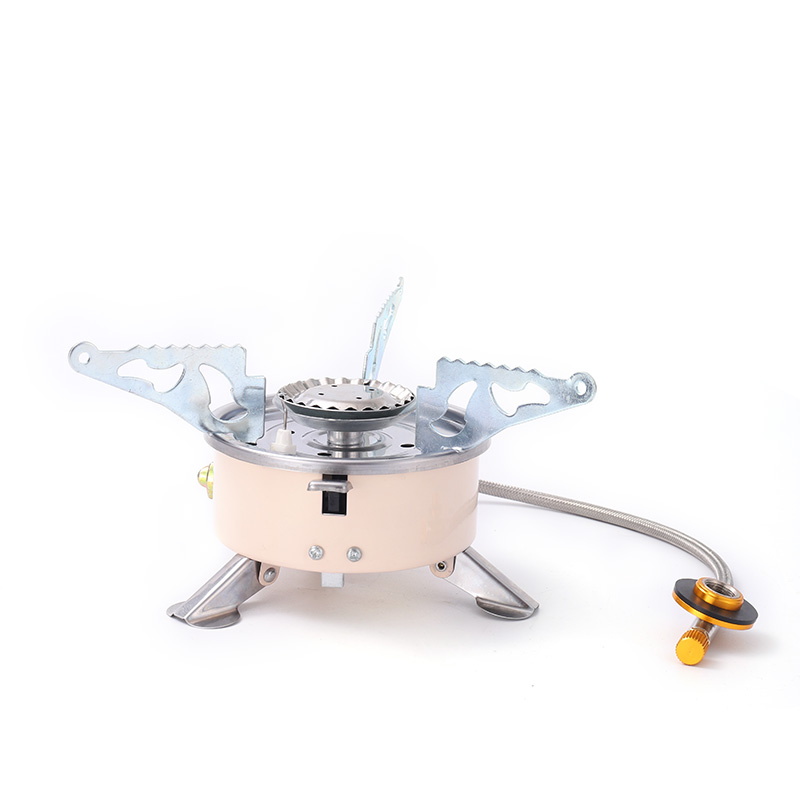
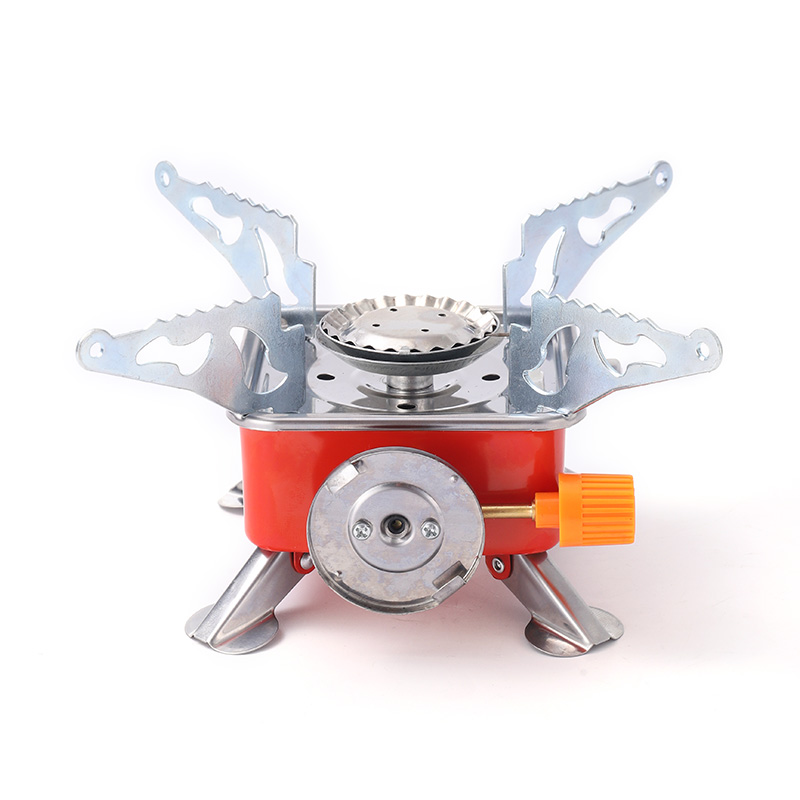
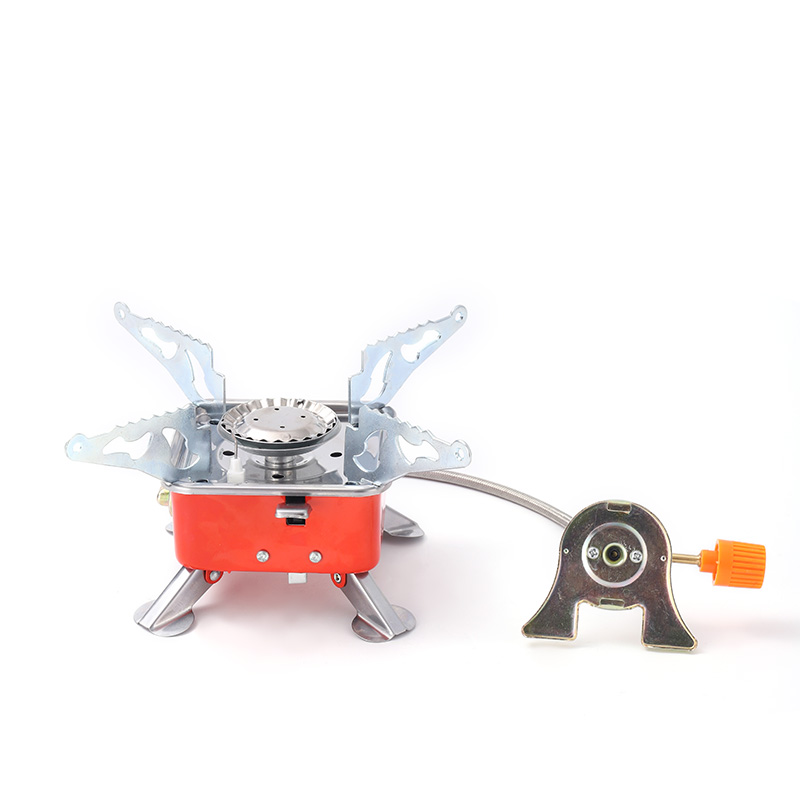
Cooking outdoors with a small gas stove is enjoyable, but it also carries risks that every user should understand. Before lighting any camping stove, a few simple checks can prevent accidents and injuries. The Portable Windproof Folding Gas Stove is designed with safety in mind, but the user’s actions before and during use are what truly keep a campsite safe.
Check One: The Gas Canister Connection
The point where the stove attaches to the gas canister is a common source of leaks. Before each use, inspect the rubber seal inside the stove’s connection fitting. Look for cracks, flat spots, or dirt. A damaged seal should be replaced before the stove is used. Next, attach the canister firmly by hand, without using tools. Turn the valve just until you feel resistance. Then open the valve slightly and listen for a hissing sound. You can also apply a few drops of soapy water to the connection; bubbles indicate a leak. If bubbles appear, close the valve, detach the canister, and check both threads for damage. Never use a stove with a leaking connection.
Check Two: Stability of the Folded Legs and Pot Supports
A stove that tips over during cooking can cause burns, fires, or spilled hot food. Before lighting, unfold the stove fully and make sure all support arms lock into place. Gently push down on each arm to test for looseness. Place the stove on a flat, hard surface if possible. If the ground is soft or uneven, use a small flat rock or a piece of wood to create a level base. Then put your empty pot on the stove and observe whether the stove wobbles. A stable setup keeps the pot centered over the flame. For larger pots, be extra careful: a wide pot can shift the stove’s center of gravity. Use a wider pot support accessory if the stove offers one.
Check Three: Ignition System and Flame Appearance
Before putting a pot on the stove, test the ignition in a clear area. If the stove has a piezo igniter, press it and watch for a spark. If no spark appears after a few tries, have a backup lighter or matches ready. Once the stove lights, look at the flame color. A healthy flame is mostly blue with small yellow tips. A completely yellow or orange flame suggests incomplete combustion, which can produce more carbon monoxide and soot. This may happen if the burner holes are dirty. Allow the stove to cool, then clean the burner with a soft brush or a pin. Never use a stove that produces a large, uneven, or smoky flame.
Check Four: Ventilation and Surrounding Area
Gas stoves consume oxygen and release carbon monoxide, even in outdoor settings. Using a stove inside a tent, a vehicle, or any enclosed space is unsafe. Always cook in an open area with air moving around you. Also, clear the ground around the stove. Remove dry grass, leaves, pine needles, or any flammable material within a meter of the stove. Keep your fuel canister away from the flame. Do not place the stove near the entrance of a tent where fabric could blow into the fire. If the wind is strong, position a natural windbreak such as a backpack or a rock wall, but leave enough space for air to reach the burner.
Additional Habits for Safe Use
Beyond these four checks, a few habits reduce risk. Always stay near the stove while it is lit. Never leave a cooking stove unattended. Keep a container of water or a small fire extinguisher within reach. When you finish cooking, close the gas valve firmly, wait for the flame to die, then detach the canister. Store the stove and canister separately. Before packing the stove away, let it cool completely. Finally, check the gas canister for rust or dents before each trip; damaged canisters should be recycled according to local rules.
Performing these four safety checks takes only a minute or two. The Portable Windproof Folding Gas Stove, like any outdoor cooking tool, works well when the user pays attention to connections, stability, flame quality, and the surrounding environment. A careful approach makes camping meals safer for everyone.

Copyright © Yongkang Aomijia Industry & Trade Co., Ltd. All Rights Reserved.
Lightweight Camping Gas Stove Cookware Factory

 English
 中文简体
中文简体