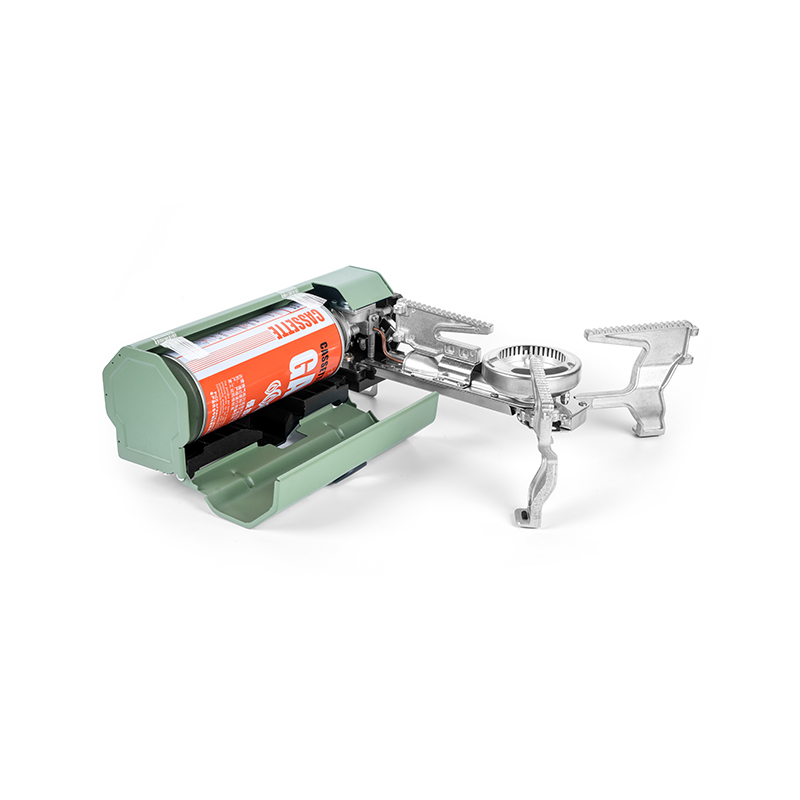
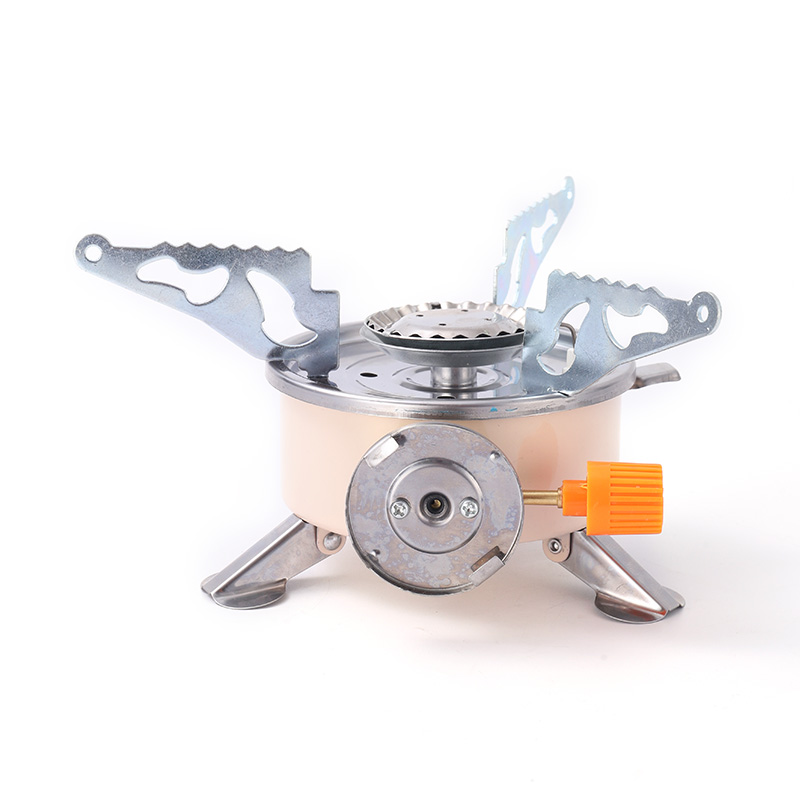
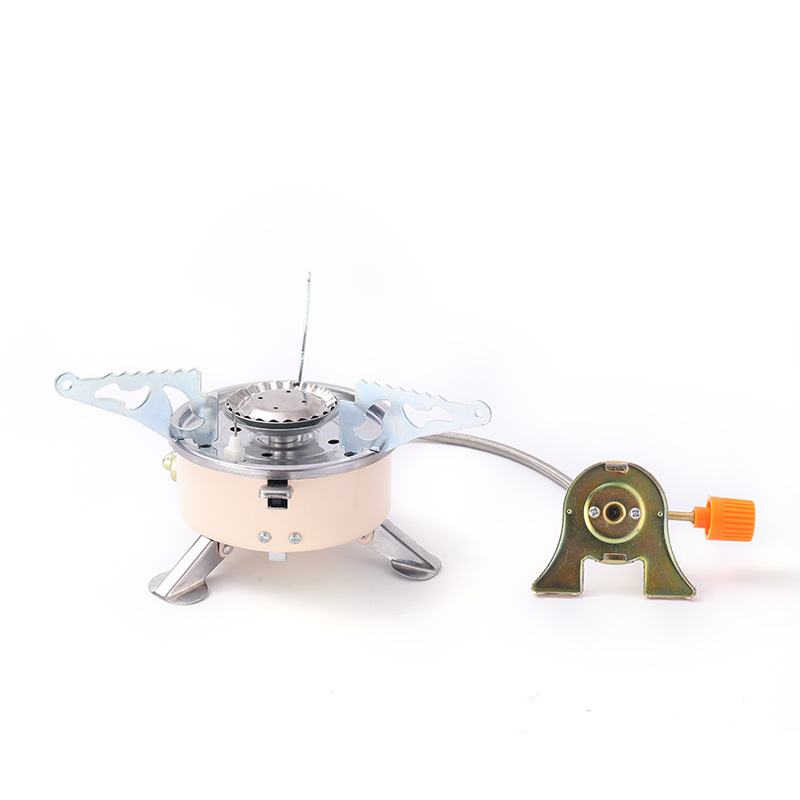
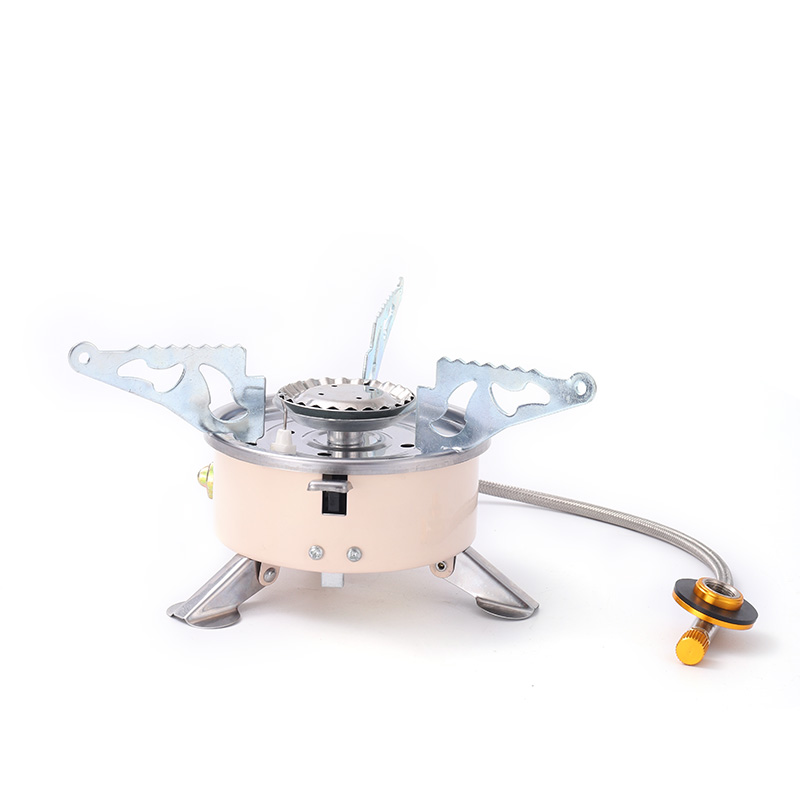
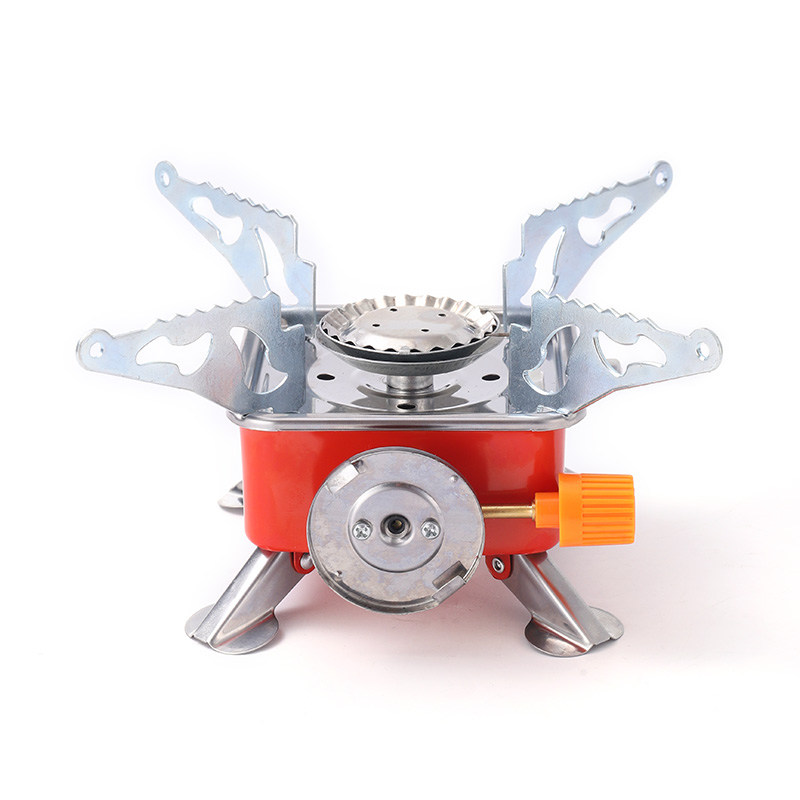
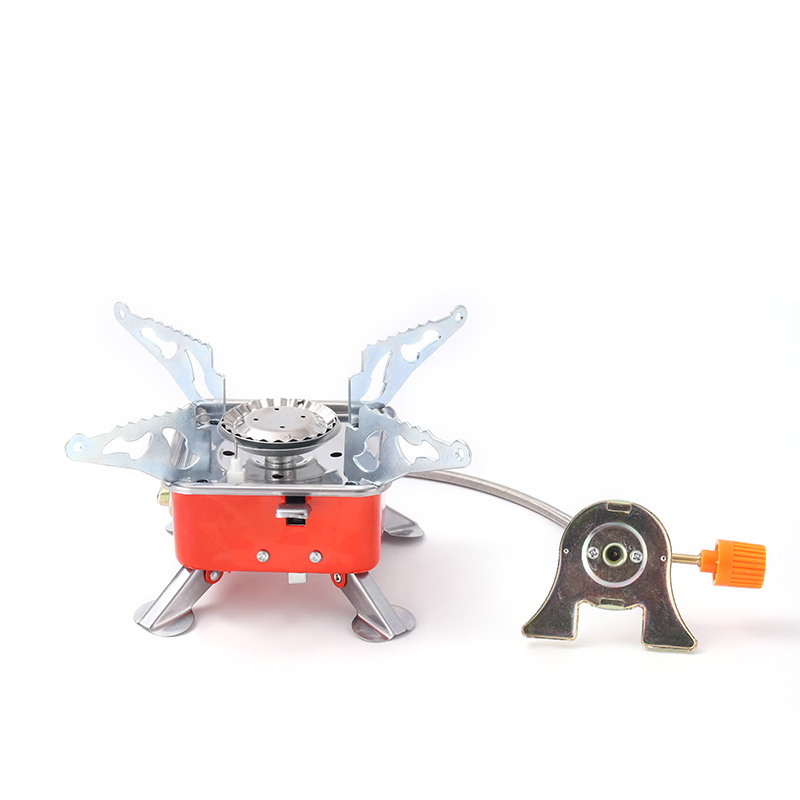
Outdoor gear buyers are paying close attention to products that combine portability with practical everyday use. For hikers and campers, cookware needs to fit limited backpack space while remaining convenient for preparing meals in changing outdoor conditions. Lightweight Camping Cookware offers outdoor brands and distributors an opportunity to serve these needs, provided product design addresses common issues such as unstable pots, awkward handles, and difficult storage. As a manufacturer, we consider these details during product development and sample evaluation.
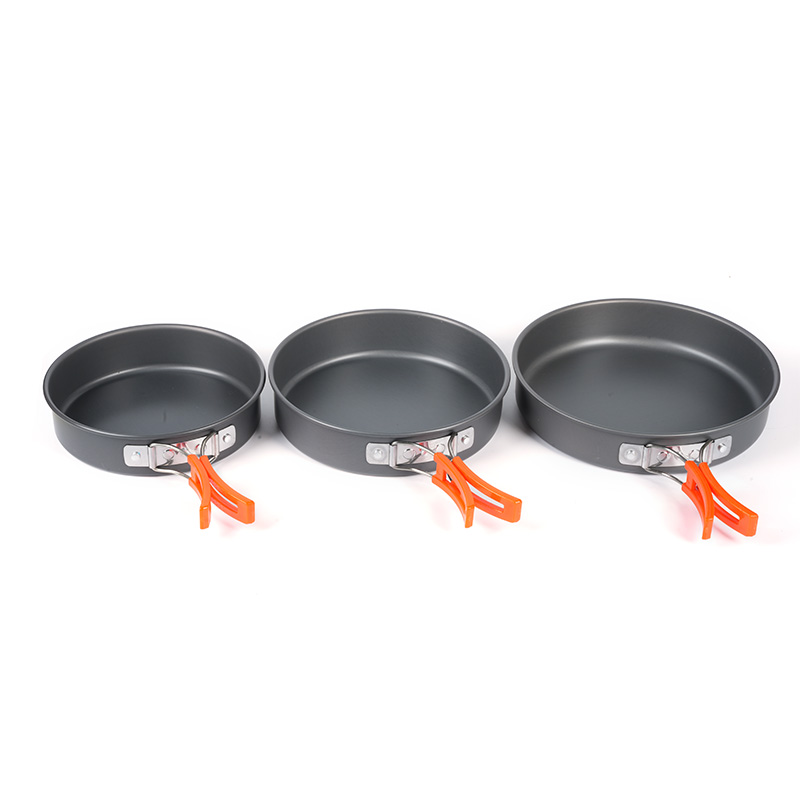
Not every camper needs a complete cooking set. Solo hikers may only require a small pot for boiling water, while campers preparing fresh ingredients may need a larger vessel and additional utensils. Selecting cookware according to actual cooking habits helps avoid unnecessary weight and unused accessories.
For distributors, offering different capacities and configurations can make a product range more relevant to different customer groups. Clear descriptions of intended use also help shoppers choose suitable equipment.
Titanium, aluminum, and stainless steel each offer different advantages. Titanium is attractive for weight-conscious backpackers, aluminum supports efficient heat transfer, and stainless steel appeals to users who prefer a more substantial cooking vessel.
When sourcing lightweight camping pots and pans, buyers should compare more than material names. Wall construction, handle design, surface treatment, and care requirements can all affect the user experience. Product samples provide a practical way to assess these features before selecting a range for retail distribution.
A lightweight pot must remain manageable when placed on a camping stove. If the base is poorly matched to the burner or the handle interferes with placement, cooking can become inconvenient.
During evaluation, check the following details:
These checks help buyers identify potential usability concerns before placing products on the market.
Cookware often shares backpack space with food containers, water bottles, and other essentials. Nesting designs and folding handles can help reduce clutter, while compatible lids and accessories keep the set organized. Buyers should check whether components fit together securely and remain easy to remove during use.
For private-label outdoor brands, compact packaging and clear product dimensions also help simplify product presentation and online listings.
Outdoor users may have limited access to water, particularly during longer trips. Cookware with accessible surfaces and uncomplicated construction can make routine cleaning easier. However, suitable cleaning methods depend on the material and any applied coating. Manufacturers should provide clear care instructions so distributors can communicate maintenance requirements accurately.
Incomplete descriptions can mismatched expectations. Retail buyers should confirm capacity, material, packed dimensions, included accessories, and recommended stove compatibility before finalizing product listings. Product photographs should also show how components fit together, helping customers understand the actual set rather than relying on appearance alone.
Useful outdoor cookware is not simply a matter of reducing weight. It must also support convenient cooking, safe handling, efficient packing, and manageable maintenance. As a manufacturer, we focus on these practical considerations when developing Lightweight Camping Cookware for outdoor brands and distributors, helping them offer products that fit different camping habits and make meal preparation away from home more convenient.

Copyright © Yongkang Aomijia Industry & Trade Co., Ltd. All Rights Reserved.
Lightweight Camping Gas Stove Cookware Factory

 English
 中文简体