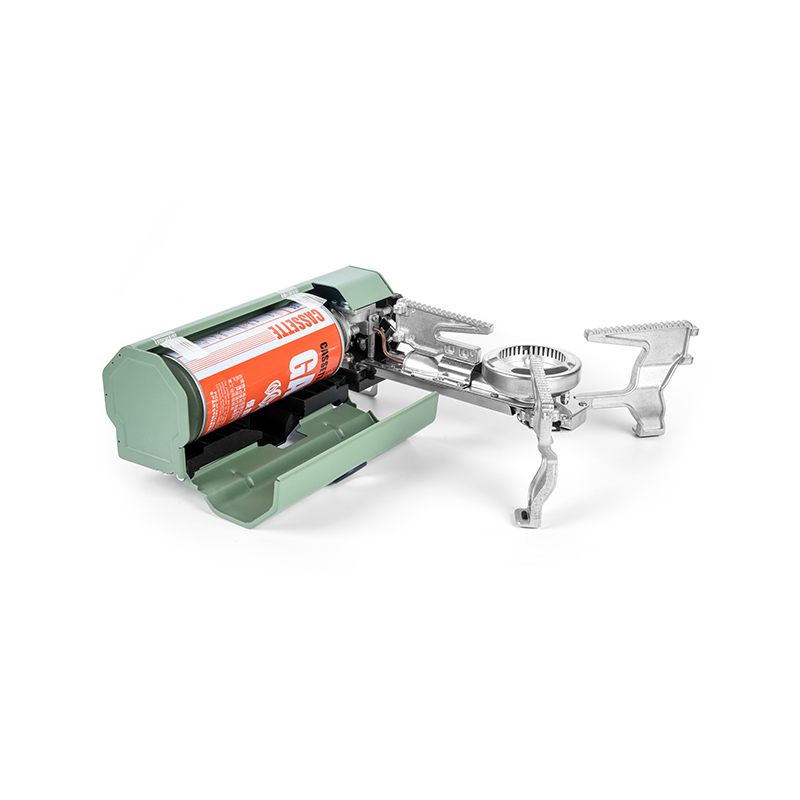
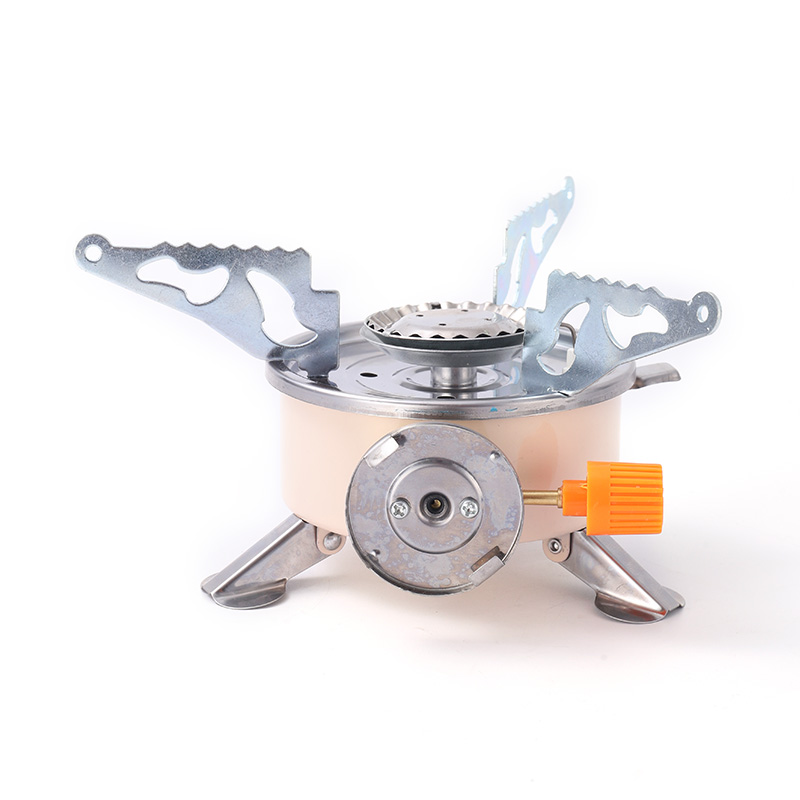
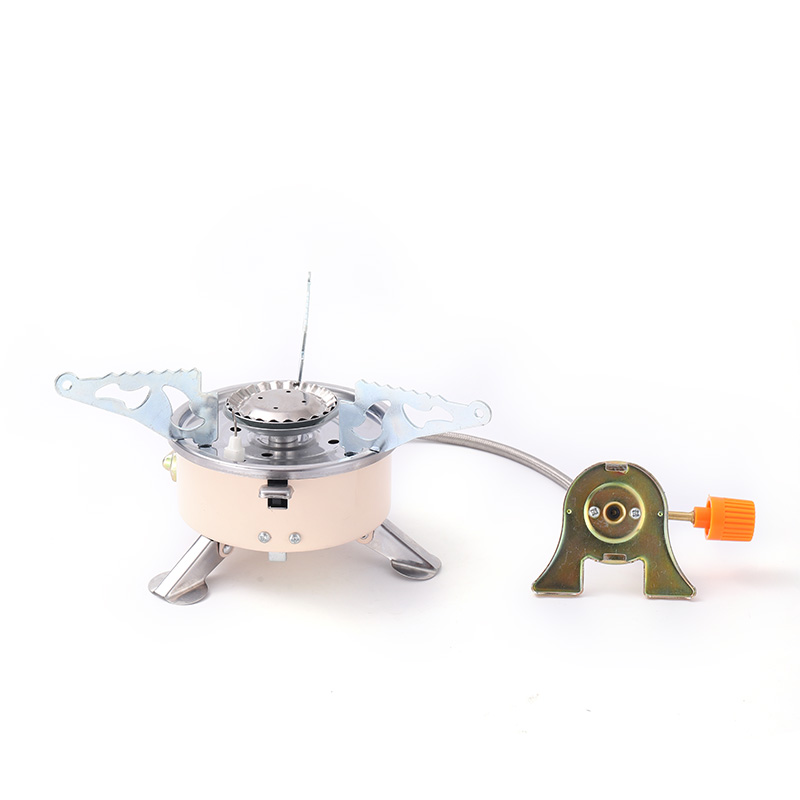
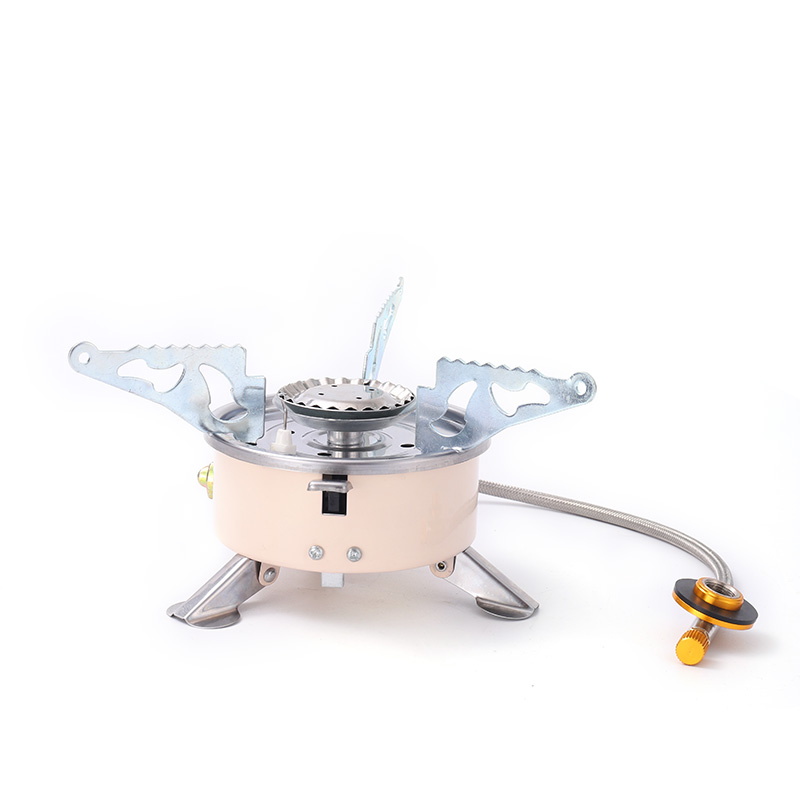
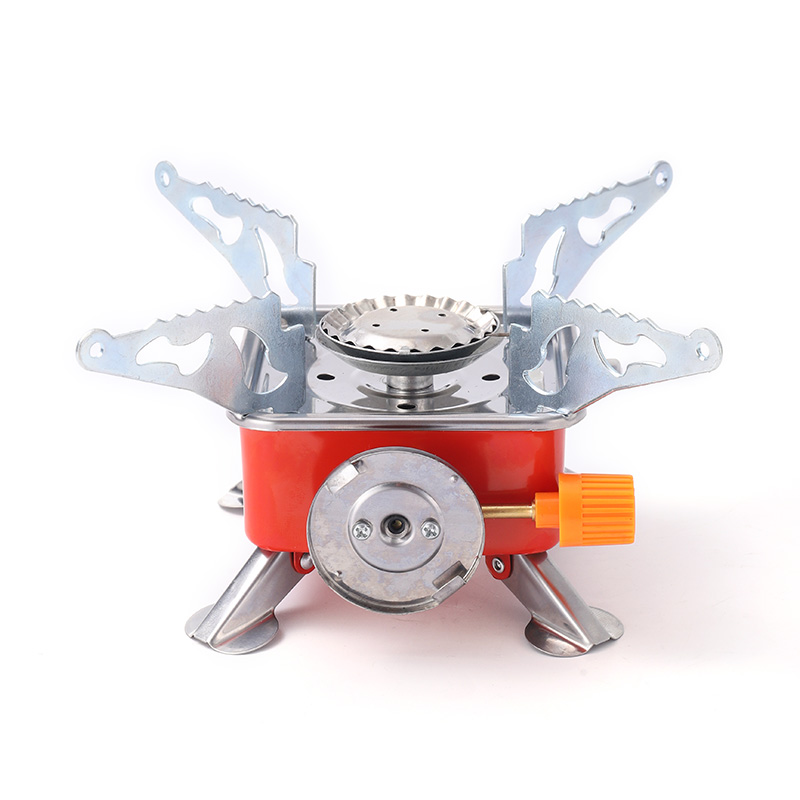
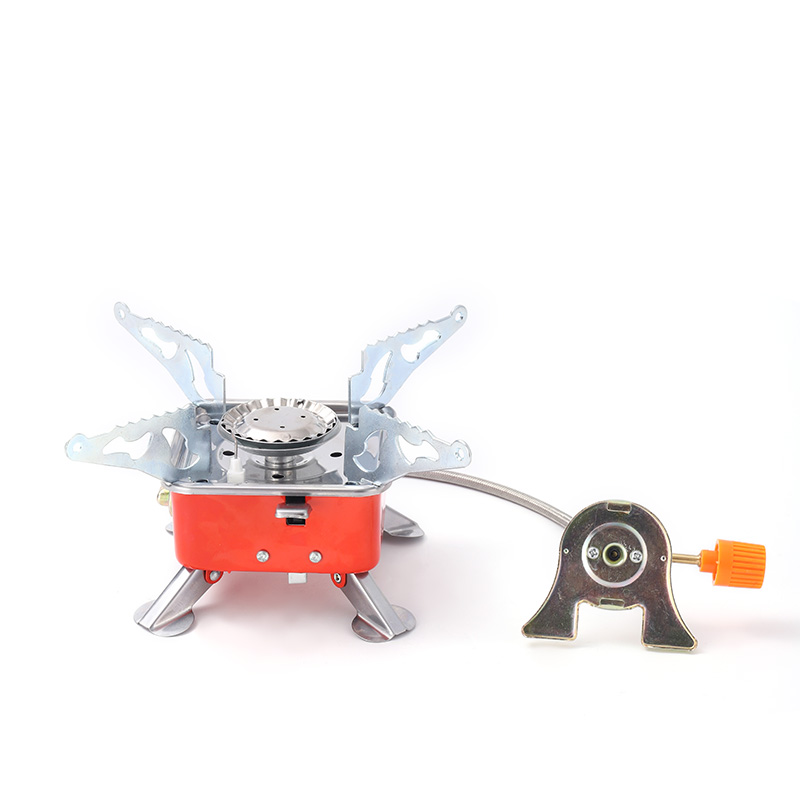
Outdoor cooking has become an important part of modern camping and backpacking activities. Many travelers now carry compact cooking equipment for hiking trips, mountain camping, and short outdoor adventures. The Lightweight Camping Stove is widely used because it is portable, easy to store, and suitable for different outdoor environments. Along with portability, wind resistance has become a major topic among campers looking for more reliable cooking performance outdoors.
Cooking in open environments is very different from cooking indoors. Wind can affect flame direction, heat transfer, and fuel efficiency within seconds. Even light airflow may increase cooking time or make it difficult to maintain a steady flame. Because of this, many stove designs now focus on improving performance under windy outdoor conditions.
How Wind Influences Outdoor Cooking
Wind is one of the common challenges during camping trips. Open campsites, mountain trails, lakeside areas, and coastal environments often experience changing airflow throughout the day.
When the wind reaches the burner area, heat can spread away from the cookware instead of staying concentrated under the pot. This may slow down boiling and increase fuel use during cooking.
Small lightweight stoves are especially affected because their compact burner heads are more exposed to airflow. Narrow flames can become unstable when wind conditions change quickly.
For campers who depend on limited fuel supplies during long trips, this issue becomes even more important. A stove that performs steadily in windy weather can help create a more efficient outdoor cooking experience.
Wind-Resistant Structures Are Becoming More Common
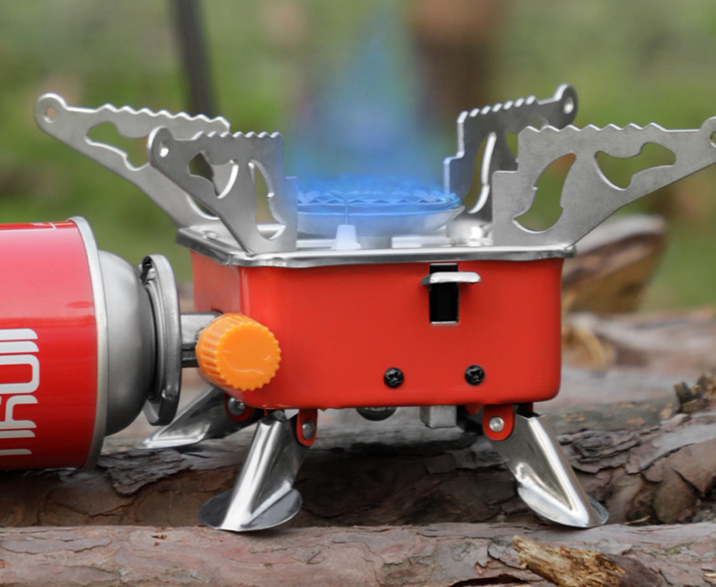
To improve cooking stability outdoors, many camping stoves now include wind-resistant design features. One common approach is adding built-in wind shields around the burner area.
These protective structures help reduce direct airflow reaching the flame. Some designs use foldable metal panels, while others position the burner slightly lower to create natural wind protection.
Another popular feature is a recessed burner structure. By placing the flame deeper inside the stove body, airflow has less direct impact on combustion.
Some compact stoves also use wider burner heads that distribute heat more evenly. A broader flame pattern may improve cooking consistency when wind conditions change outdoors.
These design improvements are becoming more common as outdoor users expect better performance during real camping situations rather than controlled indoor testing.
Materials Used in Wind-Resistant Stove Designs
Material selection also affects wind resistance and outdoor durability. Heat-resistant metals are often used around burner areas because they can tolerate repeated exposure to high temperatures.
Lightweight metal alloys help reduce carrying weight while supporting structural stability during cooking. Foldable support arms and reinforced joints are also important because windy conditions may create small movements during use.
Some camping stoves combine compact folding structures with protective burner frames. This helps maintain portability while adding additional support around the flame area.
Outdoor users increasingly compare structural details such as burner depth, support width, and shield positioning before selecting a stove for hiking or camping trips.
Fuel Efficiency and Wind Protection
Fuel efficiency is closely connected to wind resistance. When heat escapes due to airflow, campers may need longer cooking times and additional fuel consumption.
This becomes important during backpacking trips where carrying extra fuel increases overall pack weight. Campers traveling in colder regions may also rely on faster cooking performance for warm meals and hot drinks.
Wind-resistant stove designs help maintain more stable heat transfer between the flame and cookware. This may support shorter boiling times and more controlled outdoor cooking.
Many campers now look for stoves that balance portability with practical fuel management, especially during multi-day outdoor activities.
Different Outdoor Activities Have Different Needs
Not every camper uses a stove in the same way. Solo backpackers often prefer compact stoves mainly for boiling water and preparing simple meals. In these situations, lightweight design remains a major advantage.
Campers preparing larger meals may focus more on flame stability and cooking consistency. Wind-resistant features can become especially useful during group camping or extended outdoor cooking sessions.
Mountain hikers, bikepackers, and coastal campers often experience stronger wind exposure compared with forest campsites. As a result, cooking equipment requirements may vary depending on the outdoor environment.
This has encouraged stove manufacturers to develop products for different travel styles instead of offering only one general-purpose design.
Changing Trends in Camping Stove Development
Outdoor cooking equipment continues to evolve as more people participate in hiking and camping activities. Portable stove designs are becoming more focused on practical outdoor performance instead of simple weight reduction alone.
Compact wind shields, stable burner structures, and improved flame control systems are increasingly included in modern camping stove designs. Some products also combine cooking systems with integrated cookware to improve heat retention during windy conditions.
As outdoor users continue to share cooking experiences online, interest in practical stove performance is likely to remain strong. Wind resistance has become an important feature because it directly affects fuel use, cooking comfort, and overall outdoor convenience during travel.

Copyright © Yongkang Aomijia Industry & Trade Co., Ltd. All Rights Reserved.
Lightweight Camping Gas Stove Cookware Factory

 English
 中文简体
中文简体