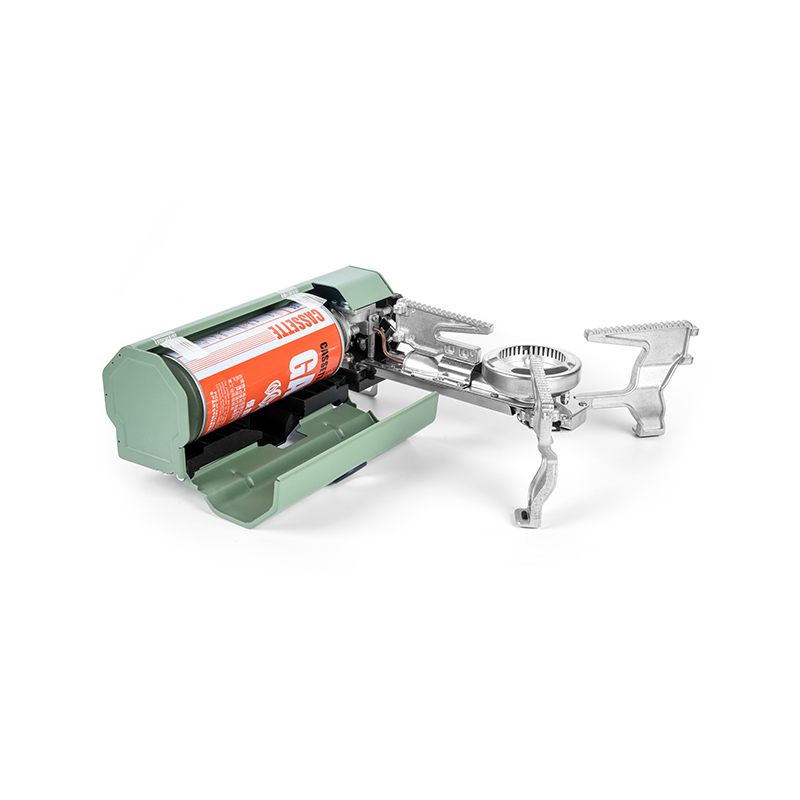
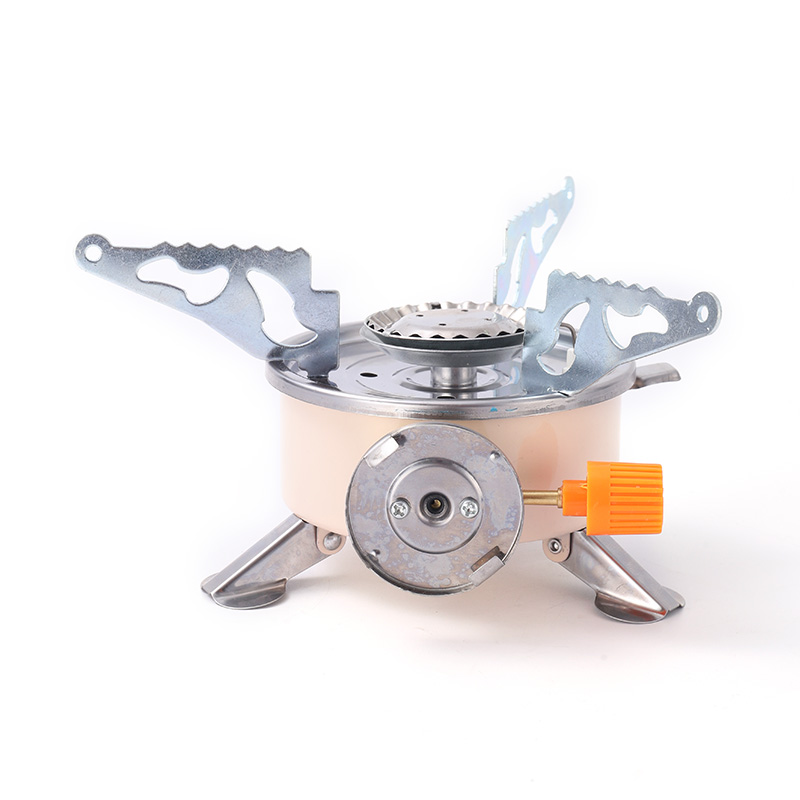
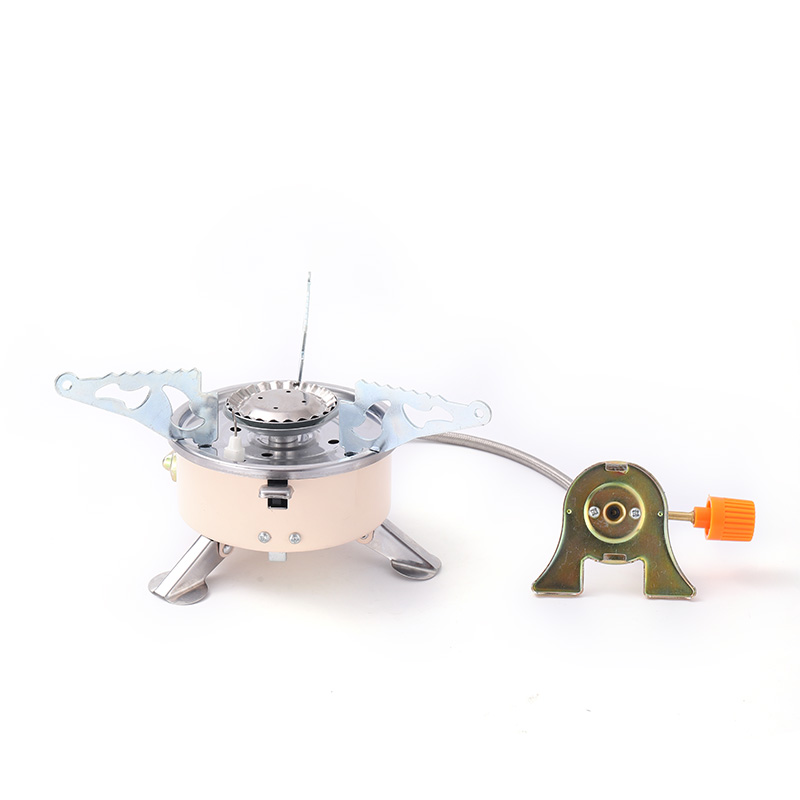
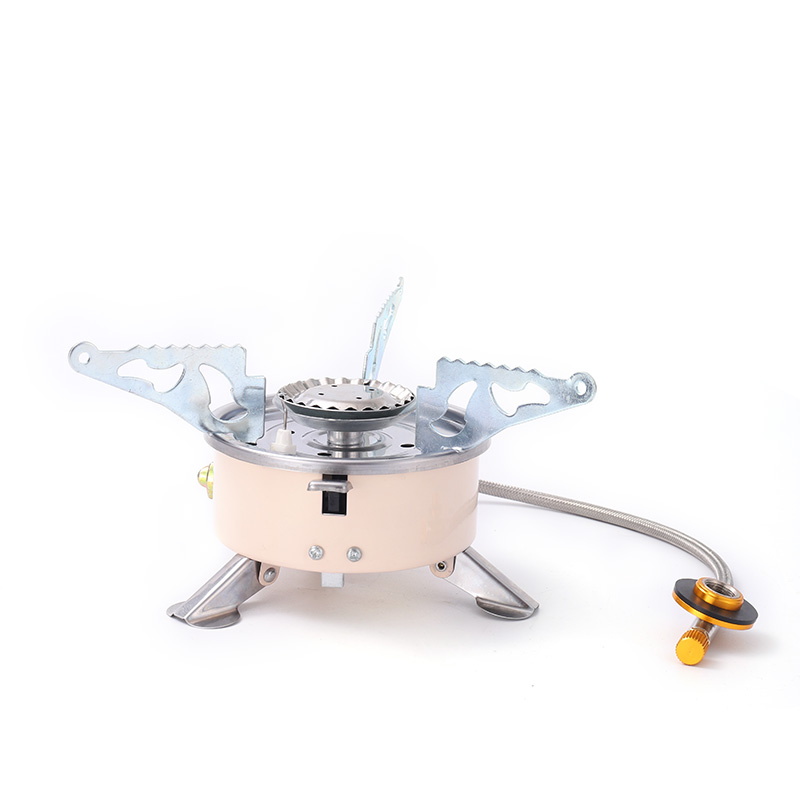
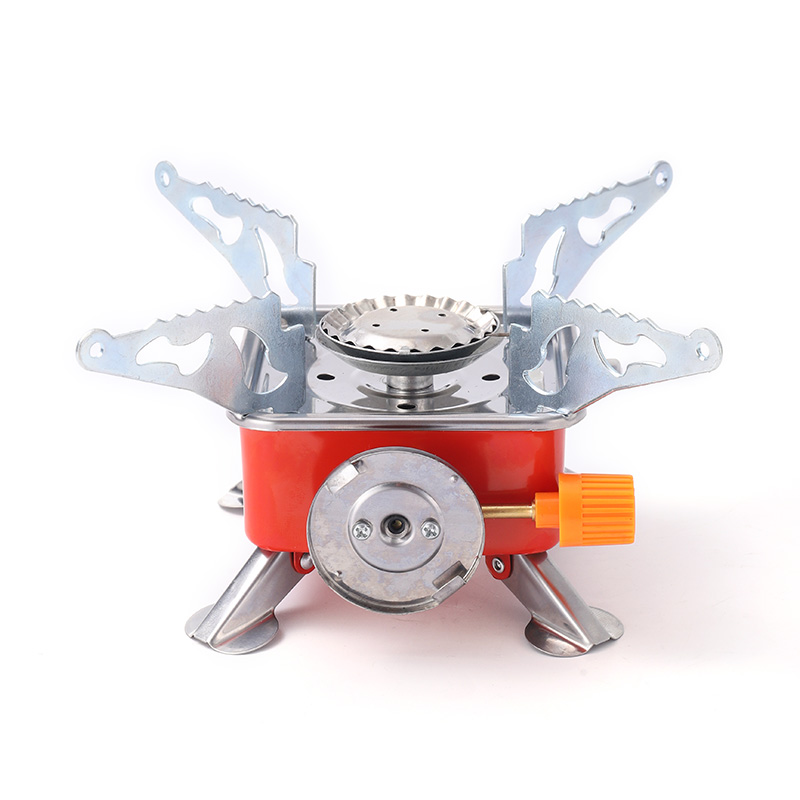
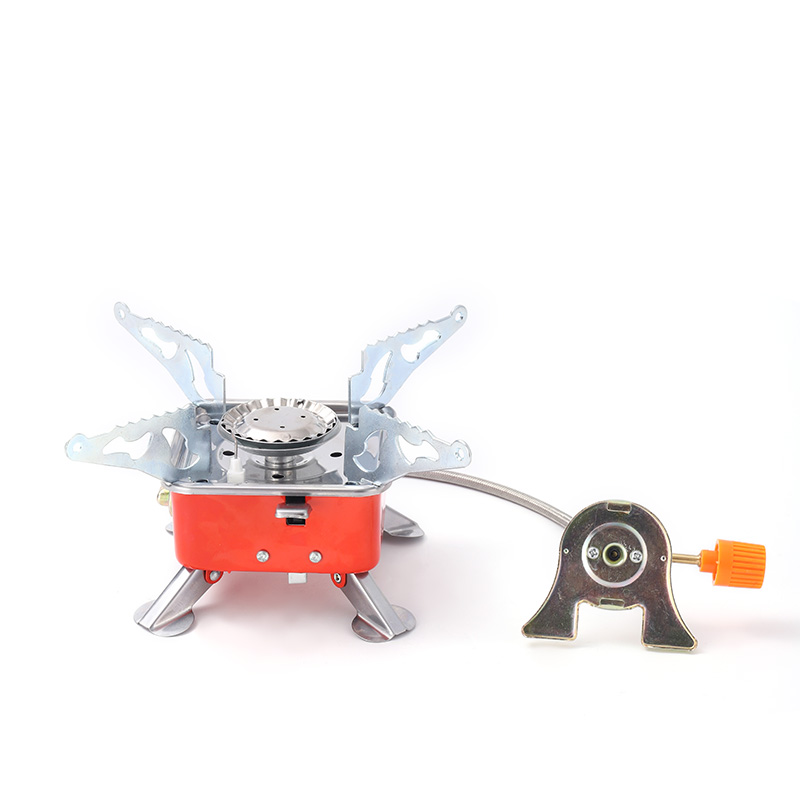
Butane-based fuels power a wide array of portable tools, offering a balance of energy density and convenience for users on the move. Two common examples that share this fuel foundation, yet serve vastly different purposes, are the Portable Windproof Folding Gas Stove and the Butane Torch Head. This article explores the core aspects of performance, fuel compatibility, and safety for the outdoor stove, using the specialized torch head as a point of comparison to highlight how design priorities shift based on application.
The performance of a Portable Windproof Folding Gas Stove is measured by its ability to provide stable, adjustable heat for cooking. Features like wind resistance and simmer control are central to this, allowing users to boil water or simmer a sauce reliably. Performance here means controlled thermal output for food preparation. The Butane Torch Head defines performance differently. Its goal is to generate a concentrated, adjustable flame capable of reaching temperatures sufficient for tasks like soldering or browning food. Its performance metrics focus on flame temperature and precision rather than gentle, sustained heat. Both tools perform well, but their performance is tailored to specific tasks.
For many users, ease of fueling is important. The Portable Windproof Folding Gas Stove commonly uses threaded butane-propane canisters, widely available at camping stores. Some models offer adaptability to different canister types. The Butane Torch Head often uses standard butane canisters, similar to those for refillable lighters, which are also commonly found. A point of overlap exists, as some torch heads can attach to the larger threaded canisters used by stoves, though adapters may be required. Understanding the fuel type and connector for each device ensures users can plan their supplies correctly, whether prepping for a camping trip or a DIY project.
Safety is paramount and is addressed differently by each tool's design. A Portable Windproof Folding Gas Stove incorporates features like stable pot supports, piezo ignition to avoid loose lighters, and sometimes pressure sensors to prevent gas leaks. Its safety design assumes use with cookware and in open but potentially breezy areas. The Butane Torch Head, due to its intense and directed flame, incorporates different safeguards, such as trigger locks to prevent accidental ignition. Its safe use demands a clear, non-flammable work area and awareness of the heat it produces—risks that are different from those associated with a cooking stove. In both cases, safety is enhanced by using the tool only for its intended purpose in an appropriate setting.
Both the Portable Windproof Folding Gas Stove and the Butane Torch Head are effective tools powered by similar fuels. Their designs diverge completely to serve their primary functions: one as a source of cooking heat, the other as a source of industrial or culinary high-temperature flame. By understanding their respective performance characteristics, fuel needs, and built-in safety considerations, users can make informed choices. Selecting the right tool for the job—and using it with attention to its specific operational guidelines—is the surest path to achieving good results while maintaining a safe environment, whether at a campsite or a workbench.

Copyright © Yongkang Aomijia Industry & Trade Co., Ltd. All Rights Reserved.
Lightweight Camping Gas Stove Cookware Factory

 English
 中文简体
中文简体