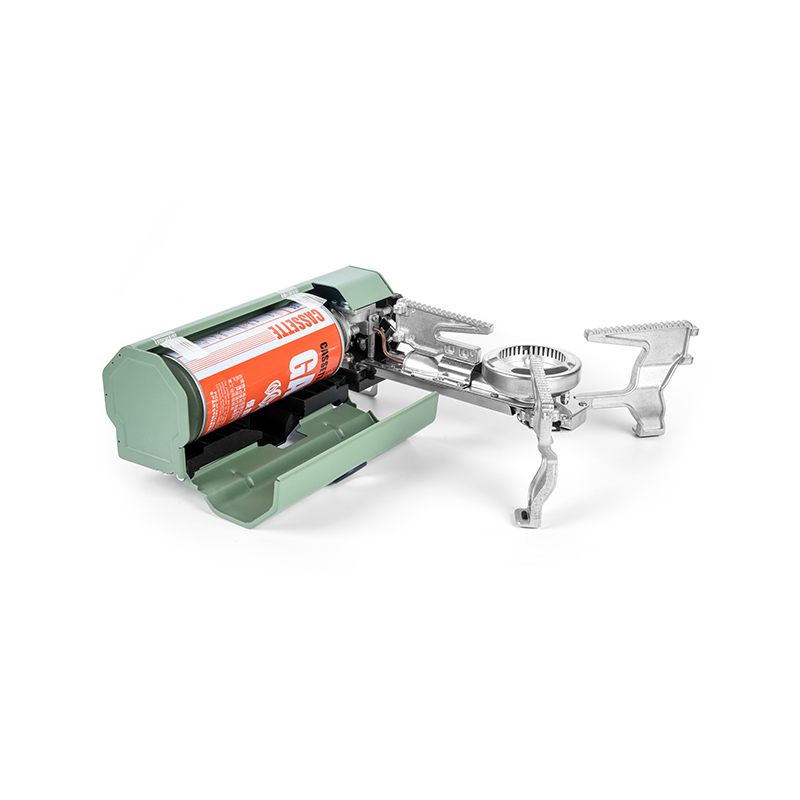
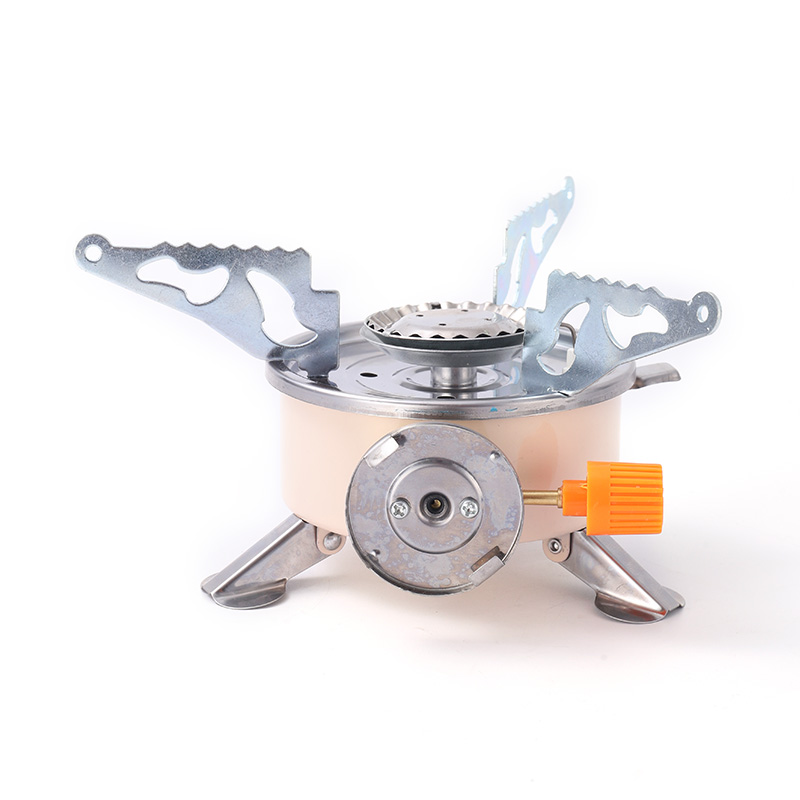
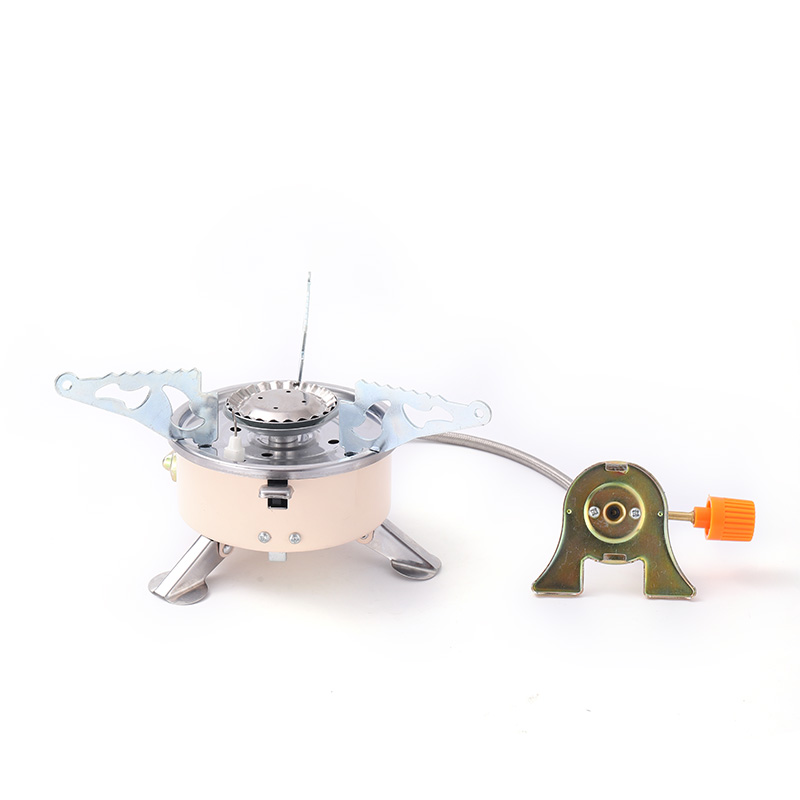
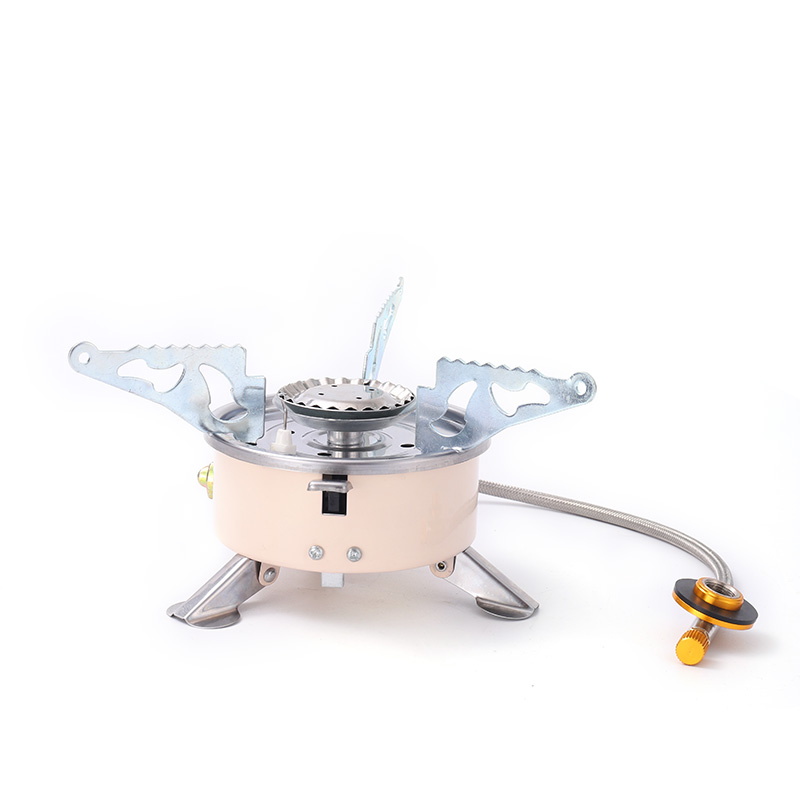
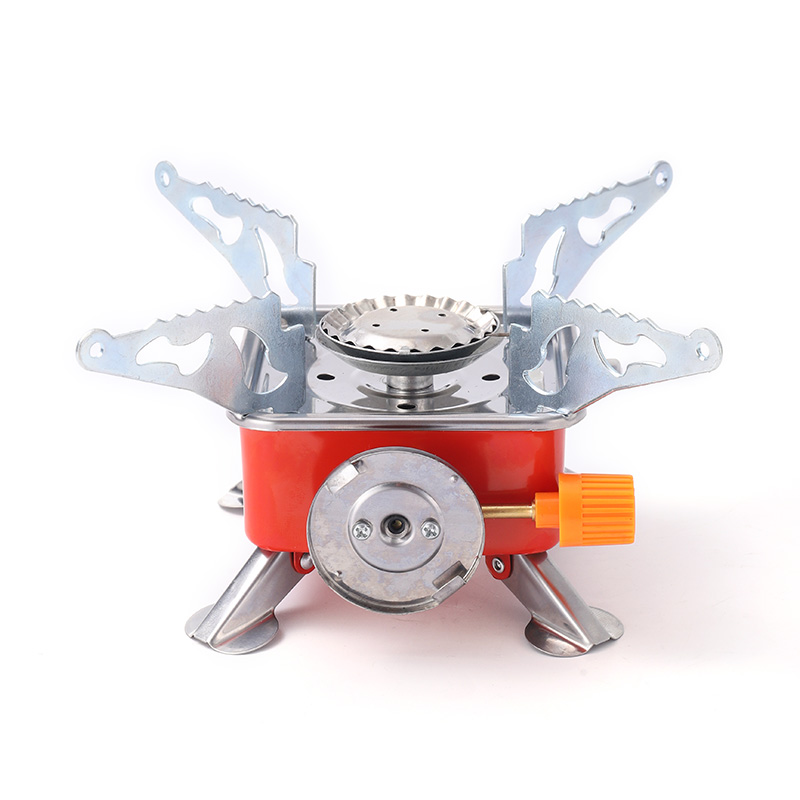
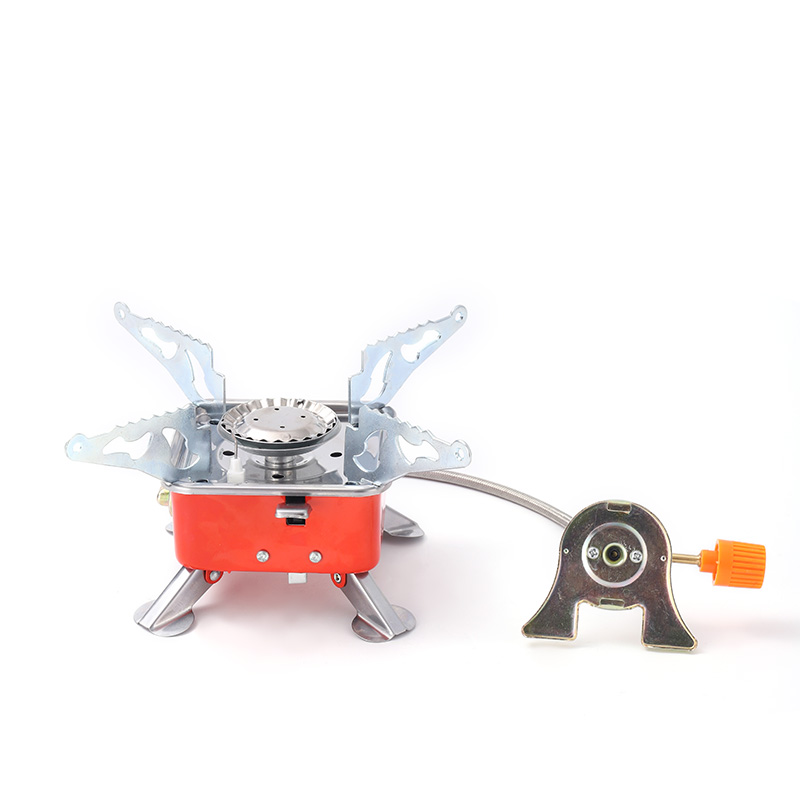
Selecting a new or replacement Butane Torch Head involves an important consideration: compatibility. Not every head will connect to every fuel canister or torch body. Installing an incompatible unit can cause gas leaks, poor performance, or damage to the threads. Therefore, understanding the different connection systems and how to identify the correct one for your equipment is an essential step in any purchase. This guide explains the key factors to ensure a proper and safe fit.
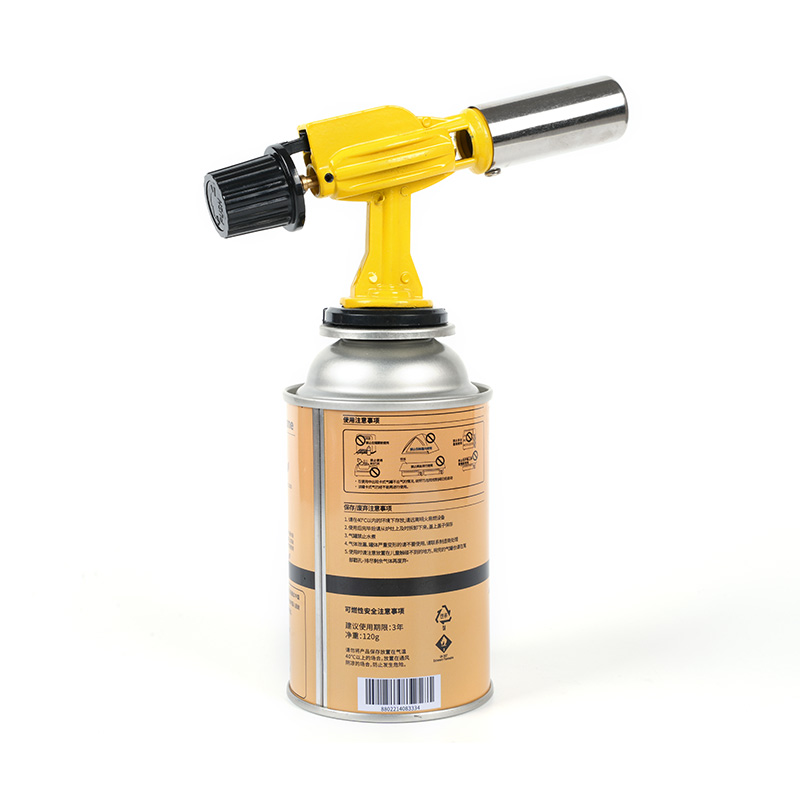
There are two primary design approaches for attaching a Butane Torch Head. The one is a threaded connection. Here, the head screws directly onto the canister or a separate torch handle. Compatibility depends on the specific thread specifications—the diameter, the thread pitch (how close the threads are), and the direction (typically right-handed). A mismatch of even a single millimeter can prevent a proper seal.
The second common type is a bayonet or push-and-twist connection. This system uses alignment lugs and a locking collar instead of threads. The head is pushed onto the base and twisted a quarter-turn to lock into place, often accompanied by a click. This design allows for quicker attachment but is usually proprietary, meaning a head designed for one brand’s bayonet system will not fit another’s. Identifying which system your torch uses is the foundational step.
One of the reliable methods is to consult the documentation that came with your original torch or fuel canister. The manual or specification sheet will often state the connection type or model series. If documentation is unavailable, direct visual and physical inspection is necessary.
For a threaded system, examine the mounting point on your canister or handle. Note if it has external (male) or internal (female) threads. Use a ruler or caliper to measure the outer diameter of male threads or the inner diameter of a female socket. For bayonet systems, look for notches, guide pins, or a rotating locking ring on the mounting base. Taking clear, well-lit photographs of the connection point from multiple angles can be very helpful when comparing to product listings or seeking advice.
Once you have identified your connection type, you must verify that it matches the prospective new torch head. For online purchases, scrutinize product descriptions and images. Look for explicit statements like “fits standard M7 threaded canisters” or “compatible with XYZ-style bayonet mount.” Customer questions and reviews often reveal real-world compatibility experiences. Be cautious of products advertised with very broad compatibility; they may require additional adaptor rings, which can introduce potential leak points.
If purchasing in person, bring your torch base or empty canister to the store to test the physical fit, if possible. The connection should screw on or lock into place smoothly, without cross-threading or excessive force. Once attached, there should be no side-to-side wobble. Before using it with fuel, you can perform a basic seal check with a soapy water solution after connection to check for bubbles, indicating a leak.
Forcing a connection that does not fit is risky. It can strip threads, damage sealing surfaces, and critically, create a path for butane gas to escape, which is a fire hazard. Even a seemingly “close” fit is insufficient; the seal must be precise. When installing a compatible head, ensure the mating surfaces are clean. For threaded connections, a single wrap of approved thread seal tape on the male threads can help ensure a gas-tight seal if recommended for the application. Tighten firmly by hand, then give a slight additional turn with a tool—avoid over-tightening, which can crush seals or distort components.
Taking the time to confirm compatibility protects your safety and investment. A correctly matched Butane Torch Head will attach securely, operate as intended, and provide the controlled heat your projects require. This diligence at the point of selection prevents complications and ensures a smooth, functional setup.

Copyright © Yongkang Aomijia Industry & Trade Co., Ltd. All Rights Reserved.
Lightweight Camping Gas Stove Cookware Factory

 English
 中文简体
中文简体