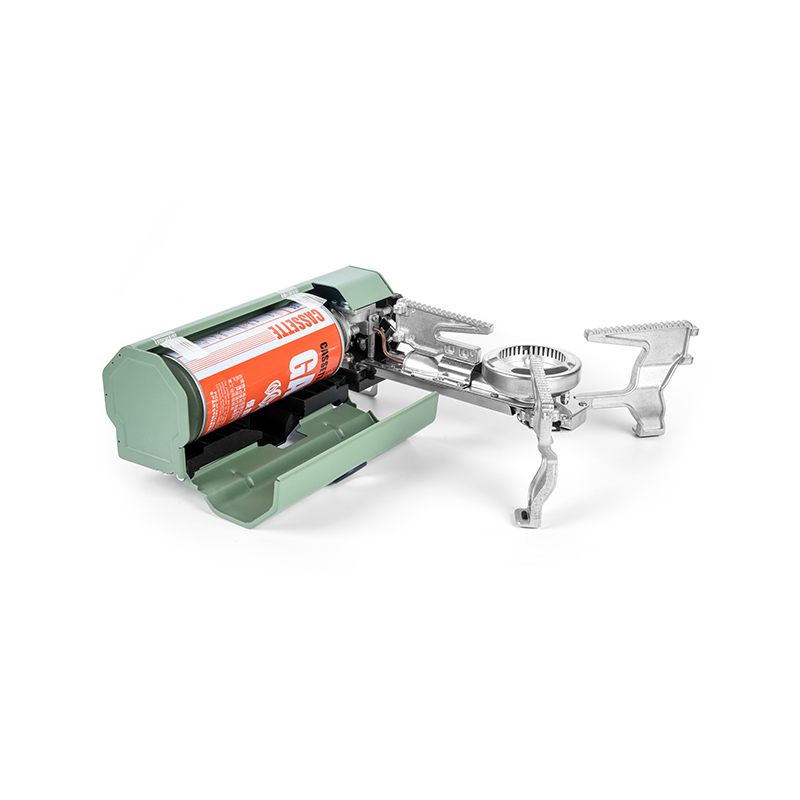
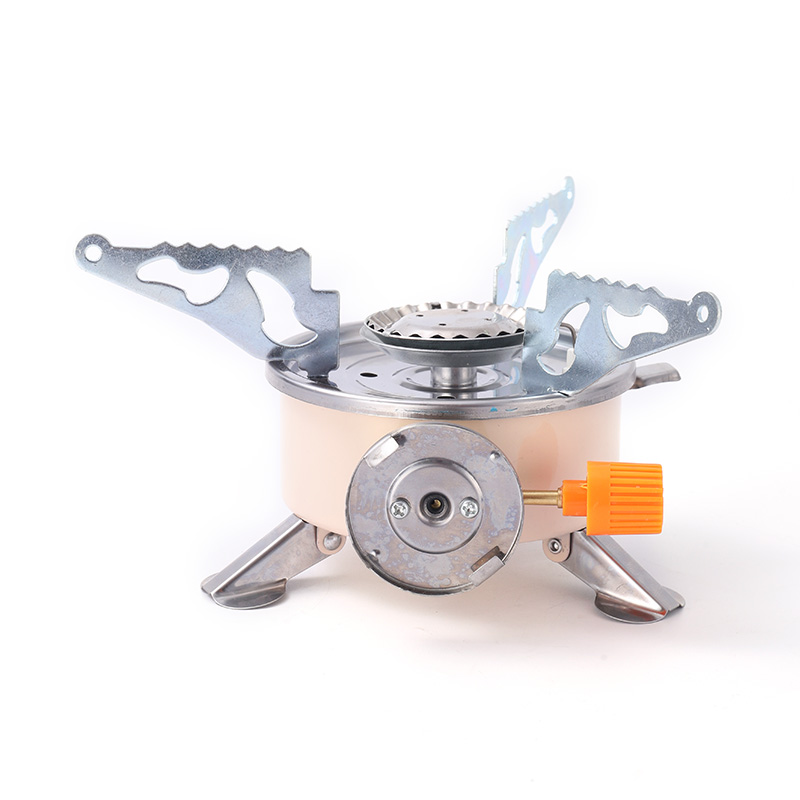
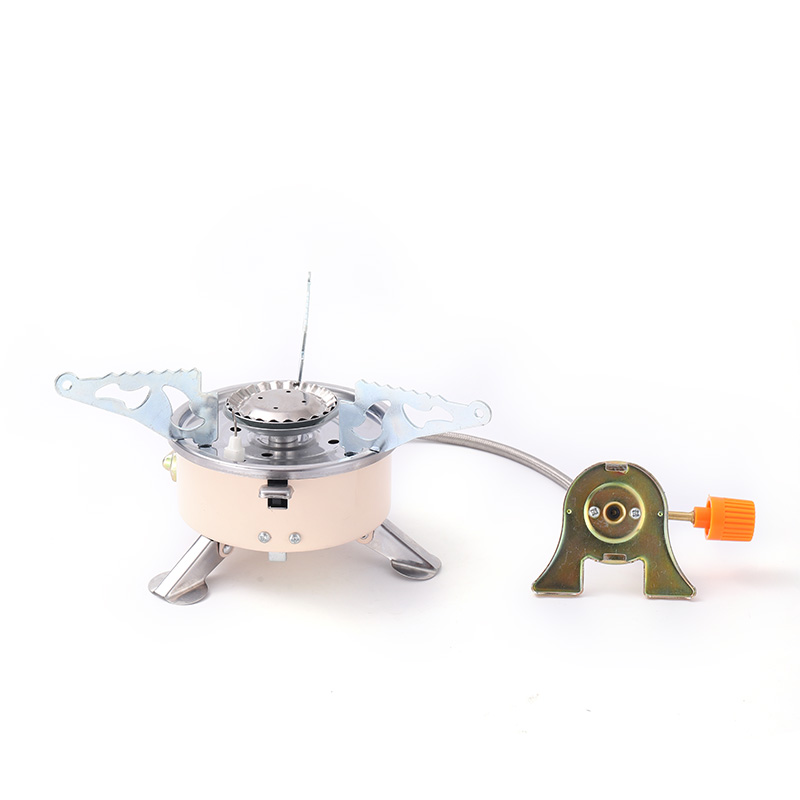
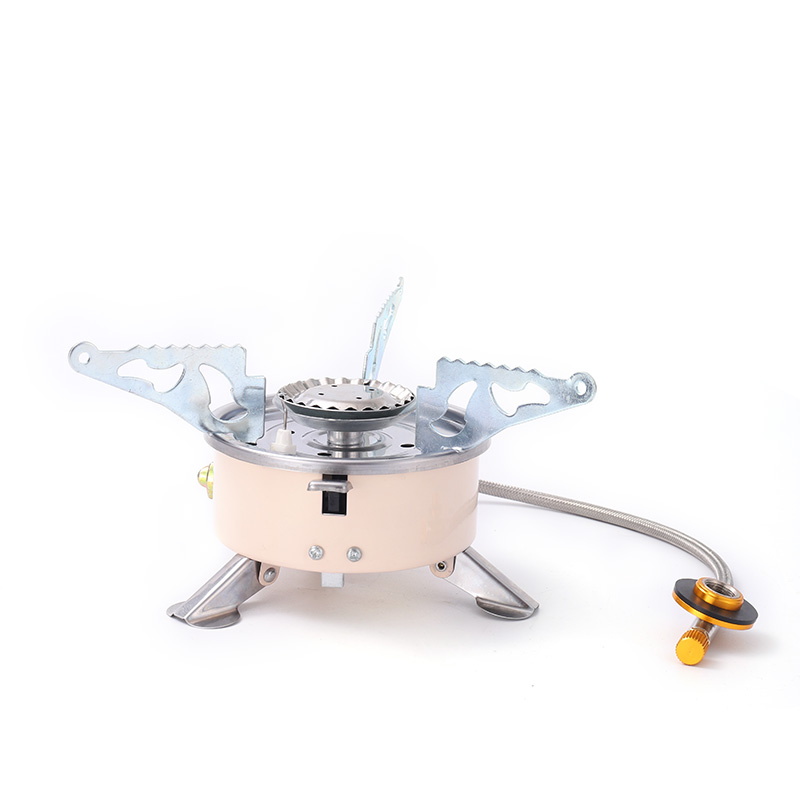
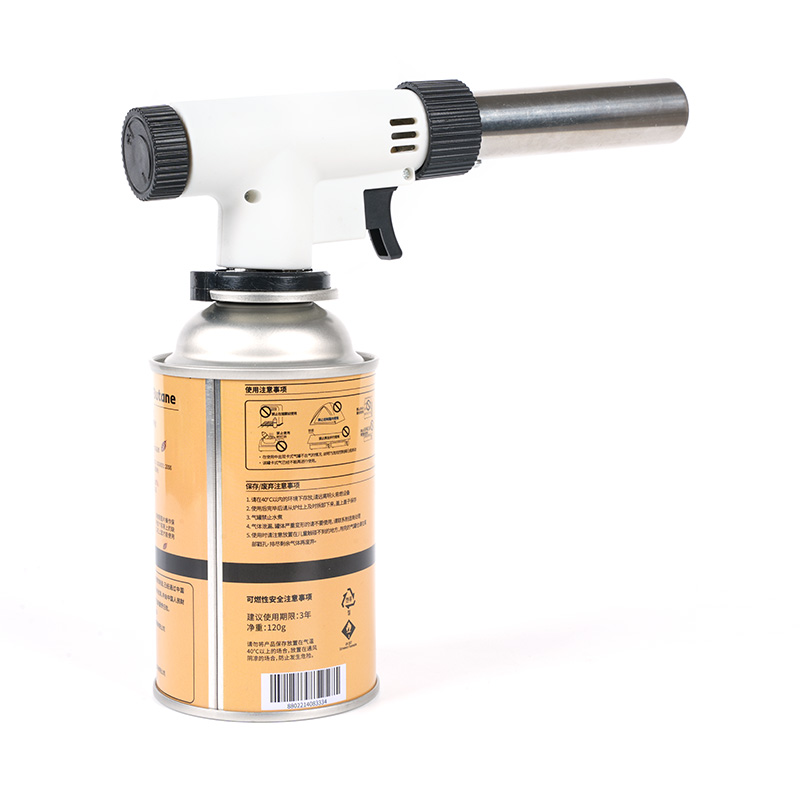
A Butane Torch Head that fails to light or produces a poor flame can halt progress on any project. Troubleshooting these issues effectively requires a calm, systematic approach. Instead of random guesses, following a logical diagnostic path from the lots of common and easily fixed causes to more complex ones is the key to a swift resolution. This guide provides a clear framework to identify and solve problems related to ignition and flame quality.
Begin by clearly identifying the symptom. Is the primary issue a complete failure to produce any flame, or is the flame present but behaving incorrectly? This initial distinction guides the entire troubleshooting path. For a “no flame” situation, the investigation focuses on fuel delivery and spark generation. For a “bad flame,” the focus shifts to the quality of combustion and gas flow.
When there is no flame at all, start with the fuel system. Verify that the butane canister contains adequate fuel. A canister that feels very light is likely empty. Ensure the canister is correctly attached to the torch head; sometimes, an incomplete connection can prevent gas flow. Also, check that any control valves on the torch head are turned to the open position.
If the fuel supply is confirmed, listen carefully when attempting to ignite. Is there a sharp, snapping click? The absence of a clicking sound points to an issue with the igniter mechanism itself. On piezoelectric models, this could mean the mechanism needs replacement. On battery-powered models, check or replace the battery. If the click is present but no flame appears, the spark is not igniting the gas. Inspect the spark gap—the space between the ignition electrode and the nozzle. Clean both components with isopropyl alcohol and ensure the electrode is positioned close enough for the spark to jump to the gas stream.
A flame that ignites but is weak, yellow, or unstable suggests a problem with combustion efficiency. A soft, yellow flame often means insufficient air is mixing with the butane. Locate the air intake ports on the torch head—these are small holes near the base of the nozzle. Blockages here are common. Use a pin or compressed air to ensure these passages are completely clear.
A sputtering, fluttering flame that goes out easily frequently indicates low gas pressure. This is often caused by a nearly empty canister or a canister that has become too cold from rapid, continuous use. Allow the tool to rest and warm up, or switch to a fresh, room-temperature canister. An oversized, blowing, or “lazy” flame can sometimes result from a damaged or misadjusted air shutter, if your model has one, which is letting in too much air.
If basic checks for fuel, cleanliness, and air intake do not resolve the issue, the problem may be internal. A persistent clog deep within the gas jet will require a dedicated cleaning with appropriate tools, as described in maintenance guides. A consistent gas leak at the internal valve, detectable by a faint smell or sound even when the control is off, indicates worn internal seals. Issues like a cracked ceramic insulator around the igniter or a faulty pressure regulator are more complex. At this stage, considering the age and value of the tool, seeking professional repair or replacement might be the lots of practical course of action.
Developing a methodical troubleshooting habit saves time and prevents frustration. Always start with the simplest explanations—empty fuel, dirty contacts, blocked vents—before considering more involved repairs. This structured approach ensures your Butane Torch Head is quickly returned to reliable operation.

Copyright © Yongkang Aomijia Industry & Trade Co., Ltd. All Rights Reserved.
Lightweight Camping Gas Stove Cookware Factory

 English
 中文简体
中文简体