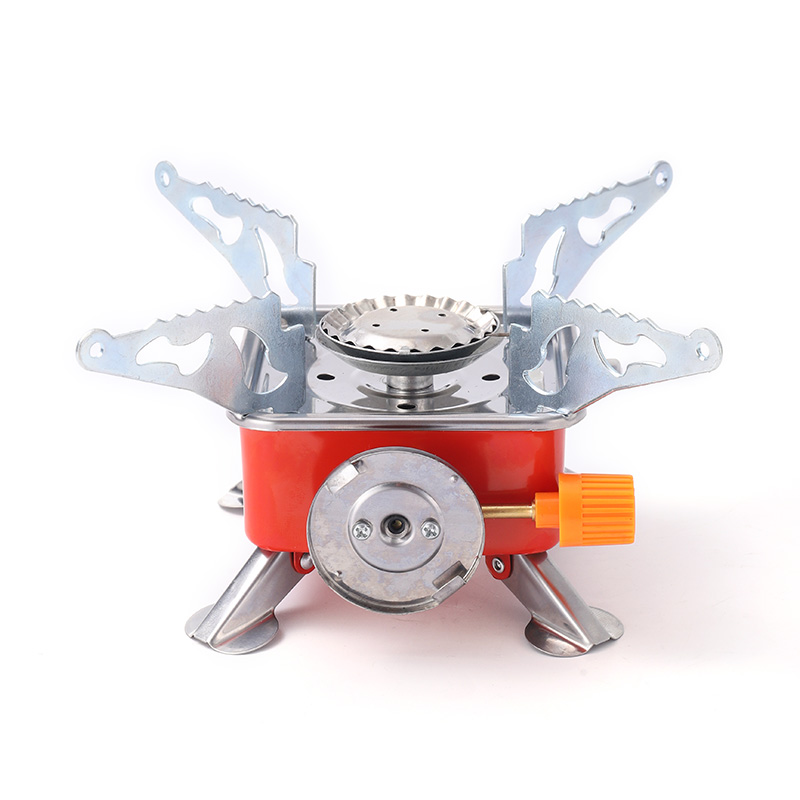
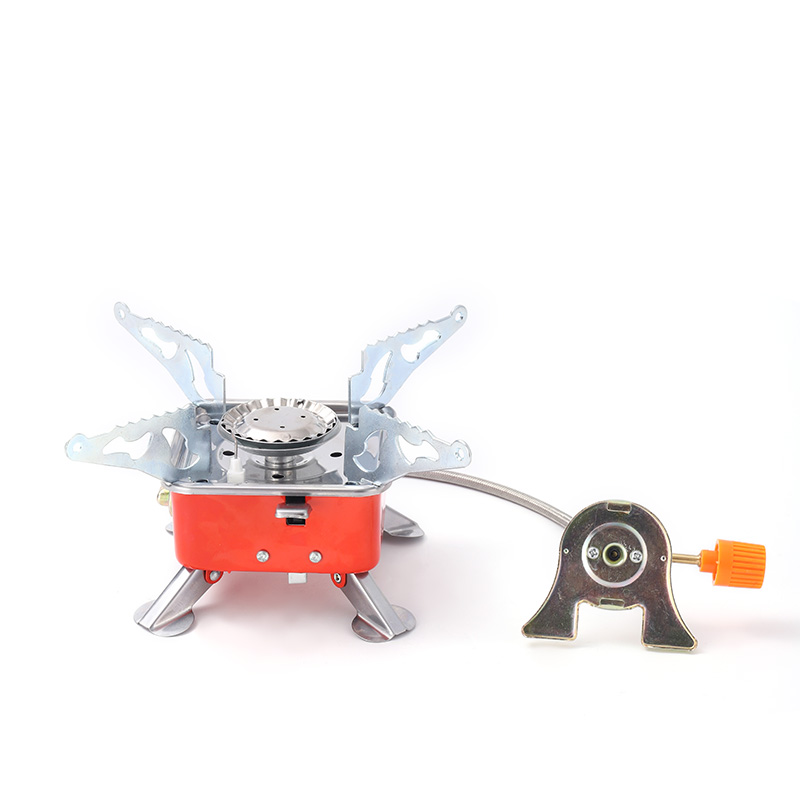
Portable flame tools are widely used in repair, maintenance, and outdoor working environments where stable combustion and fuel efficiency are required. In many real-world applications, the usability of a torch system is not only determined by flame output but also by how well it connects with different fuel sources and maintains stable operation over time.
The Butane Torch Head and High Temperature Butane Torch Head are often evaluated together when users consider fuel compatibility and system integration. Their performance is closely related to how effectively they connect with gas canisters, regulate fuel flow, and maintain consistent combustion under different pressure conditions.
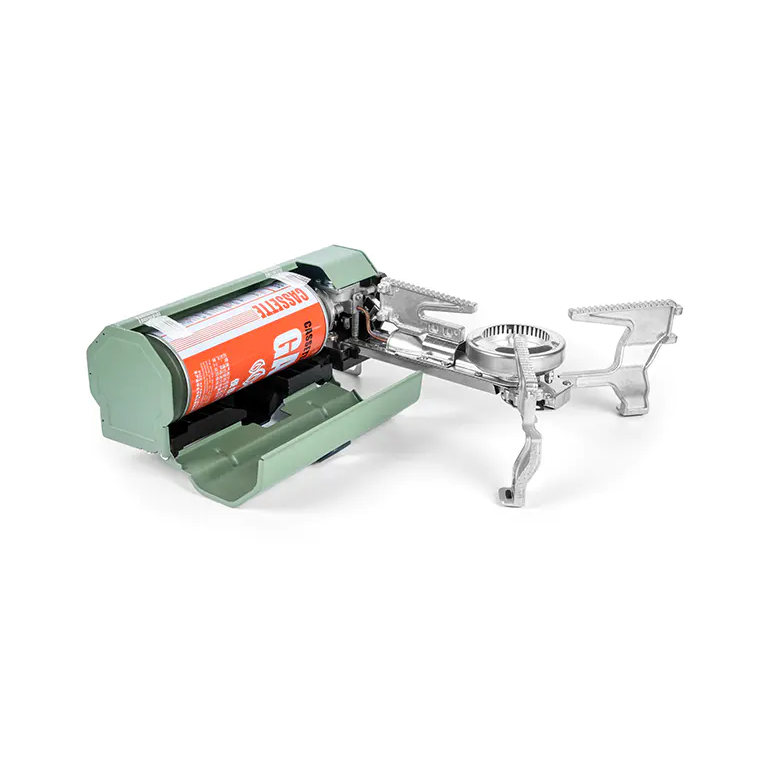
Gas Canister Types and Connection Systems
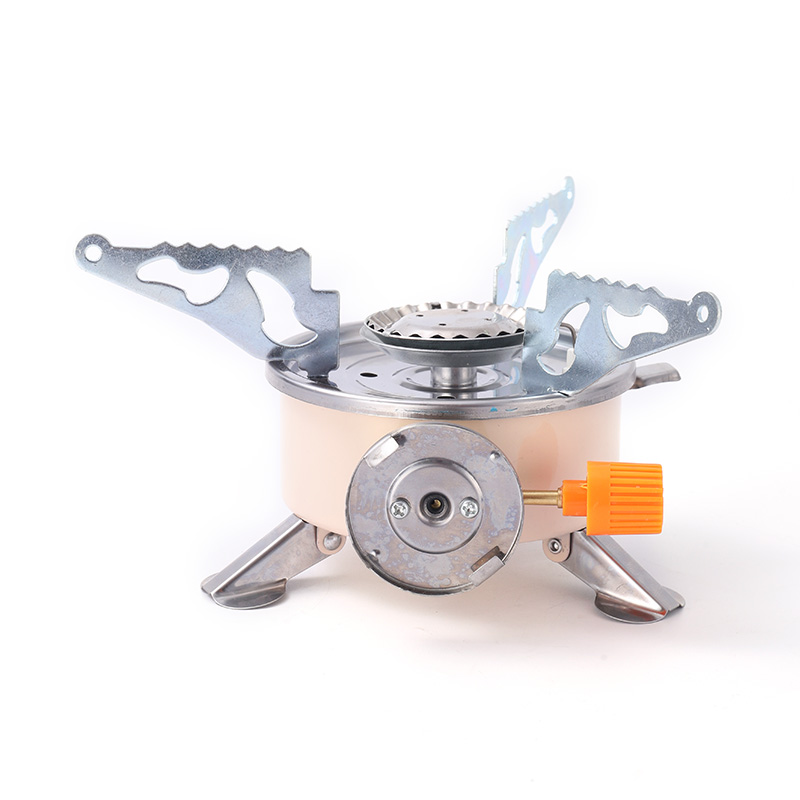
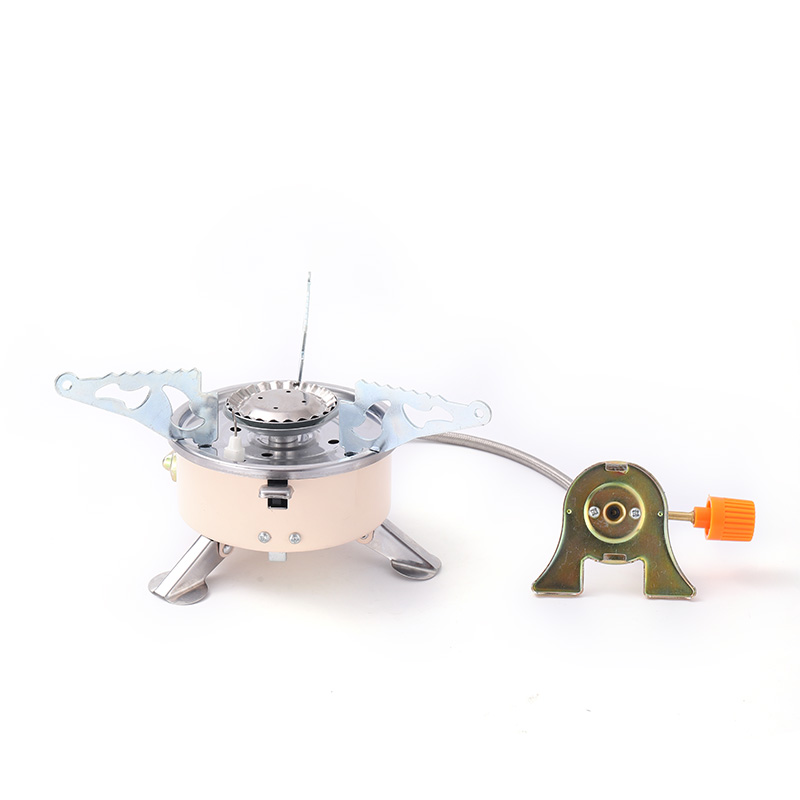
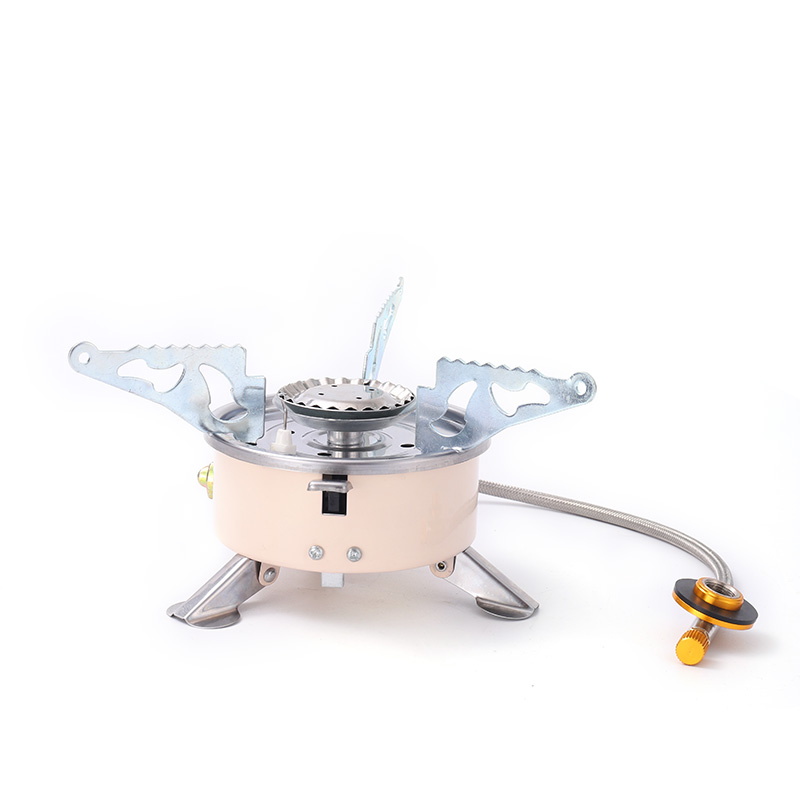
One of the important factors in selecting a torch head is the type of gas canister it supports. Butane fuel systems commonly use cartridge-based containers or threaded gas cylinders, depending on regional standards and application scenarios.
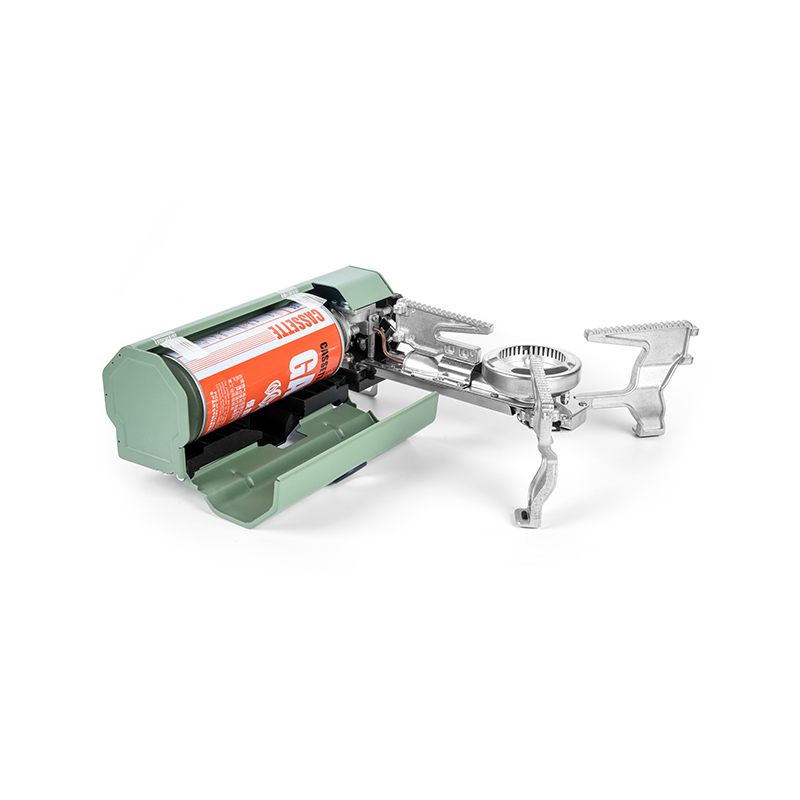
Cassette-style gas cartridges are widely used in portable applications. These systems typically rely on a bayonet-style connection, allowing quick installation and removal. Threaded systems, on the other hand, provide a more secure connection and are often used in applications where a longer operation time is required.
The compatibility between the torch head and the fuel container determines usability. A mismatch in connection type can cause unstable fuel delivery or a complete inability to operate. Because of this, users often prioritize universal compatibility or adapter-supported designs when selecting equipment.
Fuel Flow and Pressure Stability
Fuel delivery stability plays an important role in flame consistency. The Butane Torch Head and High Temperature Butane Torch Head both rely on controlled gas flow to maintain steady combustion. If pressure fluctuates, flame intensity may become unstable, affecting task performance.
In soldering or heating applications, consistent fuel flow ensures that the temperature remains stable throughout operation. Sudden pressure drops may interrupt work progress or uneven heating results. For this reason, internal valve design and fuel regulation structure are important considerations.
High temperature variants generally require higher fuel consumption rates to support stronger flame output. However, efficient fuel regulation helps balance performance and consumption without compromising stability.
Compatibility Challenges in Practical Use
In real-world usage, compatibility issues are among the common concerns. Users may encounter situations where the torch head does not properly fit the gas canister, even if both appear similar in size or structure.
Common issues include:
These challenges often users to seek adaptable designs that support multiple fuel types or include interchangeable adapters.
Universal Design and Adaptation Features
To address compatibility concerns, many torch systems incorporate universal connection structures or multi-standard adapters. These designs aim to support different gas canister formats without requiring multiple separate tools.
The High Temperature Butane Torch Head often integrates reinforced connection components to handle higher pressure demands during operation. A secure connection not only improves safety but also contributes to more stable flame output during extended use.
Adaptation features may include:
These elements help improve usability across different fuel systems and working environments.
Fuel Efficiency Considerations
Fuel efficiency is another key factor in system evaluation. Users often look for tools that can maintain sufficient flame output while reducing unnecessary gas consumption. Efficient fuel usage is especially important in outdoor or continuous-operation scenarios.
The balance between flame strength and fuel consumption depends on internal combustion design and airflow structure. A well-regulated system ensures that fuel is burned effectively without excessive waste.
In high-temperature applications, fuel demand naturally increases due to stronger flame output requirements. However, stable regulation helps maintain consistent performance without rapid depletion of gas supply.
Safety and Sealing Performance
Safety is closely related to fuel system compatibility. Poor sealing or unstable connection points can cause gas leakage, which may affect both performance and user safety.
Key safety considerations include:
The Butane Torch Head and High Temperature Butane Torch Head are often designed with these safety factors in mind to support reliable operation in different environments.
Practical Selection Factors
When selecting a torch system, users often evaluate fuel compatibility alongside intended application. For portable outdoor use, quick connection and easy replacement may be prioritized. For workshop environments, stable threaded systems may be more suitable due to longer operation cycles.
The choice between different torch head designs depends on how frequently the tool is used, the type of gas canister available, and the required flame output level. Compatibility remains a central factor influencing long-term usability.
Both the Butane Torch Head and High Temperature Butane Torch Head are widely applied across multiple working environments where reliable fuel connection and stable combustion are necessary for consistent task execution.

Copyright © Yongkang Aomijia Industry & Trade Co., Ltd. All Rights Reserved.
Lightweight Camping Gas Stove Cookware Factory

 English
 中文简体
中文简体