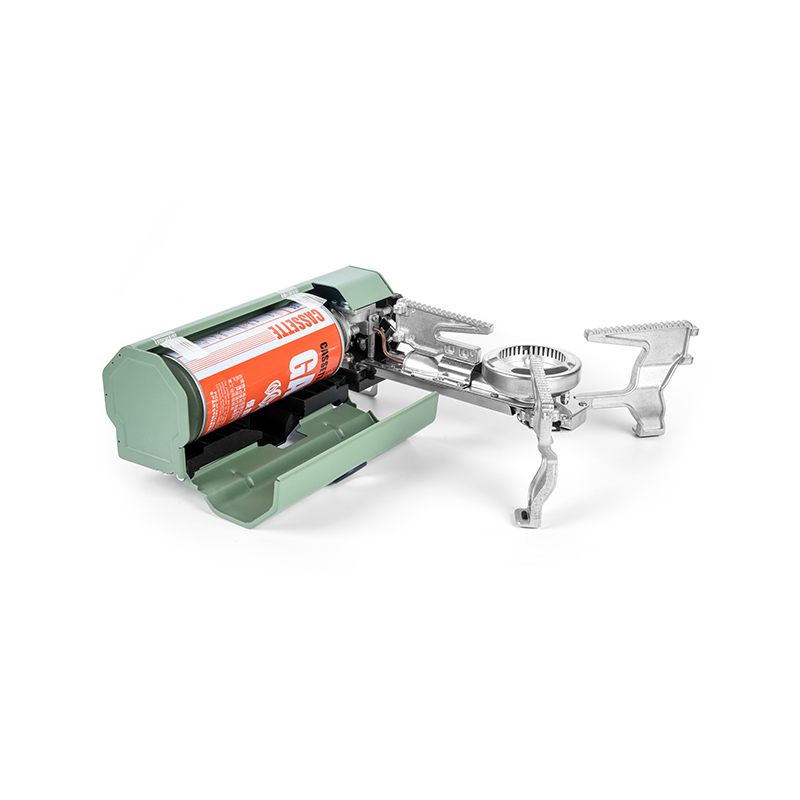
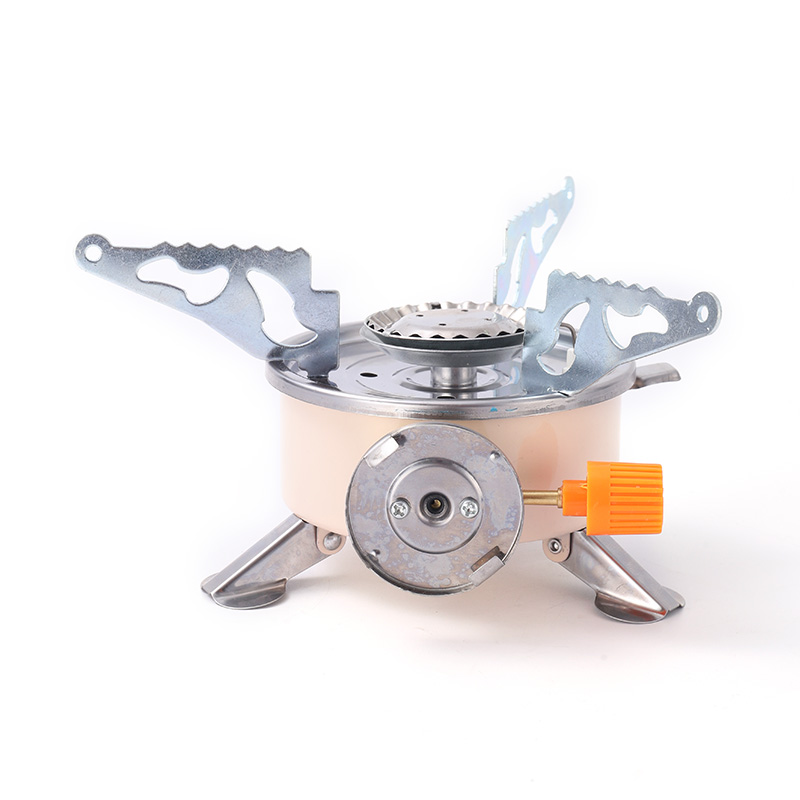
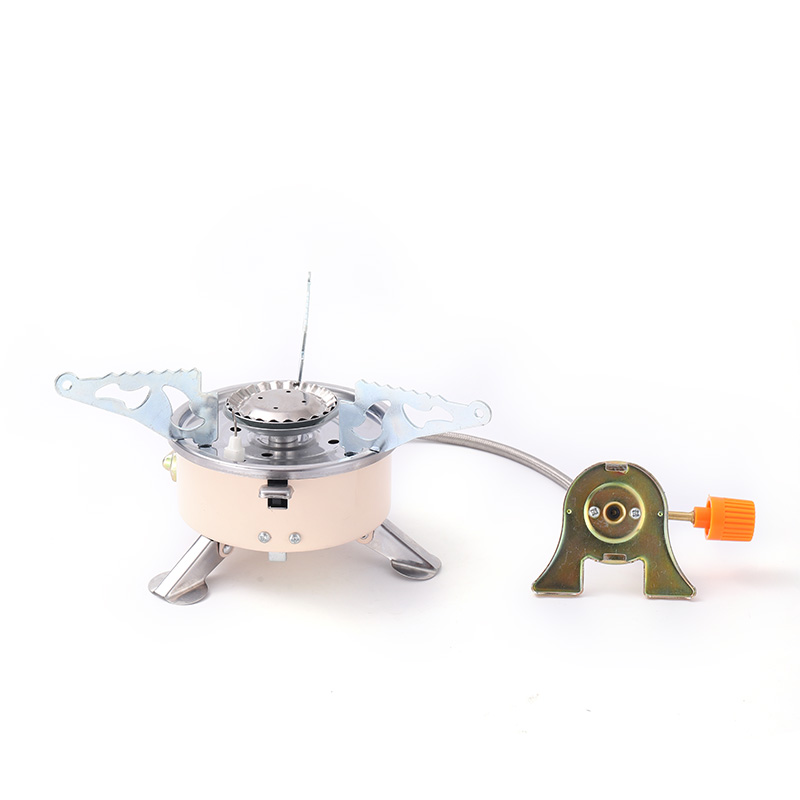
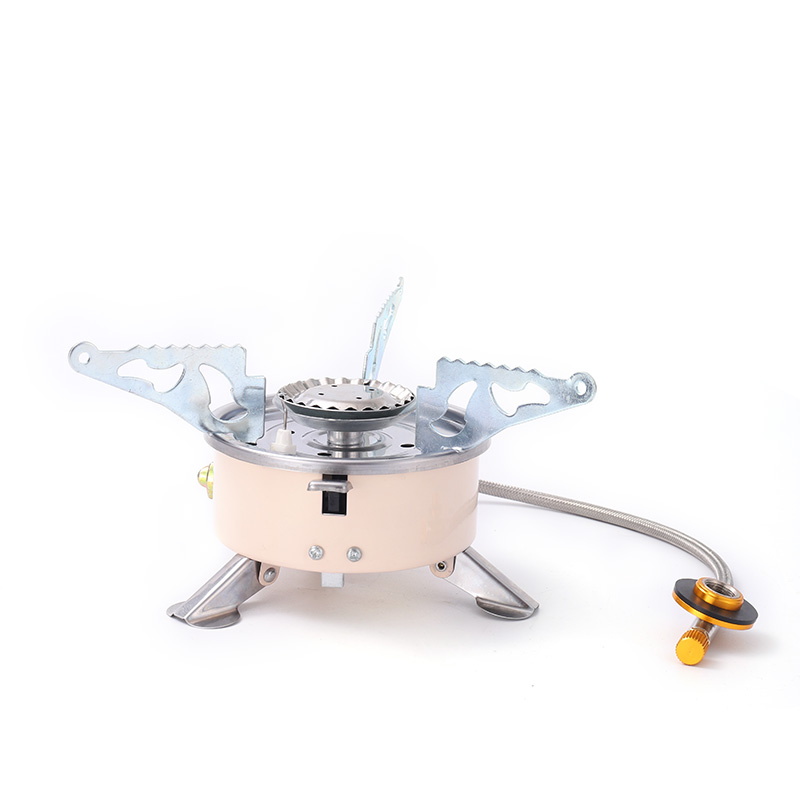
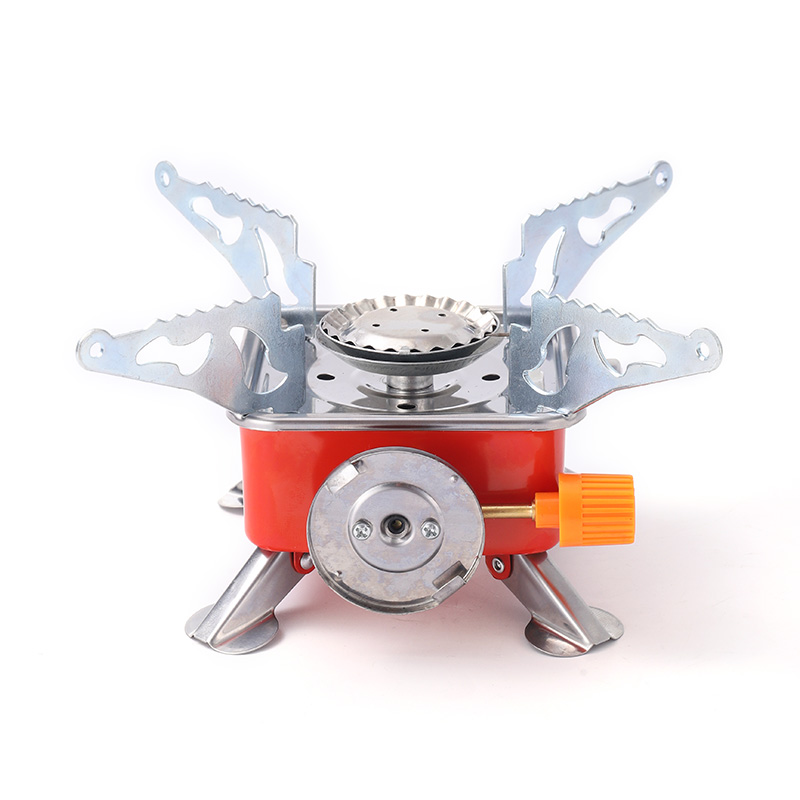
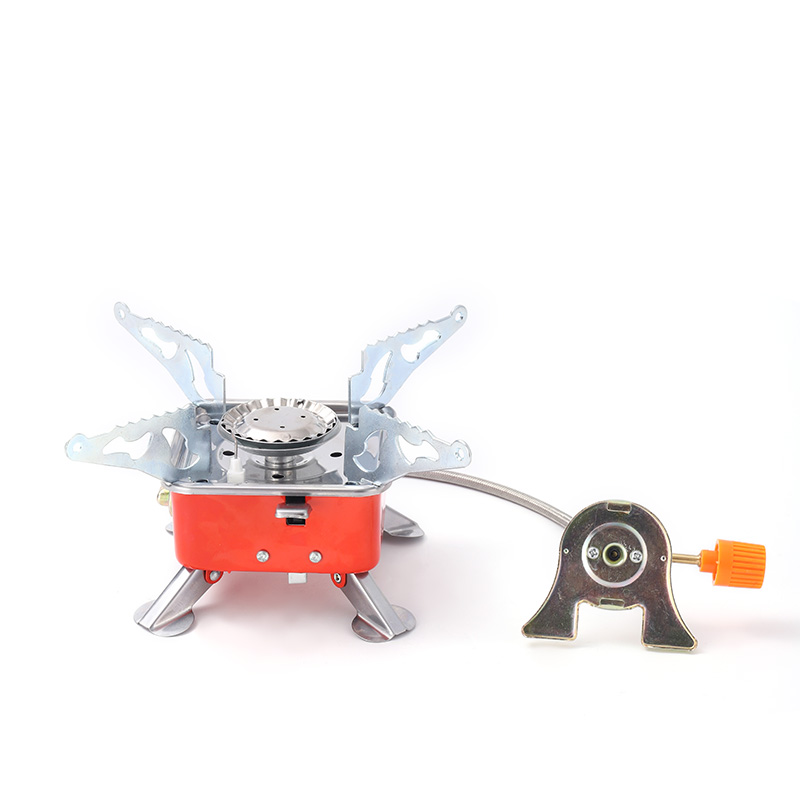
Portable flame tools are widely used in repair work, maintenance tasks, and outdoor environments where controlled heat is required without large heating systems. In many working situations, users rely on compact tools that can provide stable flame output for both precision tasks and general heating purposes.
The Butane Torch Head and High Temperature Butane Torch Head are often selected for their flexibility across different usage scenarios. These tools are commonly associated with adjustable flame behavior, portable structure, and adaptability in environments where electric heating tools are not convenient. Their application range continues to expand across workshop and outdoor settings.
Soldering and Precision Heating Tasks
Soldering remains one of the main applications for butane flame tools. In electronics repair, controlled heating is needed to connect small components without damaging nearby sensitive areas. A stable flame allows users to focus heat on specific points while maintaining surrounding material safety.
In plumbing tasks, soldering is often used for copper pipe connections. The flame must provide consistent heat distribution around the joint to support proper bonding. Jewelry work also depends on precise heat control, especially when working with fine metals that require careful temperature management.
The High Temperature Butane Torch Head is often selected in cases where stronger heat output is needed for faster heating response. However, even in higher temperature applications, flame stability remains important to avoid uneven heating or material stress.
Outdoor Heating and Field Applications
Outdoor environments present different challenges compared to indoor use. Wind, humidity, and ambient temperature can influence flame performance. The Butane Torch Head and High Temperature Butane Torch Head are frequently used in camping, barbecue ignition, and field repair tasks.
In camping scenarios, portable flame tools help start fires or heat small equipment. For barbecue use, they support ignition when a steady flame is required for combustion initiation. In outdoor maintenance work, they provide a convenient heat source for quick repairs.
Wind resistance is an important factor in these environments. A flame that can remain stable under airflow conditions is more practical for field use. Users often prefer tools that maintain ignition consistency without repeated adjustment.
Flame Adjustment and Control Behavior
Flame adjustability plays an important role in task performance. Different applications require different flame sizes and intensity levels. For soldering, a narrow and focused flame is often preferred to concentrate heat on a small area. For outdoor heating, a wider flame may help distribute heat more evenly.
The High Temperature Butane Torch Head is generally associated with higher heat output capability, making it suitable for tasks involving metal heating or stronger thermal requirements. Even so, users still need control over flame shape and intensity to match specific working conditions.
Material Response and Heating Efficiency
Different materials respond differently to heat exposure. Metals such as copper, aluminum, and steel require different heating levels depending on the task. In soldering work, controlled heating helps avoid damage while ensuring proper bonding. In outdoor applications, heating is often applied to cookware, tools, or metal surfaces that require stable thermal exposure.
The structure of the torch head influences how heat is delivered. A concentrated flame focuses energy into a small area, while a broader flame spreads heat across a wider surface. Understanding this difference helps users adjust operation based on task needs.
Usability and Operational Experience
Ease of use is an important factor in portable flame tools. Lightweight design and stable ignition response improve handling during extended operation. In outdoor conditions, tools that are easy to operate reduce complexity when working in changing environments.
Ignition performance is also important. A stable ignition system helps reduce repeated attempts and supports a smoother workflow. In practical use, users prefer tools that respond consistently under different temperature and environmental conditions.
Application Selection Considerations
When selecting between different torch head types, users often evaluate the usage environment, heat requirements, and frequency of operation. Soldering-focused tasks may require more precise flame control, while outdoor tasks may prioritize portability and wind resistance.
The Butane Torch Head and High Temperature Butane Torch Head both serve overlapping but different functional needs. One is more aligned with general-purpose heating tasks, while the other is more suitable for higher heat demand situations. Choosing between them depends on balancing flame behavior, working environment, and material type.
These tools continue to be widely used in both professional and general applications where controlled heating is required in a portable form.

Copyright © Yongkang Aomijia Industry & Trade Co., Ltd. All Rights Reserved.
Lightweight Camping Gas Stove Cookware Factory

 English
 中文简体
中文简体