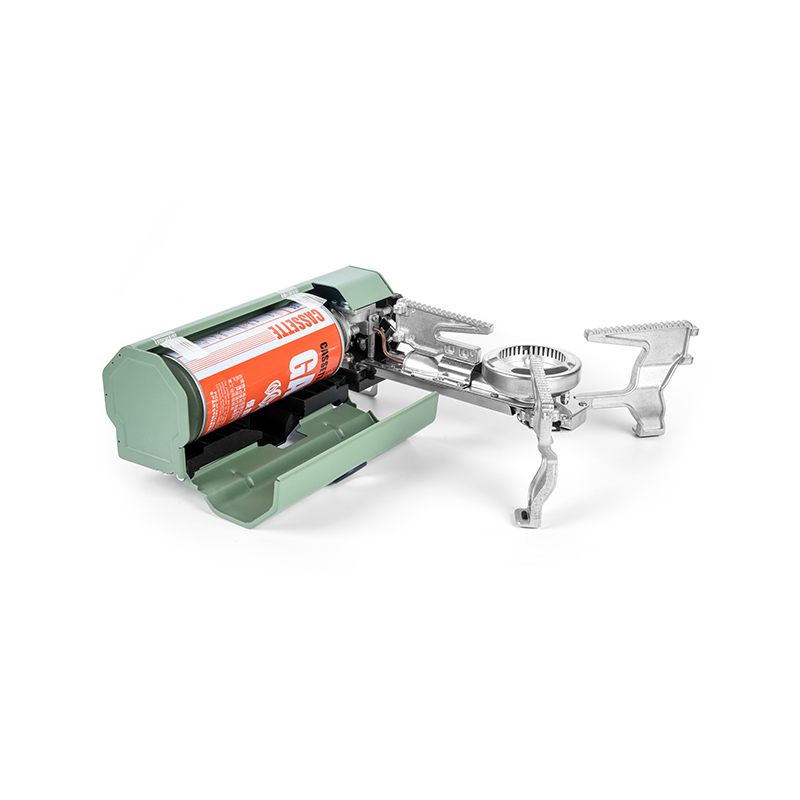
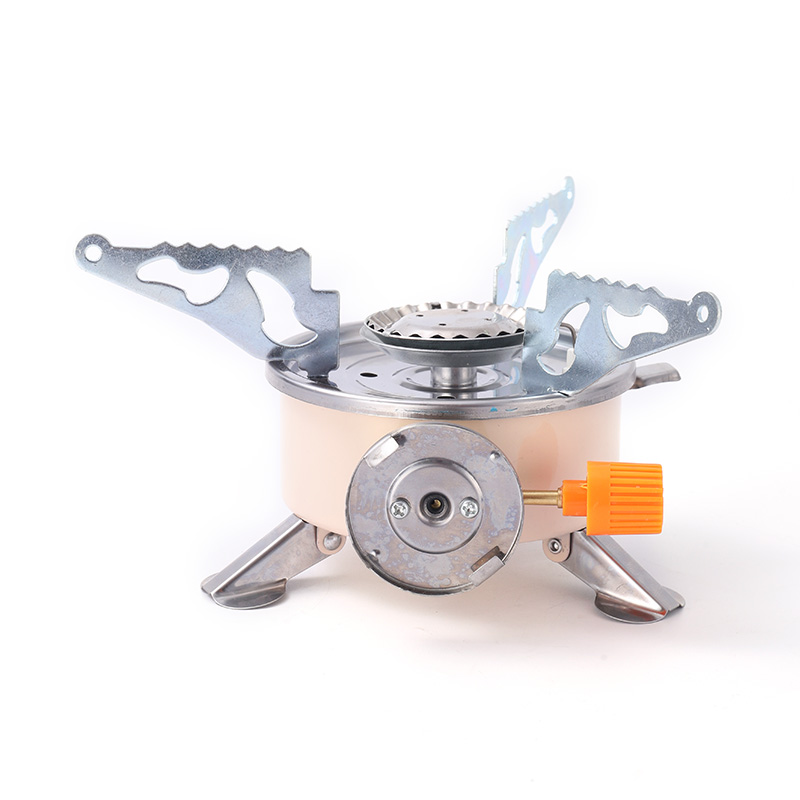
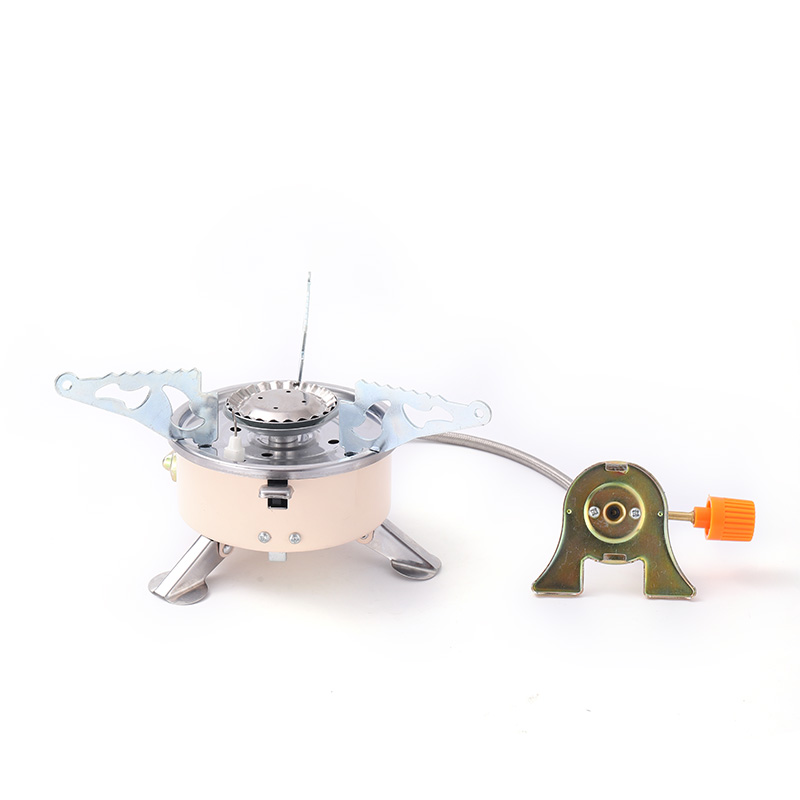
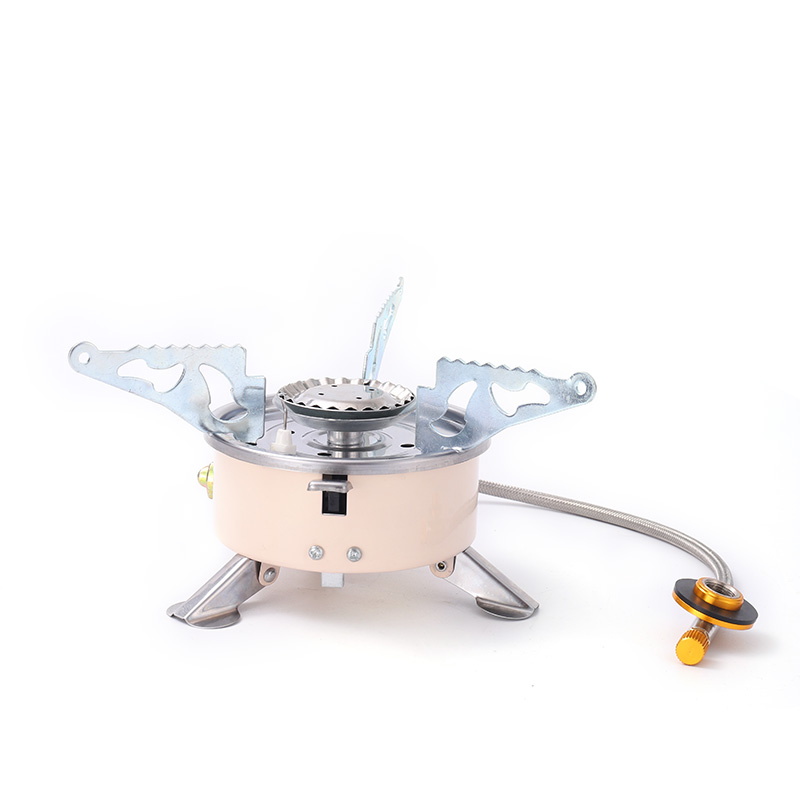
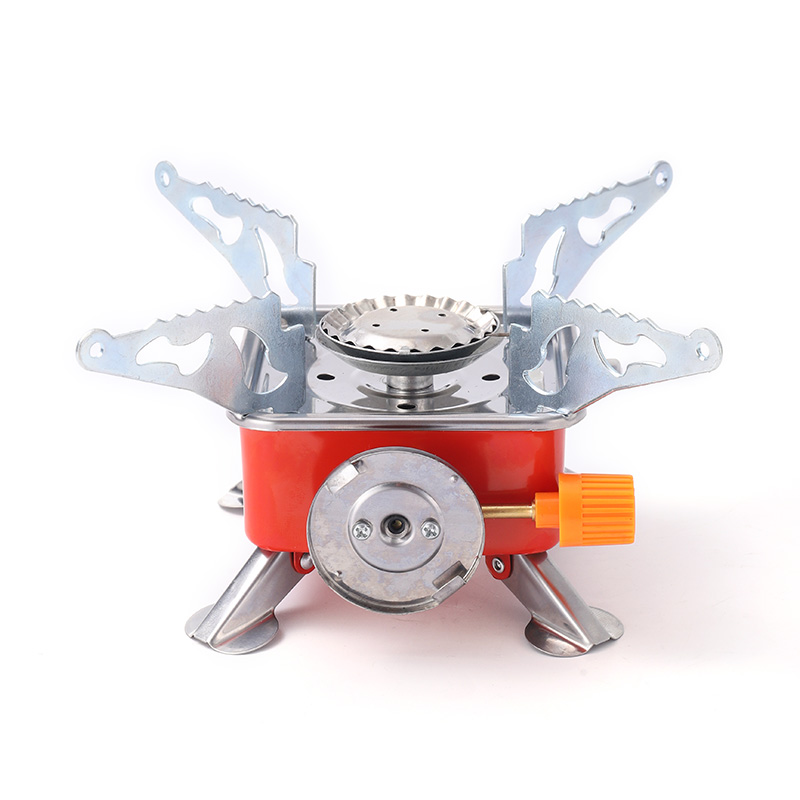
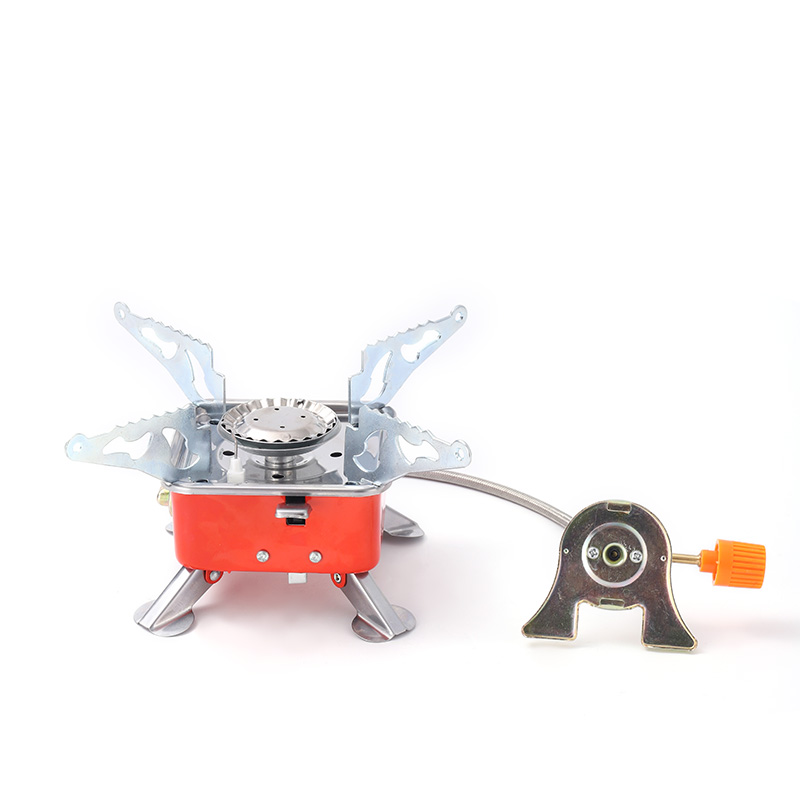
A Butane Torch Head is a compact yet powerful tool that demands respect and understanding to operate effectively. While it brings precise heat to a variety of projects, from culinary arts to jewelry making, its safe use hinges on consistent practices. Mastering a few fundamental routines can prevent accidents and ensure the tool serves you well for a long time. This guide outlines practical steps to integrate safety and care into every use.
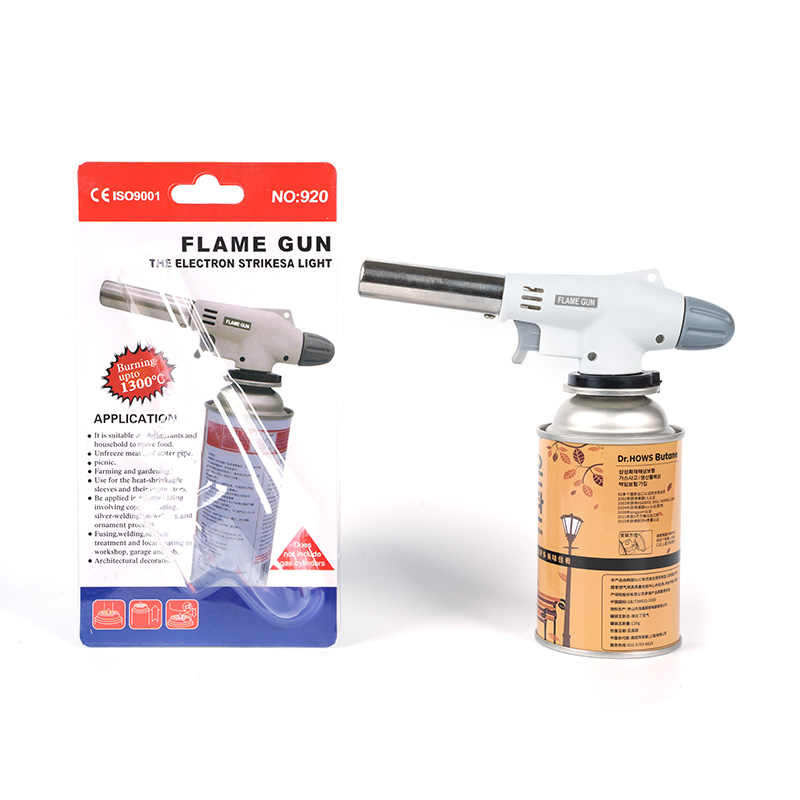
Before igniting the flame, the environment and your preparation set the stage for safety. Always work in a space with good airflow, away from any materials that can catch fire, such as paper, cloth, or solvents. Keep the area clear and stable. Personal protection is non-negotiable; safety glasses shield your eyes from unexpected sparks or debris, and heat-resistant gloves protect your hands from burns and radiant heat.
The sequence of operations is important. To light the tool, one opens the gas valve slightly, then immediately activates the ignition. This order helps prevent a surge of unburned gas. When finishing, close the gas valve completely and allow the flame to extinguish before setting the unit down. Never point the active torch head toward yourself, another person, or anything flammable. After use, place the hot head on a surface designed to withstand heat, like a ceramic tile or a metal stand, to cool.
A brief inspection before each use can identify issues early. Examine the connection between the torch head and the fuel canister for any signs of damage, cracks, or looseness. Ensure the ignition area is free of lint or dust. After the head has cooled completely from use, wipe it with a soft, dry cloth to remove any surface residue or dust that could be drawn into the vents later. This simple habit maintains cleanliness.
Pay close attention to the fuel canister. A sputtering, yellowing flame often indicates the canister is nearly empty or has become too cold from prolonged use. Allow a cold canister to warm to room temperature before continuing. When storing fuel, keep canisters in a cool, dry place, away from direct sunlight and heat sources. Securely attaching and detaching the canister according to the manufacturer's instructions preserves the integrity of the seal.
Over time, even with good aftercare, the nozzle may accumulate minute deposits that affect performance. Signs that a deeper clean is needed include difficulty igniting, an uneven flame pattern, or a flame that appears weaker than usual. For cleaning, use tools that match the delicacy of the nozzle. A thin, soft wire or a set of brass cleaning pins, which are less likely to scratch than steel, are suitable choices.
To clean, one makes certain the torch head is disconnected from any fuel source and is at room temperature. Gently insert the chosen cleaning tool into the main nozzle orifice. Use a careful, probing motion to dislodge any soft obstructions—avoid applying force that could alter the shape of the opening. Following this, a short burst of compressed air can help clear out any loosened particles from the internal passages. For storage periods longer than a few weeks, it is advisable to perform this cleaning, ensure the unit is dry, and then place it in a protective case or its original packaging in a dry location.
Integrating these practices transforms safety from a list of rules into a natural part of your workflow. A Butane Torch Head that is properly used, regularly checked, and kept clean is not only a safer tool but also a more reliable and effective one. This proactive approach to maintenance supports consistent performance project after project.

Copyright © Yongkang Aomijia Industry & Trade Co., Ltd. All Rights Reserved.
Lightweight Camping Gas Stove Cookware Factory

 English
 中文简体
中文简体