Encountering issues with your Butane Torch Head can disrupt your work. The tool may fail to ignite, produce a weak flame, or behave unpredictably. These problems, while frustrating, often have straightforward causes and solutions. Understanding how to diagnose and address these common failures can restore function quickly and save time. This guide walks through typical symptoms and the practical steps to resolve them.
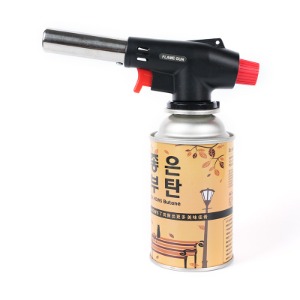
A frequent issue is hearing the clicking sound of the igniter but seeing no flame. The one and simplest check is the fuel supply. Ensure the canister is not empty and that it is firmly and correctly screwed onto the torch head. The valve on the canister or the head itself must be in the open position.
If fuel is confirmed, the next focus is the ignition system. The clicking sound means the spark mechanism is activating, but the spark may not be reaching the gas. Look at the ignition area, usually a small needle near the nozzle. This area can become coated with residue. Using a cotton swab with a small amount of isopropyl alcohol, carefully clean around the ignition needle and the nozzle tip. Ensure the needle is properly aligned and close to the gas outlet, as a bent or distant needle can prevent ignition.
A flame that is small, yellow, orange, or flickers erratically indicates an issue with combustion. Often, this is due to the fuel canister becoming too cold from continuous use, which reduces internal pressure and gas flow. The solution is to pause the operation and allow the canister to warm up naturally. Using a larger canister can also mitigate this cooling effect.
Another common cause is an imbalance in the fuel-to-air mixture. The torch head has small air intake vents that mix air with butane for a clean, hot flame. If these vents are blocked by dust or debris, the mixture becomes fuel-rich, resulting in a sooty, yellow flame. Inspect the head for these small openings—often located around the base of the nozzle—and clear them using a pin or compressed air.
A more persistent problem is a clog within the nozzle itself, which can cause the flame to split, spray unevenly, or produce black smoke. This is typically caused by carbon buildup from regular use. To address this, the nozzle requires careful cleaning. After the head is cool and disconnected from fuel, use a specialized cleaning pin or a soft-bristle tool designed for torch tips. Gently work the tool into the nozzle opening to break up the deposits. Avoid using hard steel pins or excessive force, which can damage the precise internal geometry of the nozzle. Following mechanical cleaning, use compressed air to blow out any dislodged particles.
A smell of gas or a hissing sound near the connection between the head and canister signals a leak. This is a serious issue that must be addressed immediately in a well-ventilated area, away from any ignition sources. First, try tightening the connection by hand. If the smell persists, the seal is likely compromised. The connection uses a small rubber or fiber washer to create a tight seal. Over time, this washer can become flattened, cracked, or lost. Replacing this washer with a new one of the same size and material will typically restore a secure, leak-free connection.
By methodically checking these common points—fuel supply, ignition cleanliness, air intake, nozzle condition, and connection seals—you can troubleshoot many operational issues. Regular maintenance focused on these areas can prevent many problems from occurring in one place, ensuring your Butane Torch Head remains a dependable tool.

Copyright © Yongkang Aomijia Industry & Trade Co., Ltd. All Rights Reserved.
Lightweight Camping Gas Stove Cookware Factory

 English
 中文简体
中文简体