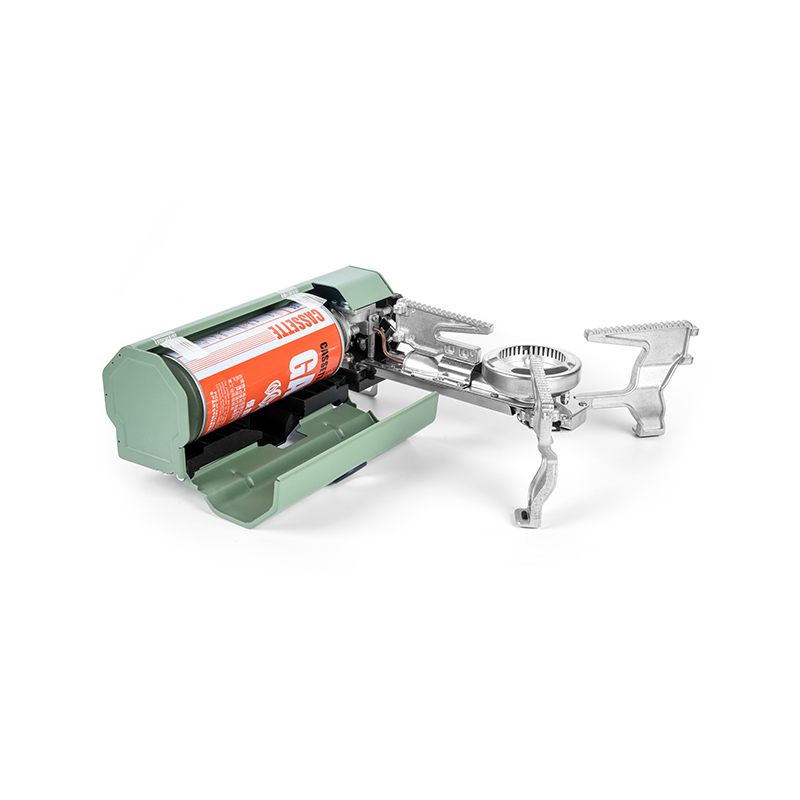
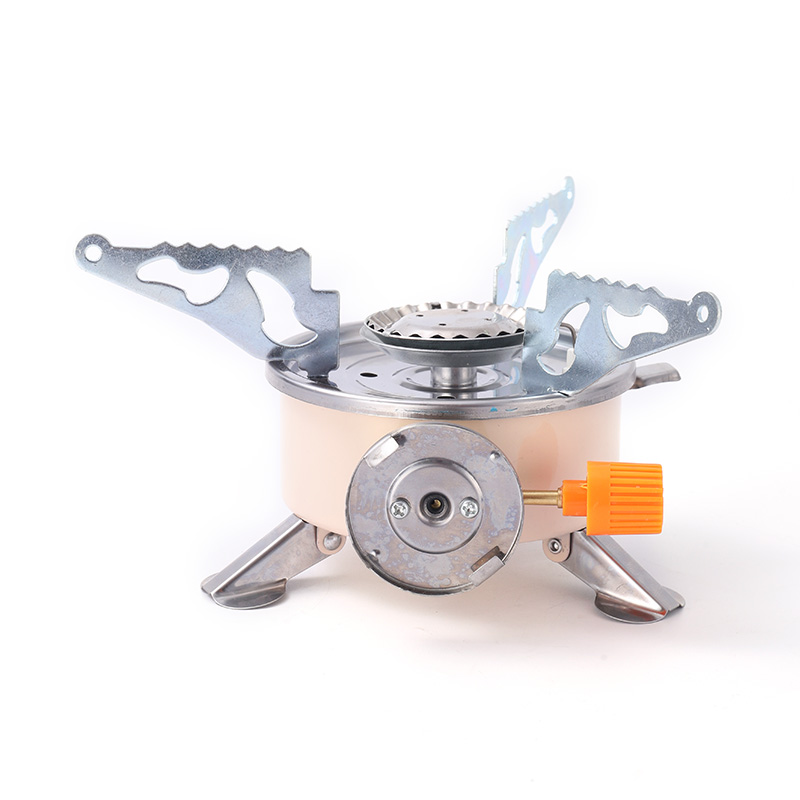
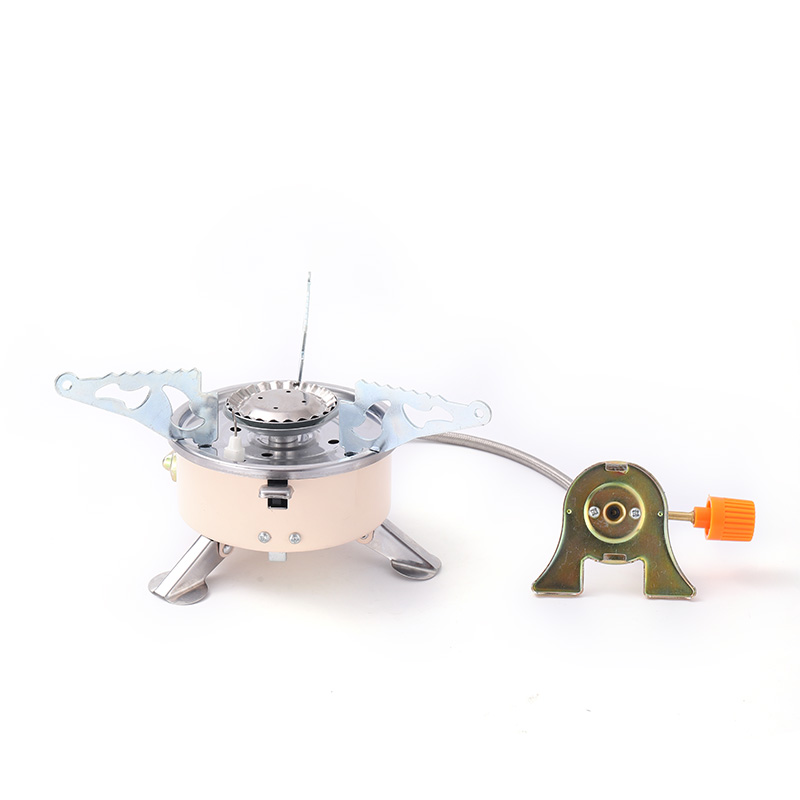
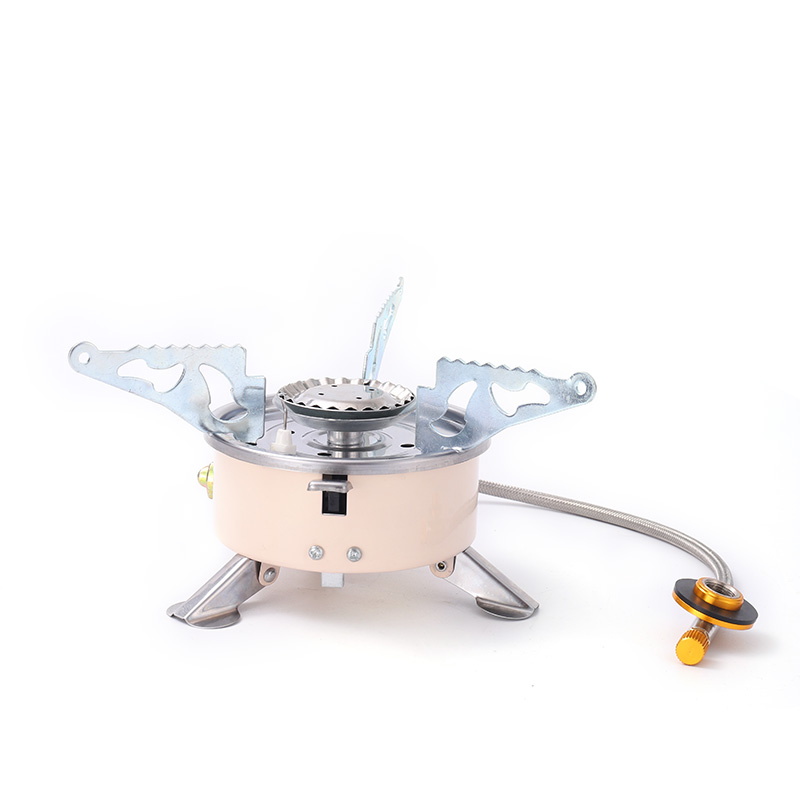
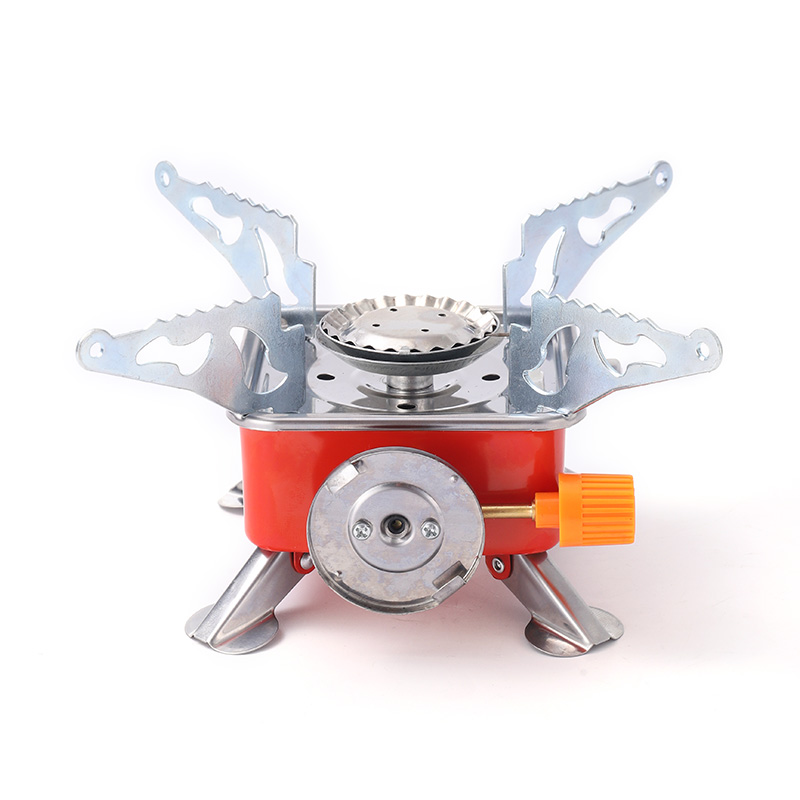
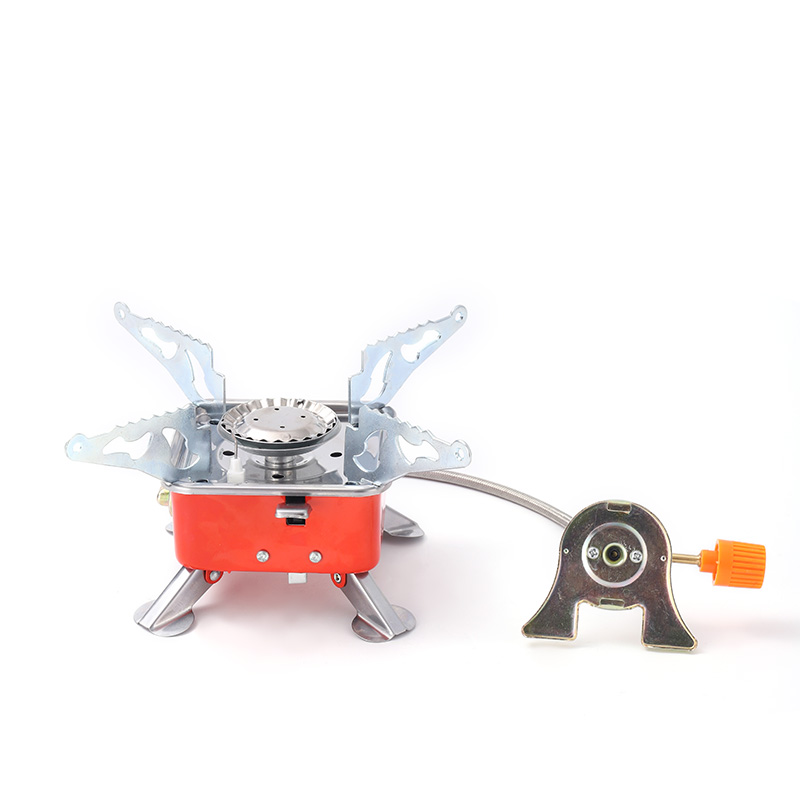
For outdoor cookware buyers, reducing pack weight is only part of the product equation. A pot that is easy to carry but difficult to control over a compact stove can quickly become frustrating in real outdoor use. This has made heat management, cooking consistency, and ease of handling important considerations when developing Lightweight Camping Cookware for backpacking and recreational camping markets. Manufacturers are increasingly evaluating the complete cooking experience rather than focusing on weight alone.
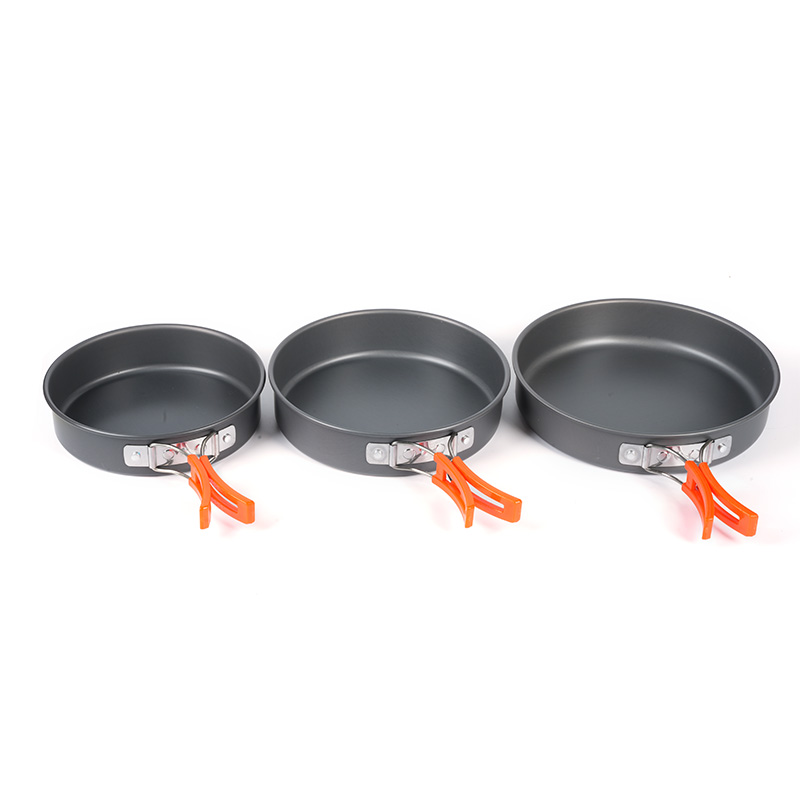
Different cookware materials respond differently to concentrated stove flames. Aluminum transfers heat more readily across the base, which can make it suitable for simmering and preparing meals that require more than simple boiling. Titanium offers a useful weight advantage but transfers heat less evenly, so users need greater control over flame intensity.
For manufacturers, material selection should therefore reflect the intended cooking method instead of being based solely on weight targets.
A backpacker who mainly boils water has different requirements from a camper preparing pasta, rice, vegetables, or one-pot meals. This distinction can guide cookware thickness, base construction, surface treatment, and handle design.
Useful product segmentation can include:
Clear segmentation also helps distributors create product ranges for different customer groups without making every model overly complicated.
The base is one of the important areas to consider when designing portable cookware. A compact burner concentrates heat into a relatively small area, which can produce uneven cooking if the cookware is not designed for the intended stove configuration.
A carefully engineered base can improve practical heat response while maintaining a manageable product weight. For OEM and private-label projects, manufacturers can evaluate base geometry together with material selection instead of treating them as separate design decisions.
Lightweight cookware often uses folding or detachable handles to reduce packed volume. However, weight reduction should not make the handle difficult to grip or operate.
Manufacturers should pay attention to:
These details have a direct effect on usability and can influence product reviews after purchase.
Outdoor users often have limited access to water and cleaning facilities. Cookware that is difficult to clean can become less convenient during multi-day trips. Surface treatment should therefore be selected according to the intended cooking tasks and cleaning conditions.
For buyers sourcing lightweight camping cookware sets, specifications covering surface finish, cleaning guidance, heat-source compatibility, and care requirements can make product comparisons more practical.
Laboratory inspection alone cannot represent every outdoor cooking scenario. Manufacturers can evaluate cookware through practical tests involving compact burners, repeated heating cycles, handle operation, nesting, and cleaning.
Field-oriented testing helps identify issues such as loose components, unstable lids, difficult-to-fold handles, or uneven cooking behavior before products reach the market. This approach also gives B2B buyers clearer information for product development and quality control.
The direction of Lightweight Camping Cookware is moving beyond simple weight reduction. Buyers need products that balance portability with heat control, handling, cleaning, storage, and cooking requirements. By matching materials and structural details to specific outdoor applications, manufacturers can create cookware that is easier to use in real conditions while giving retailers and private-label brands a clearer product proposition.

Copyright © Yongkang Aomijia Industry & Trade Co., Ltd. All Rights Reserved.
Lightweight Camping Gas Stove Cookware Factory

 English
 中文简体
中文简体