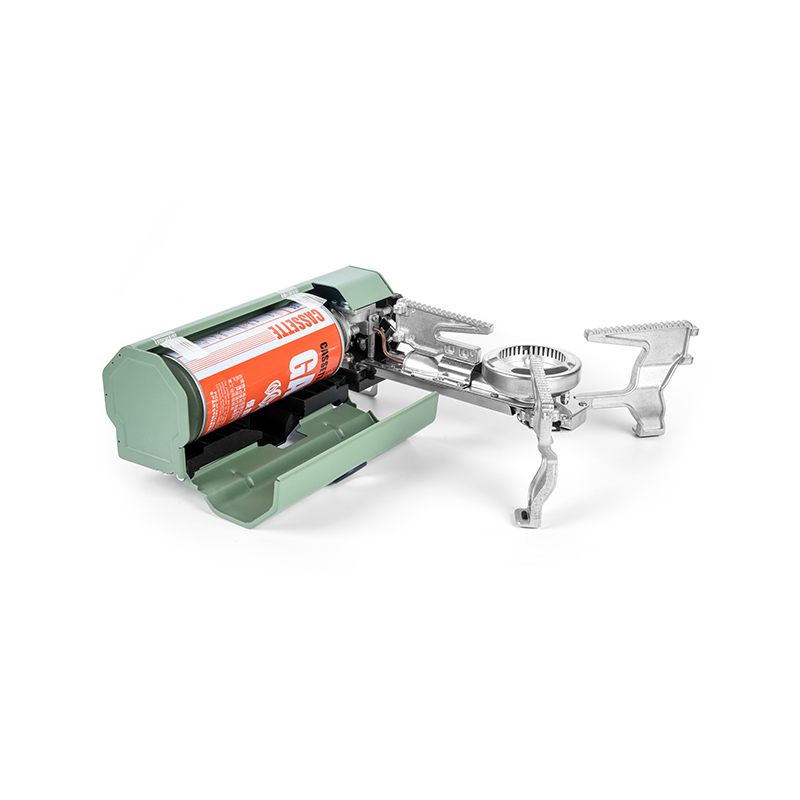
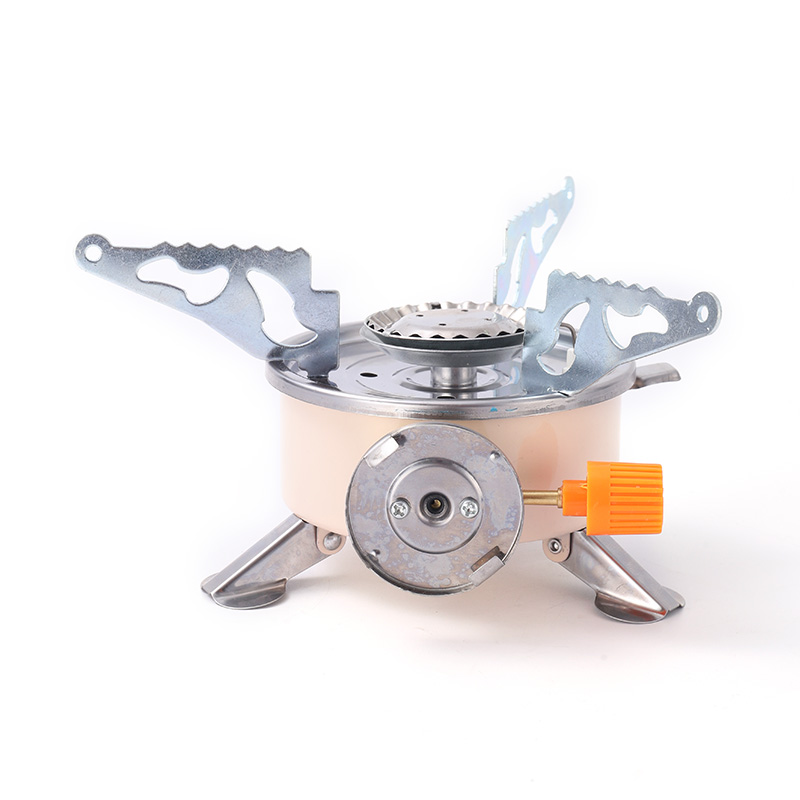
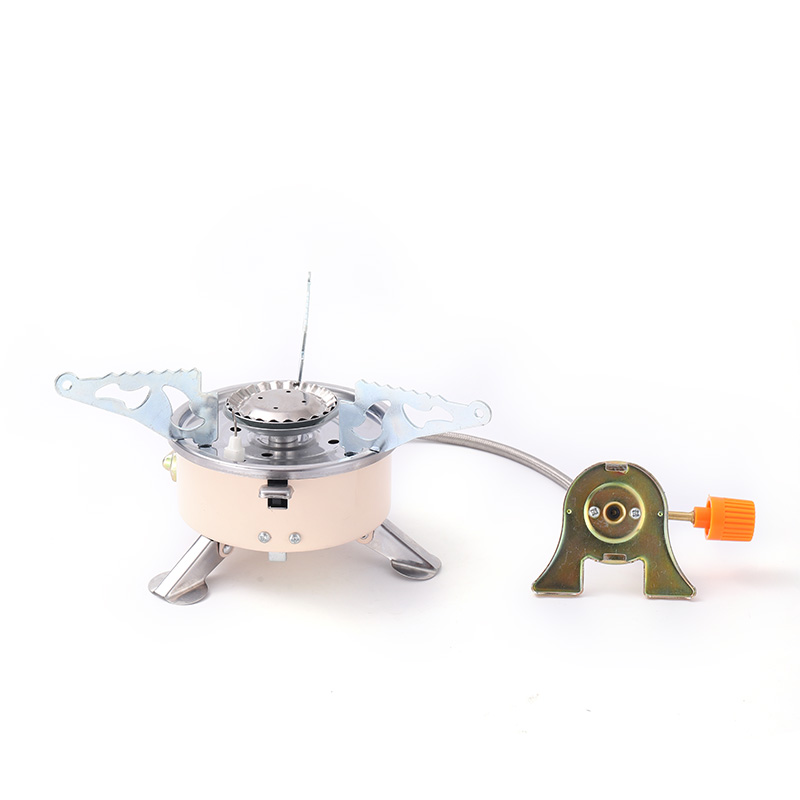
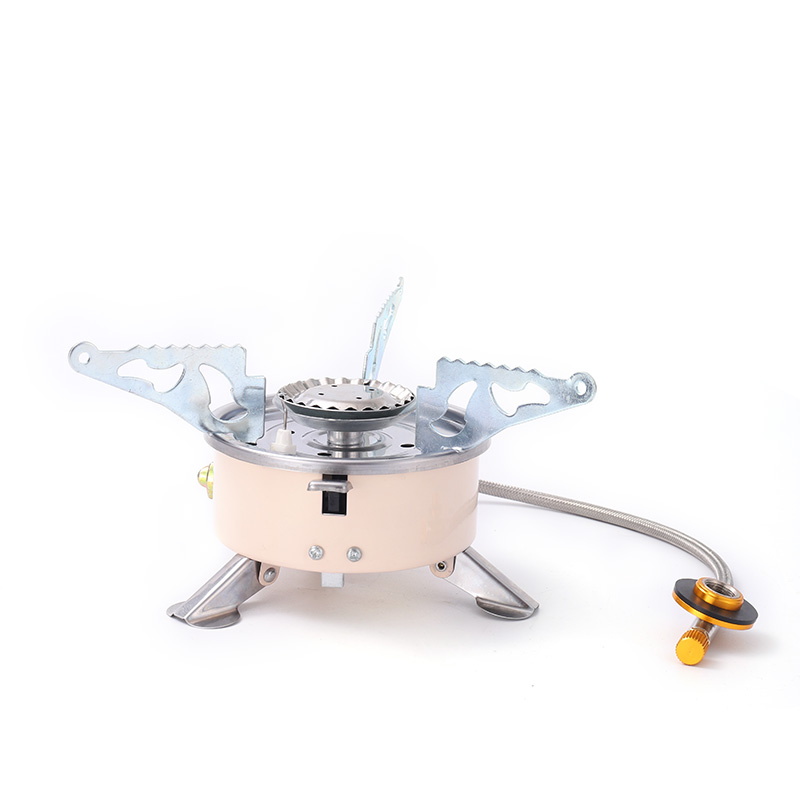
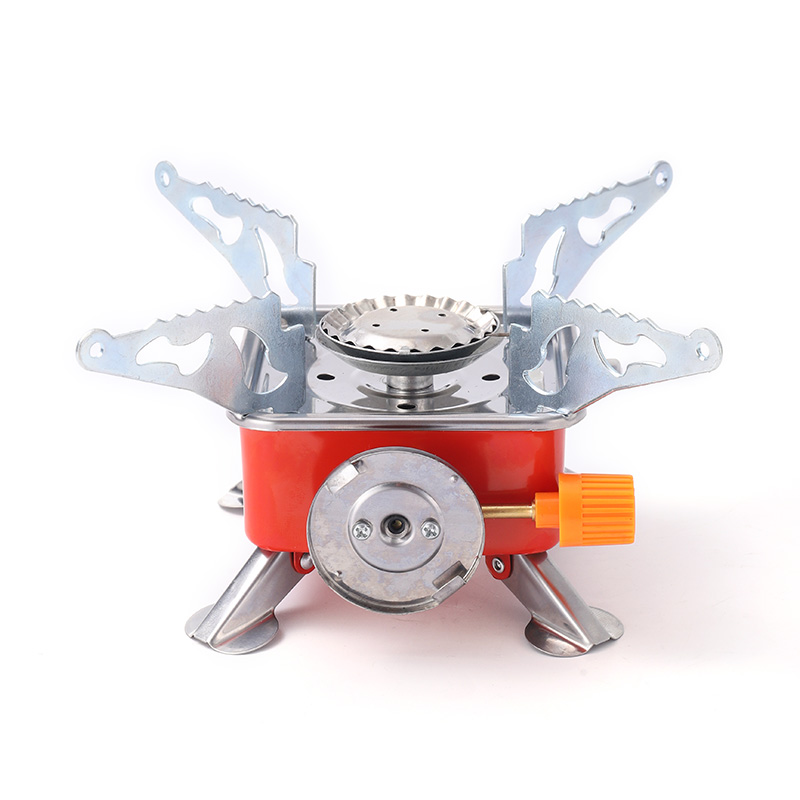
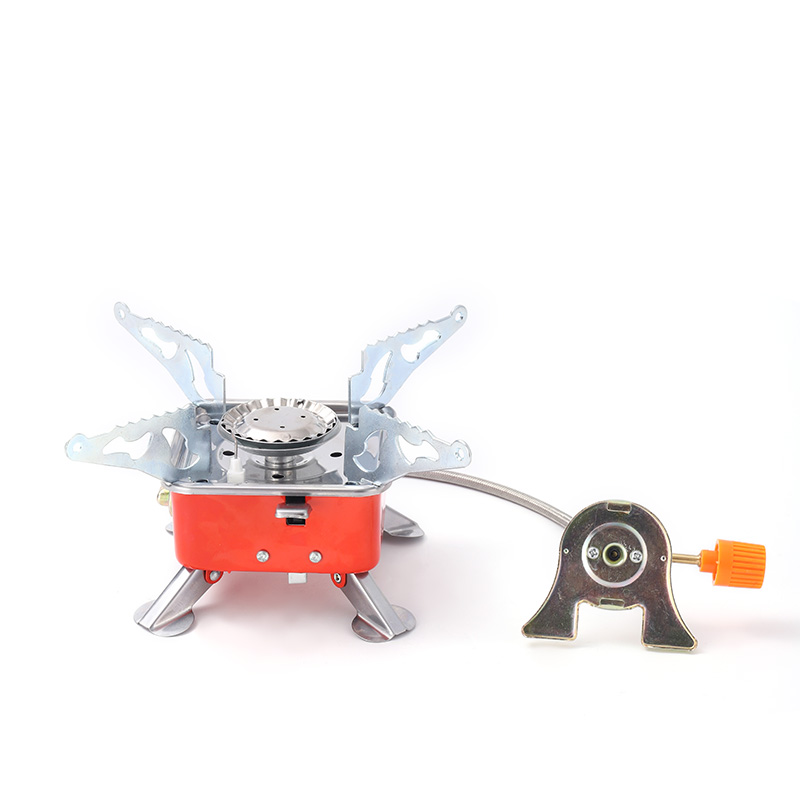
Outdoor cooking is becoming more flexible, with campers choosing equipment according to trip length, group size, and available storage rather than carrying a fixed kitchen setup. For manufacturers and B2B buyers, this creates an opportunity to develop Lightweight Camping Cookware around modular components that can work independently or as part of a compact set. The goal is not simply to add more pieces, but to make each component useful while keeping the overall system easy to carry and store.
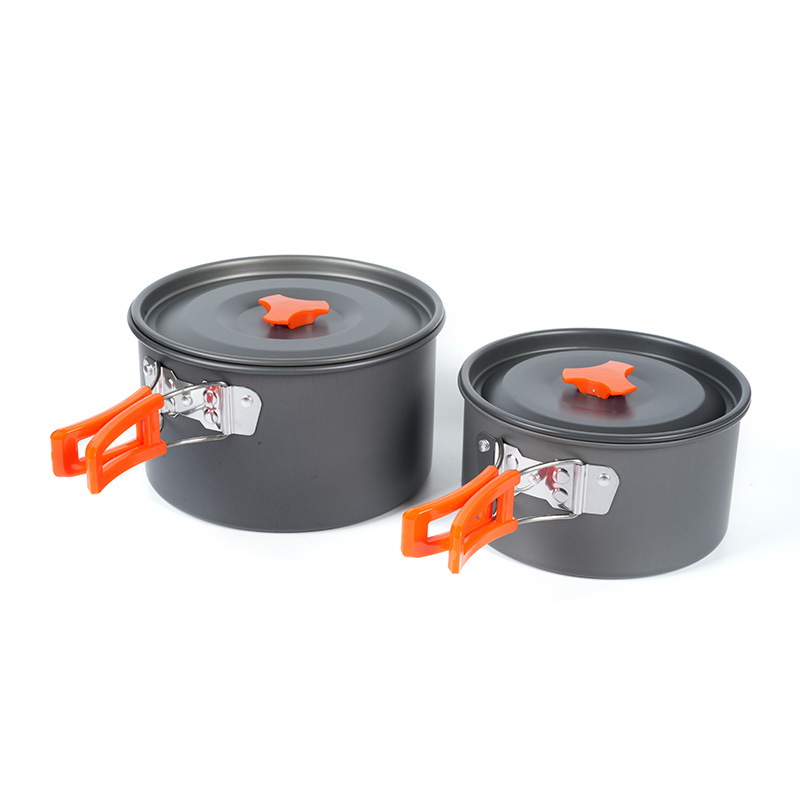
A solo backpacker may only need a compact pot and cup, while a couple may prefer a pot, pan, bowls, and utensils. Car campers can accept additional components when they provide greater cooking flexibility. Designing several compatible combinations allows manufacturers to serve these different users without developing completely unrelated product lines.
This approach also gives outdoor brands more flexibility when creating entry-level and expanded cookware packages.
Nesting remains one of the useful structural solutions for portable cookware. Pots, pans, cups, bowls, and other components can be arranged inside one another so the complete set occupies less space during transport. Recent outdoor cookware reviews continue to highlight nesting as an important factor when comparing compact sets.
For manufacturers, the challenge is to maintain sufficient clearance between components. Poorly matched dimensions can create scratches, rattling, or difficulty removing individual pieces.
Multi-use components can reduce the number of separate items required in a camping kit. A lid may also function as a strainer or serving surface, while a pot can accommodate a stove or small accessories during transport.
Useful multifunctional features include:
Each added function should have a clear purpose rather than increasing complexity for marketing value.
Collapsible cookware introduces additional engineering considerations. Hinges, folding handles, locking points, and flexible components experience repeated movement during setup and storage. If these parts are difficult to operate or become loose, the convenience of a compact design can quickly disappear.
Manufacturers should evaluate repeated folding, connection stability, dimensional consistency, and resistance to normal outdoor handling during product development. These checks are especially relevant for OEM projects where a buyer needs consistent performance across production batches.
Material selection should support the intended market. Titanium can suit products where low carrying weight is a central requirement, while aluminum can offer useful heat-transfer characteristics for broader cooking applications. Stainless steel may be selected when durability and straightforward maintenance are priorities.
The right material depends on the balance between weight, cooking behavior, durability, appearance, and target retail positioning. Treating material choice as part of the product strategy can help manufacturers avoid unnecessary cost or performance trade-offs.
Modular cookware also creates useful opportunities for private-label development. A manufacturer can develop a common pot or pan platform and adapt handles, lids, accessories, packaging, or set combinations for different markets.
This can help buyers create several SKUs around a shared manufacturing foundation while giving customers clear differences between products. It also supports accessory sales without requiring an entirely new cookware structure.
The development of Lightweight Camping Cookware is increasingly moving toward coordinated product systems. Compact nesting, useful multifunctional components, dependable folding structures, and application-specific combinations can make cookware easier to transport without reducing its practical value. For manufacturers serving overseas buyers, this system-oriented approach provides a practical way to create adaptable products for backpacking, weekend camping, overlanding, and other outdoor cooking scenarios.

Copyright © Yongkang Aomijia Industry & Trade Co., Ltd. All Rights Reserved.
Lightweight Camping Gas Stove Cookware Factory

 English
 中文简体
中文简体