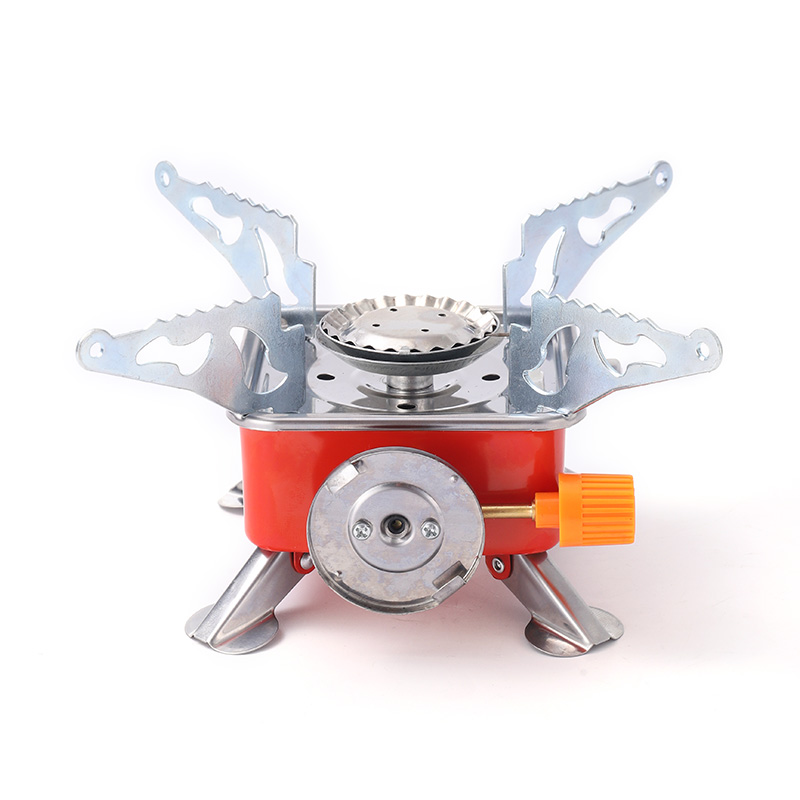
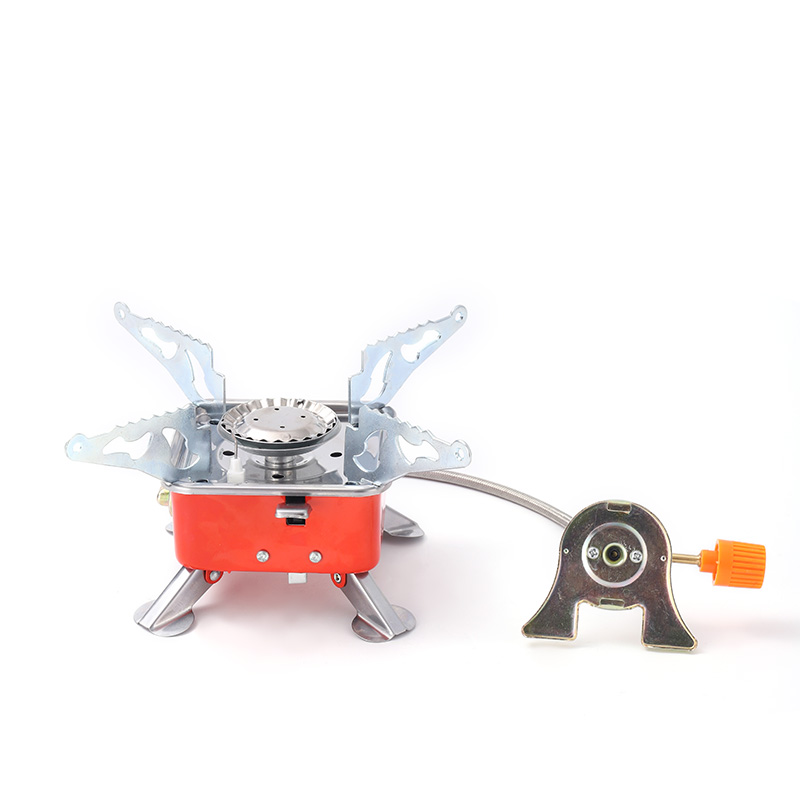
For backpackers, cooking after a long day on the trail should be straightforward, not another packing challenge. Lightweight Camping Cookware is gaining attention among outdoor gear retailers and equipment distributors as customers look for compact cooking solutions that fit multi-day trips without sacrificing everyday usability. As a manufacturer, we focus on practical design details that help outdoor brands address common complaints about bulky cookware, difficult cleaning, and inconsistent cooking performance.
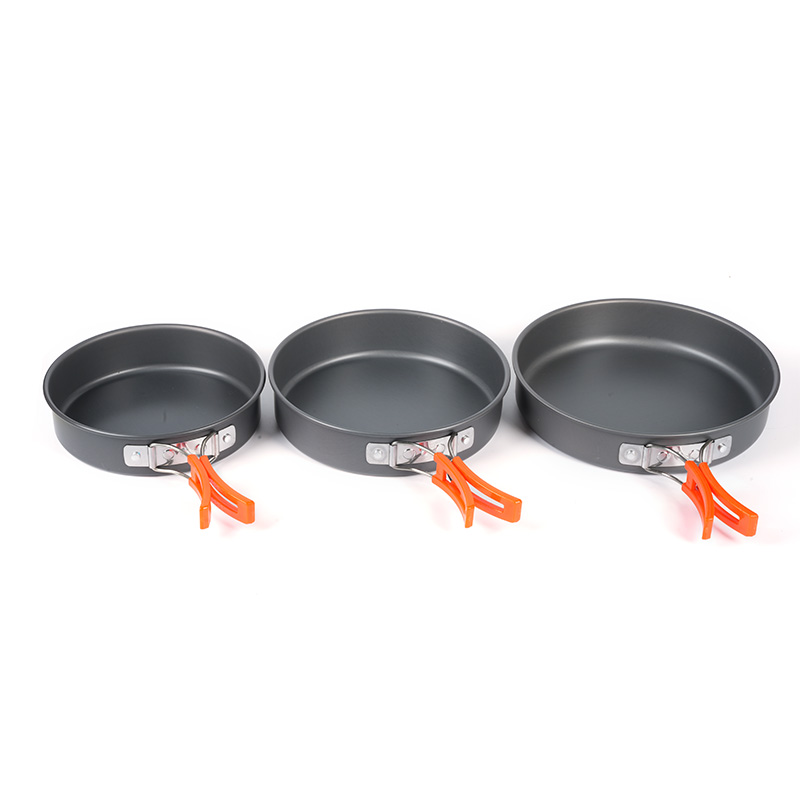
Backpack space is limited, especially when campers also carry tents, sleeping bags, food, and water. Cookware with unnecessary protrusions or incompatible components can take up valuable room. Nesting pots, detachable accessories, and folding handles help create a more organized cooking kit. When developing lightweight camping cookware sets, we recommend evaluating the packed dimensions of the entire set rather than considering each item separately. A compact design should also allow users to retrieve individual components without unpacking their other equipment.
Different materials serve different outdoor cooking preferences. Titanium is suitable for hikers who prioritize low carrying weight, while aluminum offers efficient heat transfer for everyday cooking. Stainless steel may suit users who prefer a more substantial cooking vessel and accept additional weight. These differences affect not only product performance but also pricing and target customers.
For wholesale buyers, material selection should account for the intended market, typical trip duration, cooking habits, and expected retail price. Clear product specifications also help sales teams explain why two camping pots with similar capacities may differ in weight, handling, and care requirements.
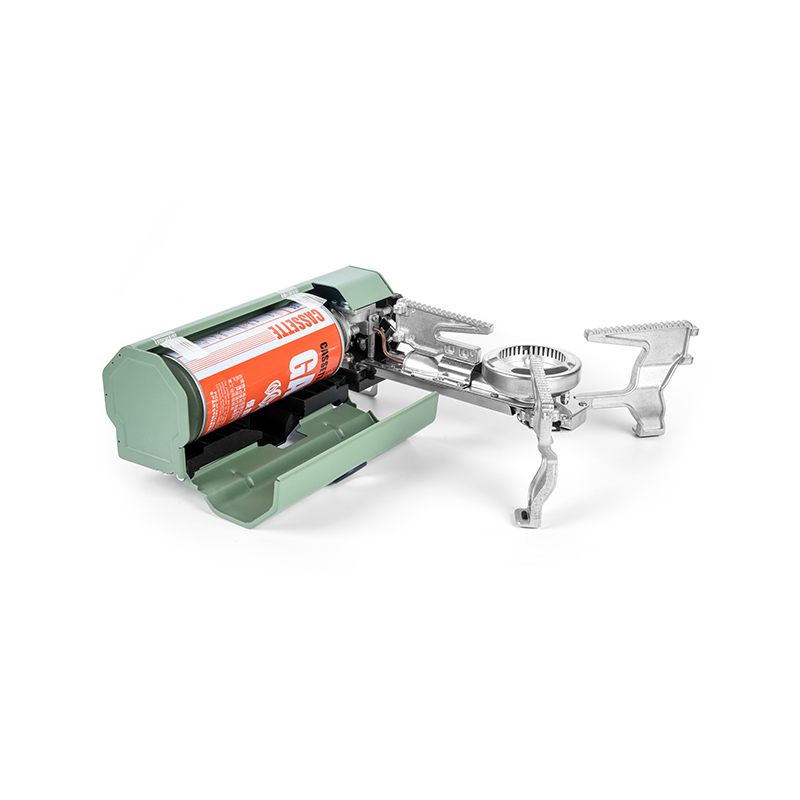
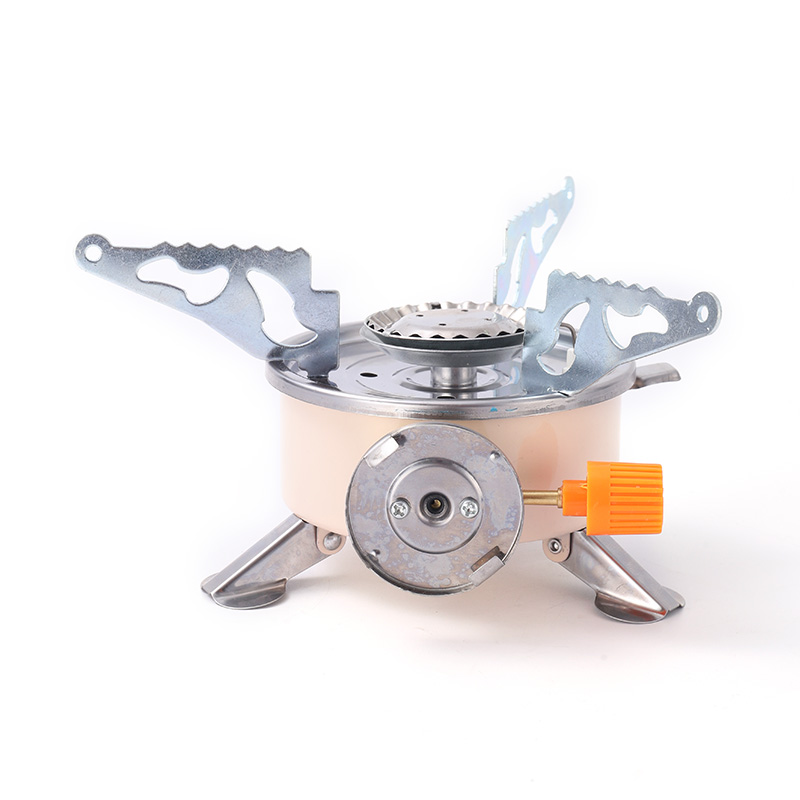
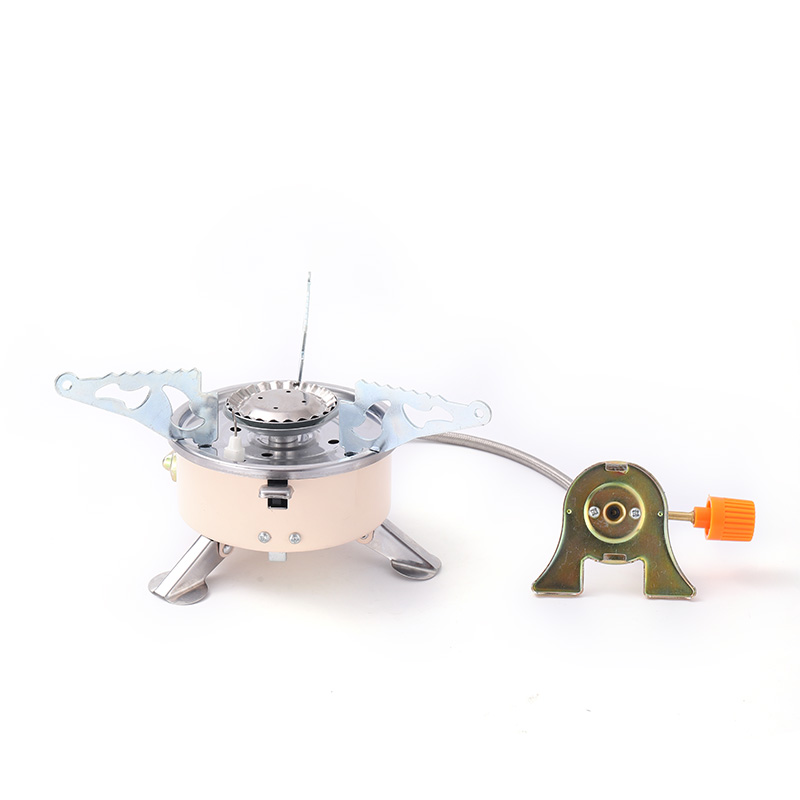
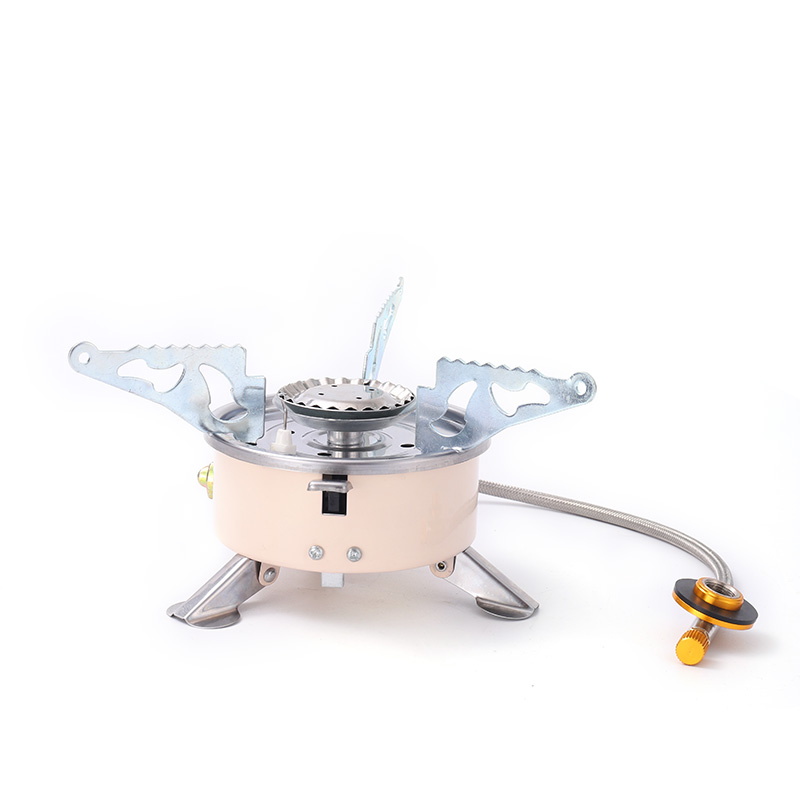
A compact stove can create concentrated heat beneath a pot, making food more likely to stick or cook unevenly. Cookware selection should therefore consider the relationship between the pot base and the stove rather than focusing only on weight.
Buyers can assess several practical details:
These checks help retailers select products that match actual camping conditions.
Small design features can determine whether cookware feels easy or awkward to use. A loose lid may be inconvenient during transport, while a handle that does not fold neatly can interfere with packing. For cooking, secure handles and practical lid designs help users manage food and hot liquids more comfortably when used according to the manufacturer's instructions.
As a manufacturer, we evaluate these components as part of the complete product rather than treating them as decorative additions. Buyers should also review attachment strength, folding mechanisms, and storage arrangements during sample evaluation.
After cooking, campers may have limited water and few convenient places to wash equipment. Cookware with accessible interior surfaces and uncomplicated construction can make cleaning less troublesome. Food residue should be removed according to the material's care instructions, particularly when the product has a special coating or surface treatment. For distributors, providing clear cleaning guidance can also help customers use and maintain their cookware properly.
A solo backpacker may need a compact pot for boiling water, while a couple may prefer a set that supports more varied meals. Family campers often place greater value on capacity and convenient handling. Offering different configurations allows outdoor brands to address these needs without relying on one oversized set for every customer.
Retail buyers can review customer feedback, common support questions, and product return reasons to identify useful combinations. Clear information about capacity, packed dimensions, material, included accessories, and stove compatibility makes product comparisons easier for both retail staff and end users.
Successful product development requires more than reducing material weight. Packing efficiency, heat behavior, handle security, cleaning requirements, and intended cooking methods all influence the user experience. We work from these practical considerations when evaluating Lightweight Camping Cookware for outdoor brands and distributors, helping them build product collections that respond to real trail conditions and offer customers a more convenient way to prepare meals outdoors.

Copyright © Yongkang Aomijia Industry & Trade Co., Ltd. All Rights Reserved.
Lightweight Camping Gas Stove Cookware Factory

 English
 中文简体
中文简体