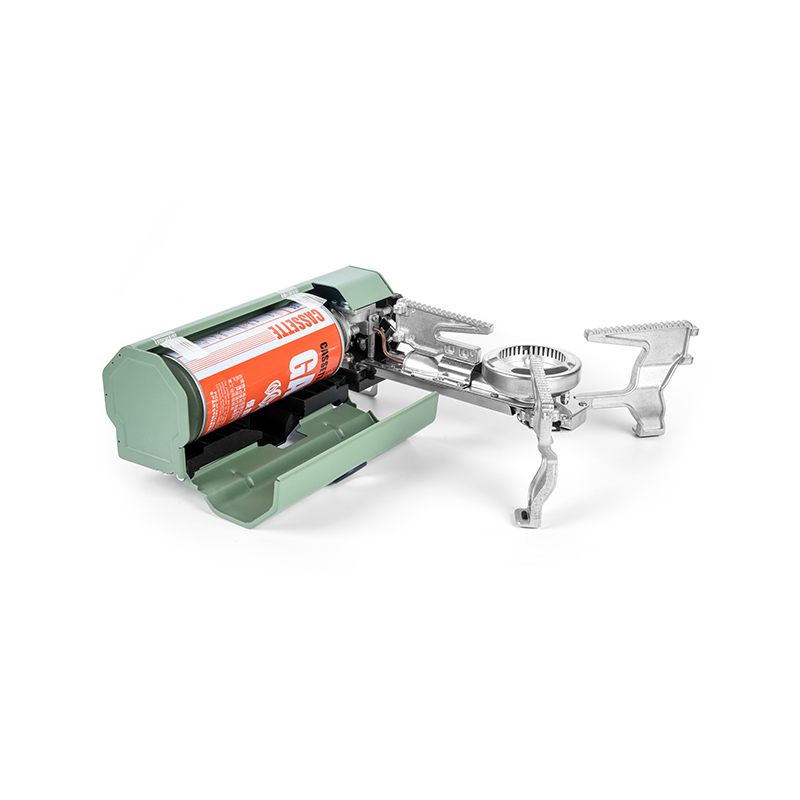
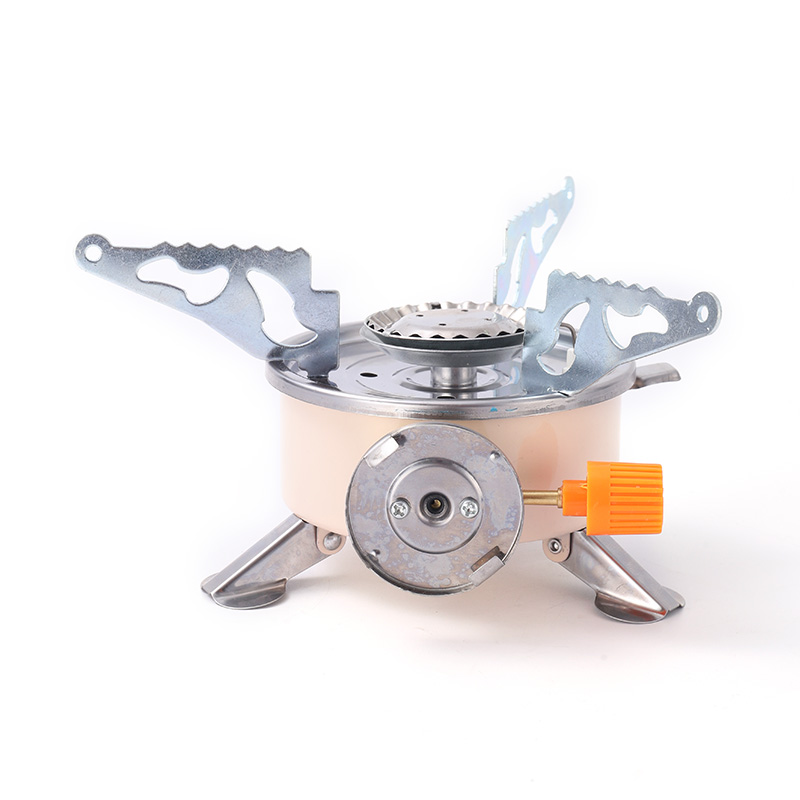
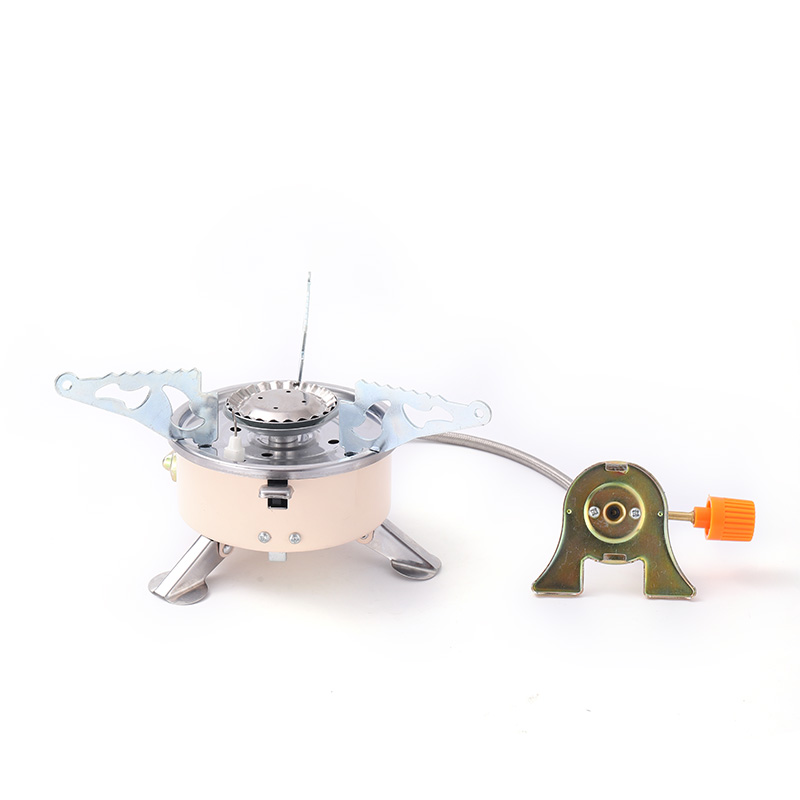
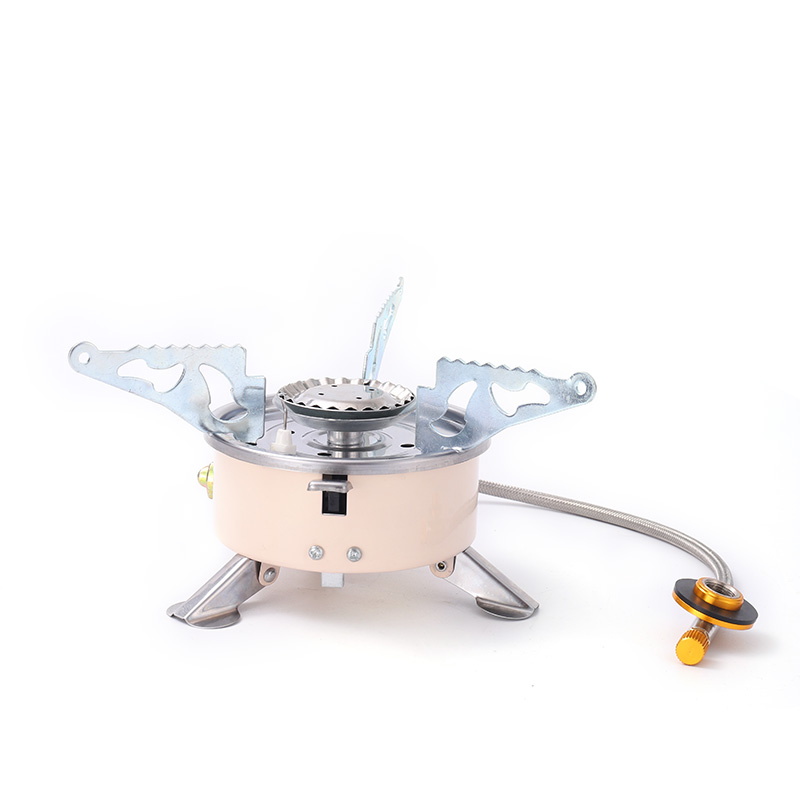
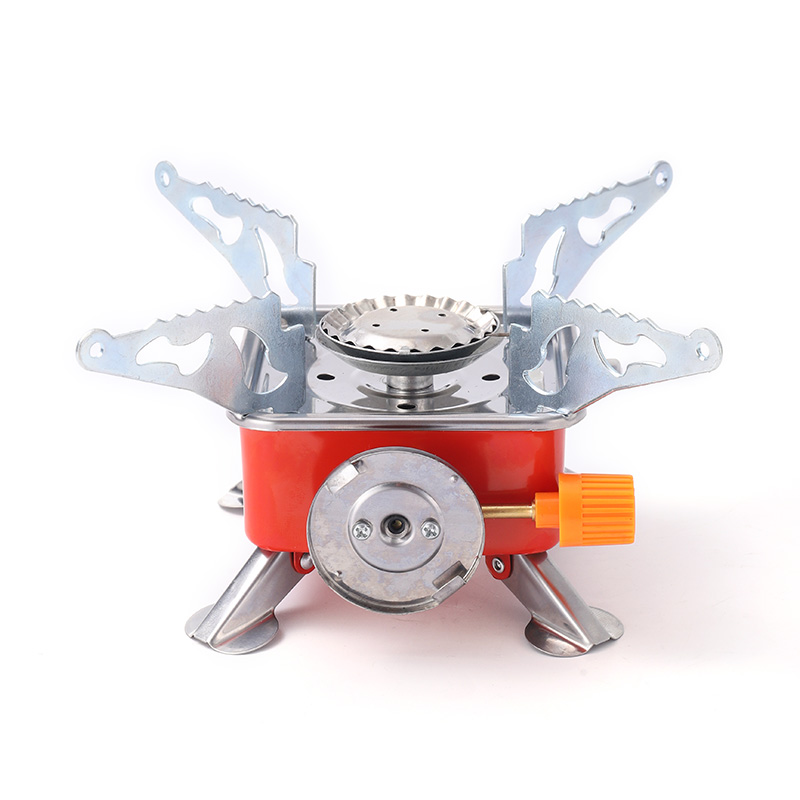
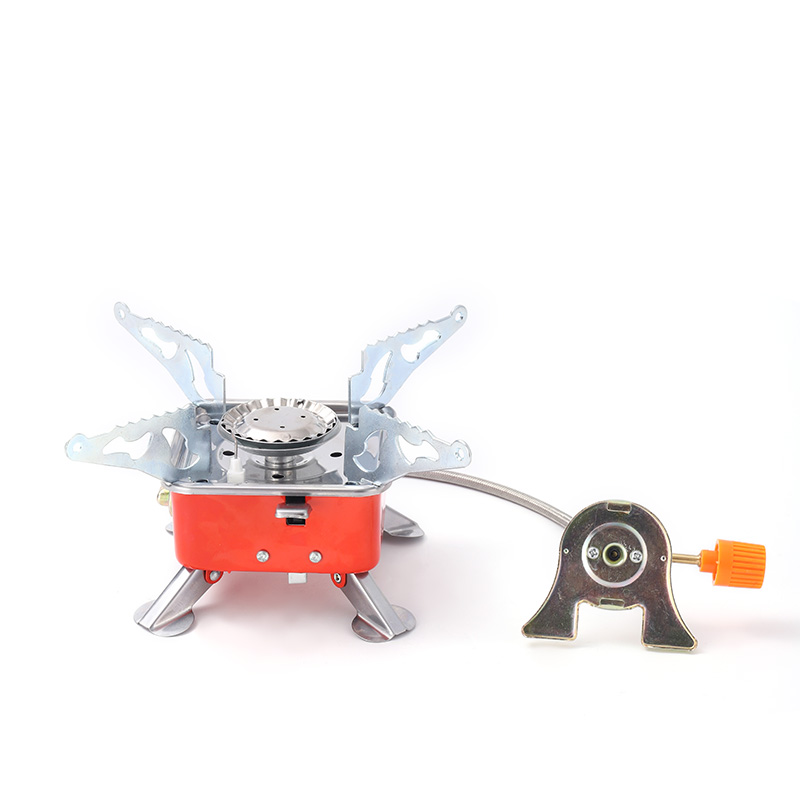
Lightweight Camping Cookware has become an important consideration for outdoor brands, camping equipment distributors, and retailers serving hikers and backpackers. As more outdoor enthusiasts share their camping experiences and packing tips on social media, practical concerns such as pack size, cooking efficiency, and easy cleaning are attracting attention. As a manufacturer, we see these everyday challenges as key factors when developing cookware for different outdoor activities.
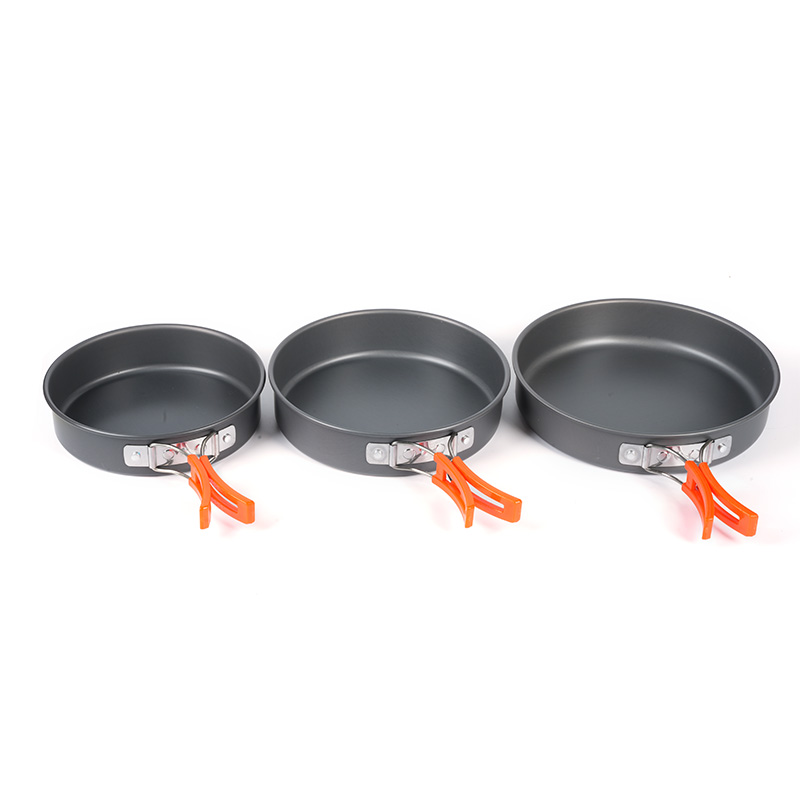
Reducing pack weight matters on long hikes, but cookware must still handle real cooking tasks. A pot that is easy to carry may be less convenient if it heats unevenly or feels unstable on a compact stove. For buyers sourcing lightweight camping pots and pans, the goal is to balance portability with usable capacity, reliable handling, and suitable heat distribution. Product selection should reflect the meals campers actually prepare, from boiling water for dehydrated food to cooking simple meals at established campsites.
Material selection affects weight, durability, heat response, and retail positioning. Titanium is valued for its low weight and corrosion resistance, making it attractive to backpackers who prioritize carrying less. Aluminum transfers heat efficiently and can suit campers who want practical cooking performance without excessive bulk. Stainless steel may appeal to users who prioritize a sturdy feel, although it is generally heavier. We recommend matching material choices to the intended customer rather than assuming one option suits every outdoor market.
Packability is about more than reducing the weight of individual items. Bulky handles, oversized lids, and poorly matched pot diameters can make a complete cooking kit difficult to store. Nesting pots, folding handles, and compatible accessories help users organize equipment inside a backpack. For retailers developing compact camping cookware sets, these details also affect packaging, product presentation, and the range of items that can be offered in one kit.
Outdoor cooking conditions differ from those in a home kitchen. Wind exposure, uneven ground, and small camping stoves can make temperature control difficult. Cookware design should support stable placement and predictable cooking behavior under the intended conditions.
Useful features to assess include:
These practical details can influence user satisfaction long after the initial purchase.
Cleaning cookware outdoors can be inconvenient when water supplies are limited. Smooth surfaces, accessible corners, and removable components can make post-meal cleanup more manageable. Buyers should also review the manufacturer's care instructions, since different materials and surface treatments may require different cleaning methods. For product developers, compact storage and easy maintenance are useful selling points for customers who camp frequently or travel between locations.
Outdoor retailers serve different groups, including minimalist backpackers, family campers, and casual weekend travelers. Each group values a different combination of weight, capacity, price, and convenience. A compact single-pot kit may suit solo hikers, while a nested cookware set can appeal to customers preparing meals for several people. Reviewing customer feedback, return reasons, and questions received by sales teams can help distributors select suitable product combinations and reduce mismatches between product descriptions and actual use.
As a manufacturer, we believe product development should begin with practical use scenarios rather than appearance alone. Material selection, handle structure, packing efficiency, cleaning requirements, and stove compatibility all deserve attention during sourcing and quality checks. For outdoor brands and distributors planning new collections, Lightweight Camping Cookware should offer a clear balance of portability and everyday cooking function, helping customers prepare meals with less packing difficulty and giving retailers a product range suited to real camping needs.

Copyright © Yongkang Aomijia Industry & Trade Co., Ltd. All Rights Reserved.
Lightweight Camping Gas Stove Cookware Factory

 English
 中文简体
中文简体