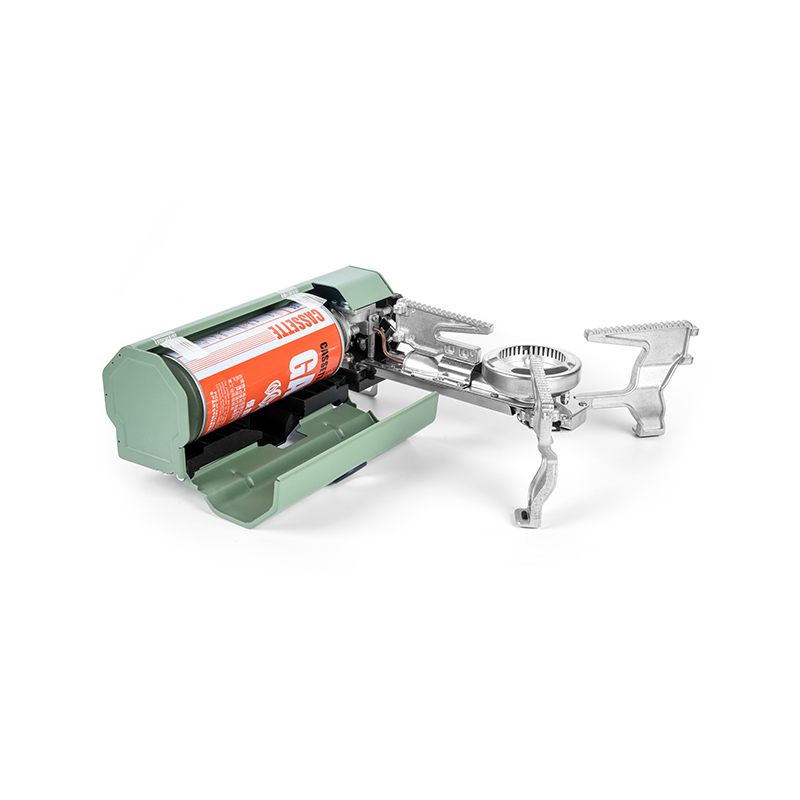
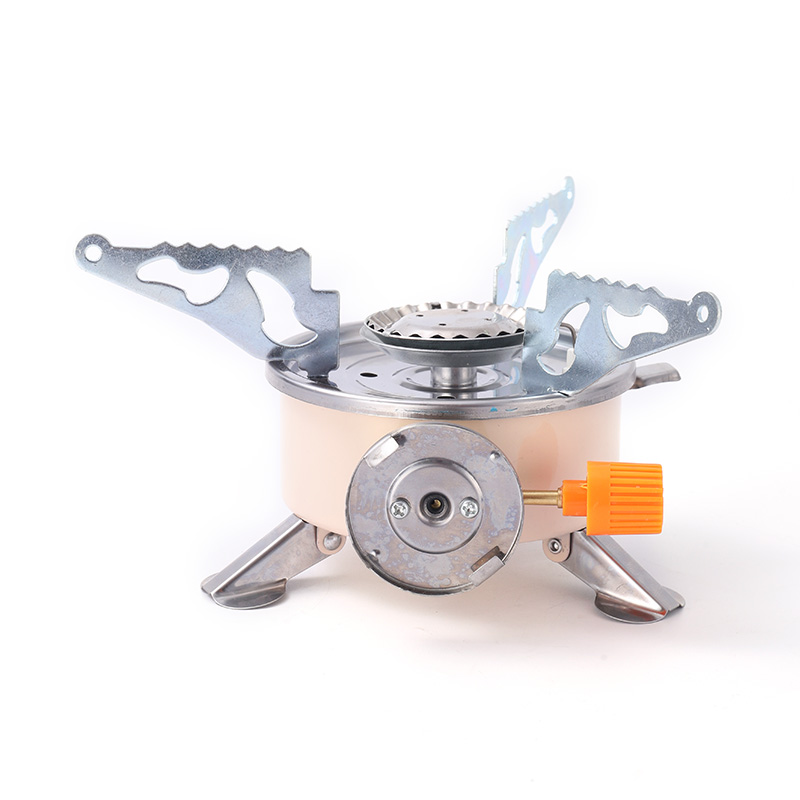
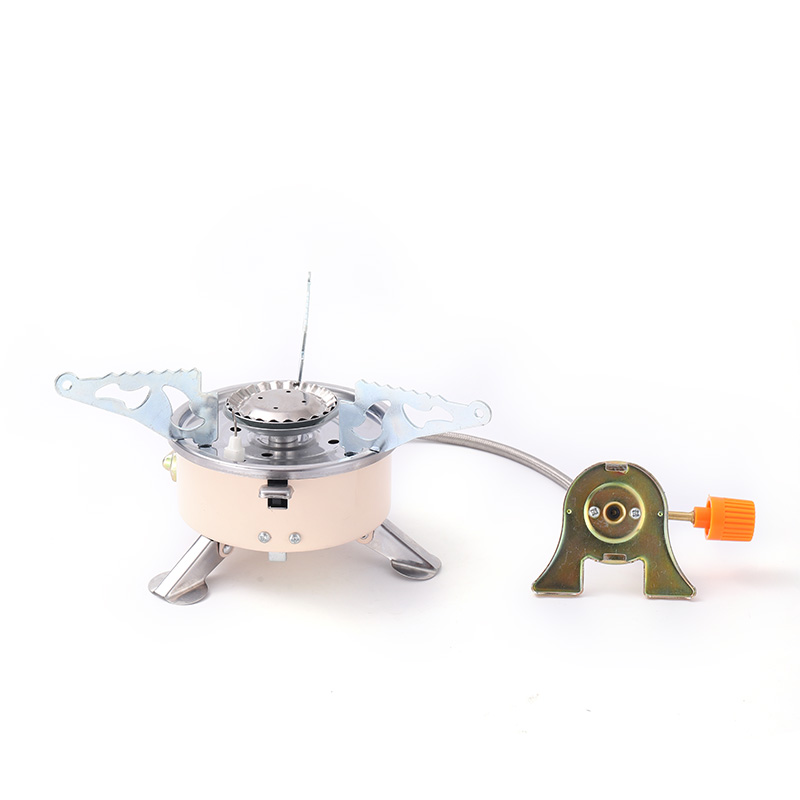
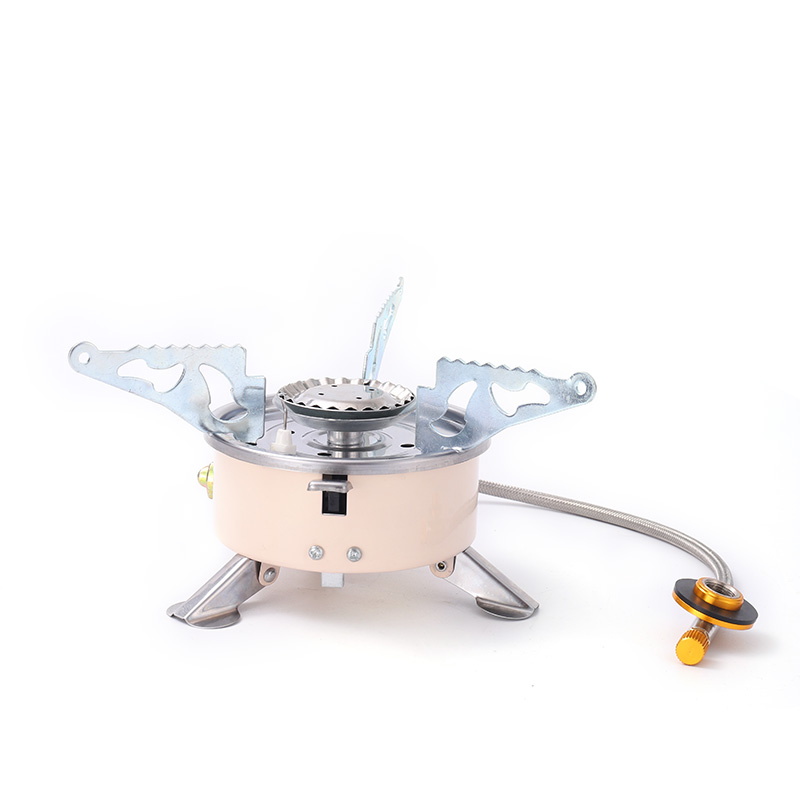
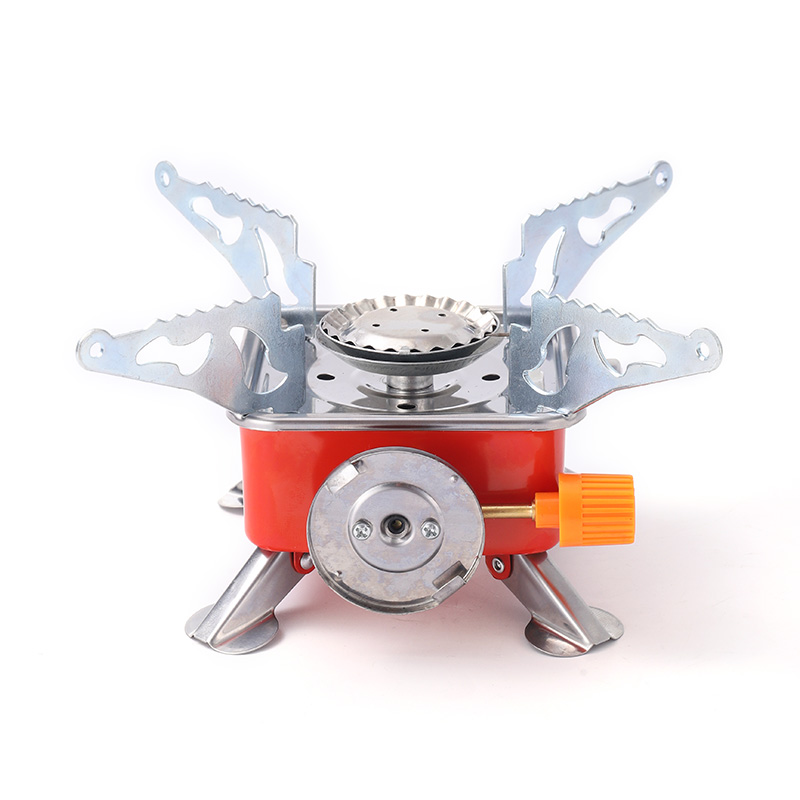
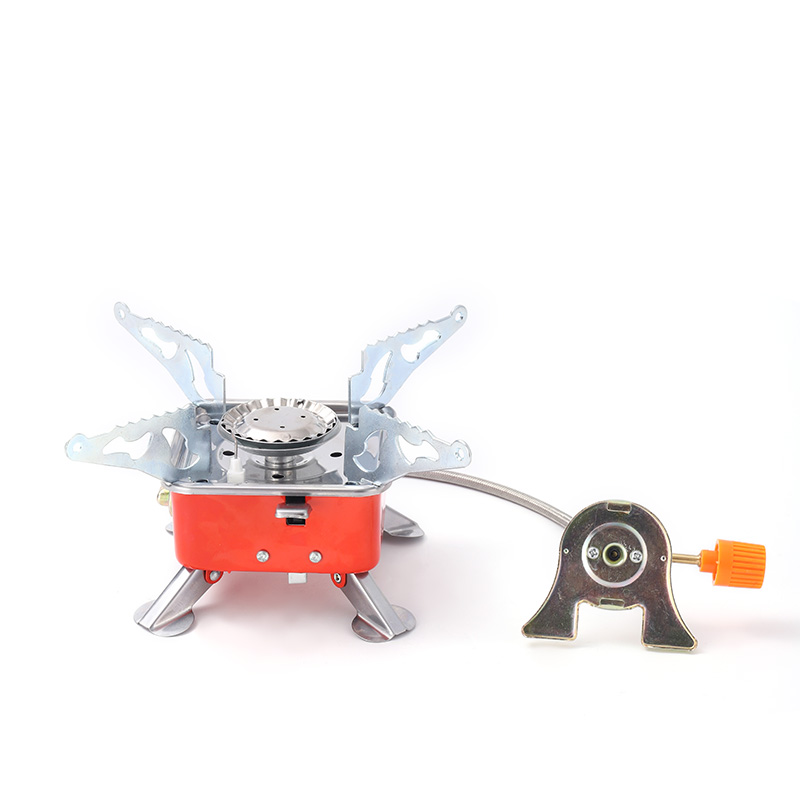
Outdoor cooking equipment has become an important part of modern camping and backpacking activities. Many hikers and campers now prefer portable cooking systems that are easier to carry during travel. The Lightweight Camping Stove is widely used because it combines compact storage with practical outdoor cooking functions. Along with portability, fast cooking performance has become one of the features many outdoor users care about during product selection.
Quick meal preparation can improve comfort during hiking trips, mountain camping, and outdoor travel. Whether campers are preparing coffee in the morning or heating meals after a long hike, cooking speed often affects the overall outdoor experience. Because of this, many lightweight stove designs now focus on improving heating efficiency while maintaining portable structures.
Why Fast Cooking Matters Outdoors
Cooking outdoors is different from preparing food at home. Campers often work with limited fuel supplies and changing weather conditions. Faster cooking may help reduce fuel use and shorten meal preparation time during travel.
For backpackers and hikers, quick boiling is especially useful during cold weather or high-altitude trips where warm drinks and hot meals become important for comfort. Some campers also prefer shorter cooking times because they allow more time for hiking, resting, or setting up camp.
Outdoor users who travel with lightweight gear usually want cooking systems that support convenience without adding unnecessary bulk to their backpacks.
Burner Design and Heating Efficiency
Burner structure strongly influences cooking speed. Many lightweight camping stoves use focused flame designs that direct heat toward the center of the cookware.
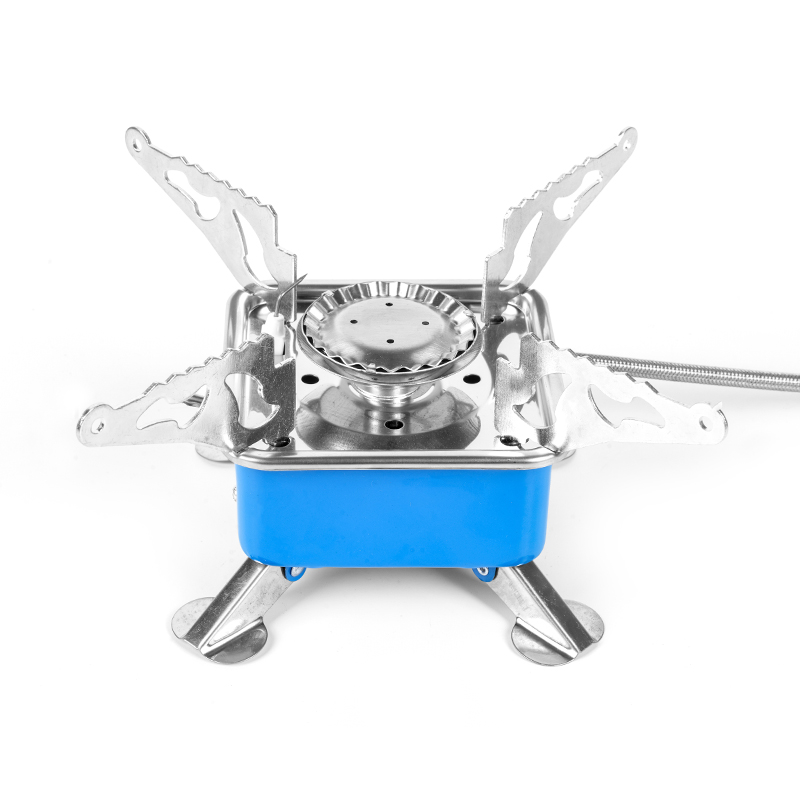
Some products include wider burner heads for more even heat distribution, while others focus on concentrated flames for rapid boiling. Compact wind-resistant structures are also becoming more common because airflow can reduce heating efficiency outdoors.
Stable flame control is another important factor. A controlled and consistent flame may help improve cooking performance during windy or cold outdoor conditions.
As outdoor cooking habits continue to change, users increasingly compare burner structures and heating systems before selecting a camping stove.
Cooking Applications During Camping Trips
Many campers use lightweight stoves mainly for boiling water. Hot water is commonly needed for coffee, tea, instant noodles, and dehydrated outdoor meals.
However, outdoor cooking has expanded beyond simple boiling tasks. Some campers now prepare soups, rice dishes, pasta, and breakfast meals during trips. Because of this, cooking performance has become more important when comparing portable stove options.
Campers who prepare larger meals may look for stoves with wider pot supports and more balanced heat distribution for improved cooking comfort.
Different outdoor activities also influence cooking needs. Solo hikers may focus on compact boiling systems, while family campers often require cooking equipment suitable for longer meal preparation.
Fuel Efficiency and Portability
Fuel efficiency is closely connected to fast outdoor cooking. When a stove transfers heat more effectively, users may spend less time cooking and carry less extra fuel during trips.
Portable storage remains another important consideration. Foldable stove structures and compact burner systems are popular because they help save space inside backpacks.
Lightweight materials such as titanium and stainless steel are commonly used to balance portability with outdoor durability. Campers often compare carrying weight together with cooking performance before making a purchase decision.
Outdoor Conditions Affect Cooking Speed
Weather conditions can strongly influence stove performance outdoors. Wind, cold temperatures, and uneven ground may all affect heating efficiency during cooking.
Wind-resistant stove designs are becoming increasingly common because they help protect the flame and improve heat concentration around cookware. Stable support structures may also improve cooking comfort during outdoor use.
Campers traveling through mountain areas or coastal environments often prefer stove designs that maintain more consistent heating performance under changing weather conditions.
Changing Trends in Outdoor Cooking Equipment
As outdoor lifestyles continue to grow, camping stove development is moving toward balancing portability with practical cooking performance. Users are no longer focused only on reducing weight. Many now look for products that also support efficient cooking and comfortable outdoor meal preparation.
Compact integrated cooking systems, foldable burner structures, and improved heat control designs are becoming more visible in the camping equipment market. Outdoor users increasingly value lightweight stoves that support both mobility and reliable cooking during travel.
Lightweight camping stove options continue to evolve as hikers and campers search for portable equipment suitable for faster and more convenient outdoor cooking experiences.

Copyright © Yongkang Aomijia Industry & Trade Co., Ltd. All Rights Reserved.
Lightweight Camping Gas Stove Cookware Factory

 English
 中文简体
中文简体