The performance and longevity of a Butane Torch Head are directly tied to how it is cared for. Like any precision tool, neglect leads to a gradual decline—diminished heat, erratic flames, and eventual failure. Conversely, a consistent and thoughtful maintenance routine can preserve its functionality for an extended period. This process is not difficult; it requires only an understanding of what to do and the establishment of regular habits. This article details a practical approach to cleaning and care.
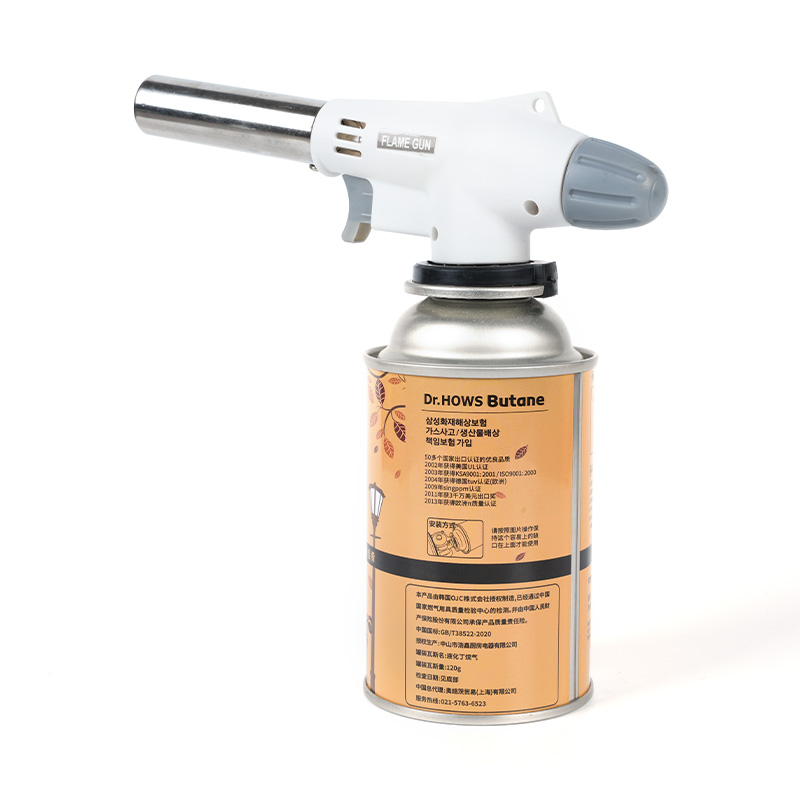
The core function of the torch head is to deliver a controlled mix of butane and air for combustion. Over repeated uses, microscopic carbon particles from the flame can slowly accumulate inside the nozzle and gas channels. Dust from the environment can block the tiny air intake ports. This buildup restricts flow, disrupts the critical fuel-air balance, and forces the igniter to work harder. The result is a tool that underperforms, wastes fuel, and becomes unreliable. Proactive cleaning reverses this process and maintains design specifications.
You do not need specialized equipment for effective maintenance. A basic kit can include several common items: soft-bristled brushes (like a clean paintbrush or toothbrush), cotton swabs, isopropyl alcohol, and a can of compressed air for electronics. For addressing internal nozzle clogs, a set of brass cleaning pins is very useful. Brass is a softer metal than the nozzle, which reduces the chance of scratching or enlarging the delicate orifice. Keeping these items together in a small pouch ensures they are ready when needed.
Begin by guaranteeing the torch head is safe to handle: disconnect it from the fuel canister and confirm it has cooled to room temperature. Initial cleaning focuses on the exterior. Use a dry, soft brush to remove loose dust and debris from all surfaces, paying particular attention to grooves and vents. Dampen a cotton swab with isopropyl alcohol to wipe areas around the ignition electrode and the nozzle tip, where residues tend to gather.
For internal cleaning, focus on the main output nozzle. Select a brass pin that fits comfortably into the opening without forcing it. Insert the pin gently and rotate it between your fingers to dislodge soft carbon deposits. The goal is to clear the passage, not to scrape the walls aggressively. After this, use a short burst of compressed air to blow through the gas pathway from the connection end, helping to clear out any loosened material. Allow all parts to air-dry completely before reassembly or storage.
Consistency is more effective than occasional intense cleaning. Adopt a simple schedule: after each use, give the cooled head a quick wipe with a dry cloth. After every few canisters of fuel, or if you notice any change in flame quality, perform the external alcohol cleaning. A full internal cleaning with pins and compressed air might only be necessary a few times a year for regular users, or immediately if performance issues arise.
For storage, the objective is to keep the tool clean and dry. After a final cleaning, store the Butane Torch Head in a way that protects it. A dedicated box or the original packaging prevents dust accumulation and protects the nozzle from accidental impact. Choose a storage location that is dry and has a stable temperature, away from humidity or heat.
This structured approach to maintenance is an investment in the tool’s future. A clean Butane Torch Head operates with greater efficiency, provides consistent heat, and avoids the frustrations of unexpected breakdowns. The small amount of time dedicated to its care pays dividends in reliable service.

Copyright © Yongkang Aomijia Industry & Trade Co., Ltd. All Rights Reserved.
Lightweight Camping Gas Stove Cookware Factory

 English
 中文简体
中文简体