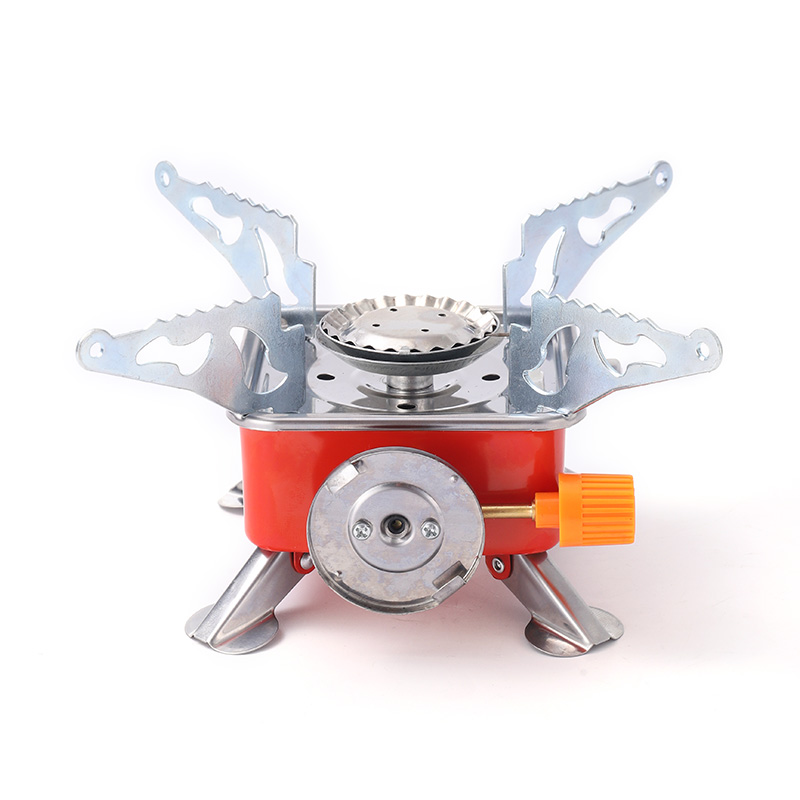
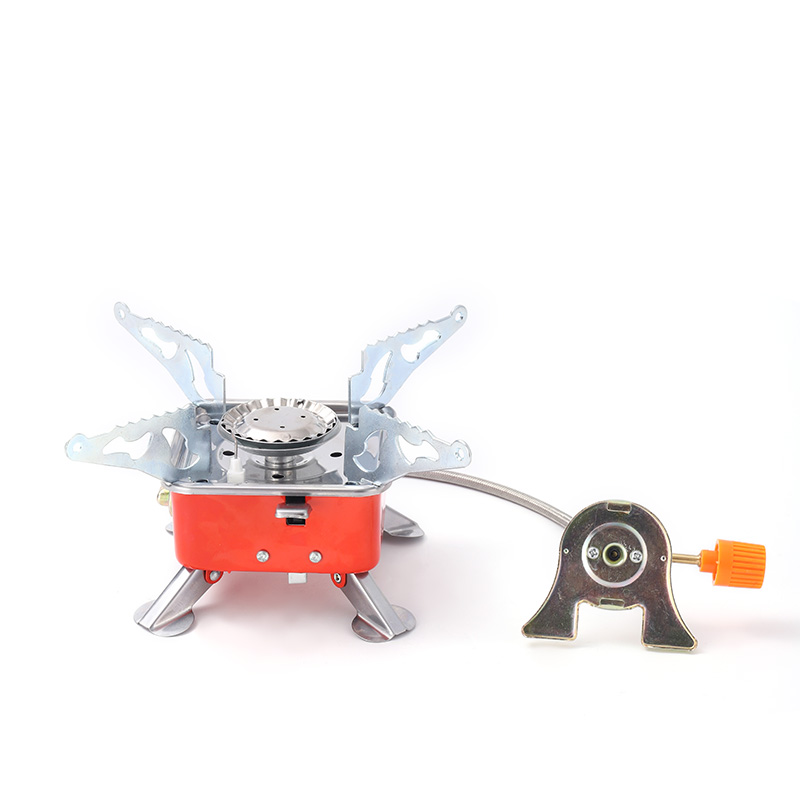
Lightweight Camping Cookware is becoming increasingly focused on practical packing, efficient cooking, and flexible outdoor use. Recent camping gear coverage shows that backpackers and campers are paying closer attention to weight, nesting design, material selection, cleaning, and compatibility with compact stoves rather than simply choosing a large cookware set.
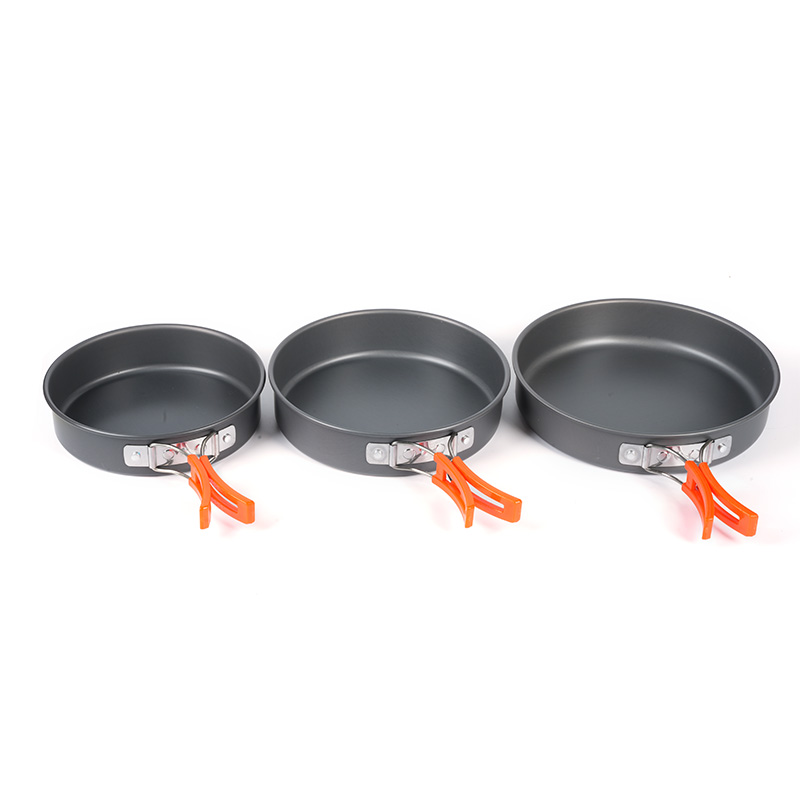
For outdoor buyers, cookware needs to fit naturally into the rest of the camping system. Nesting pots, folding handles, compact lids, and stackable accessories can reduce wasted space inside a backpack or vehicle. Recent product testing and industry coverage continue to highlight packability as an important consideration for both backpacking and car camping.
There is no single material that suits every outdoor application. Aluminum is commonly considered when low weight and heat distribution are priorities, while stainless steel is valued for durability and rugged use. Titanium can suit users focused heavily on carrying weight, although its heat distribution characteristics require more attention during cooking. For manufacturers, material selection should therefore follow the intended application rather than simply emphasizing one material.
A well-designed cookware set should work as a coordinated system. Pots, pans, bowls, cups, and utensils can be arranged to occupy the same storage space, while folding components help prevent handles from creating unnecessary bulk. This approach is particularly useful for buyers developing compact camping kits for distributors, outdoor retailers, and private-label programs.
Reducing size should not mean sacrificing everyday usability. Buyers increasingly look at how cookware performs on compact burners, including heat distribution, handle stability, lid fit, and cleaning convenience. For products intended for actual meal preparation rather than simple water boiling, manufacturers need to balance lightweight construction with practical cooking performance.
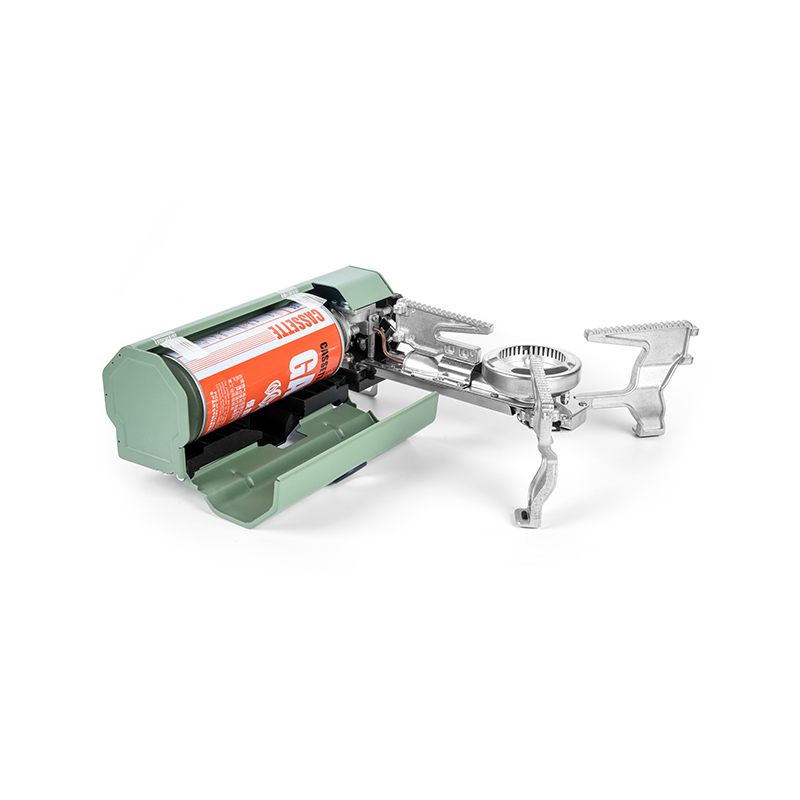
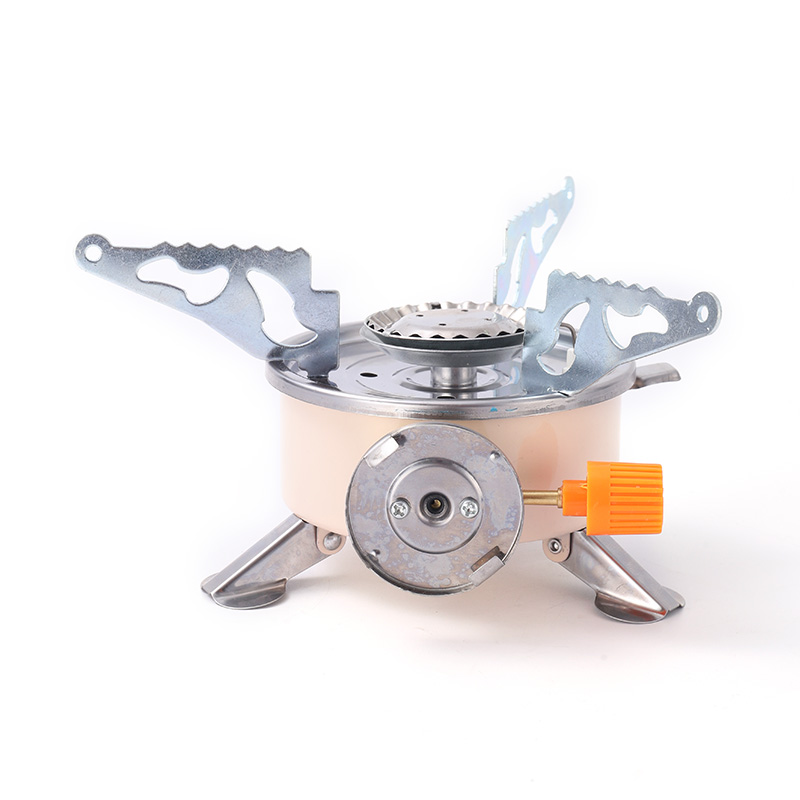
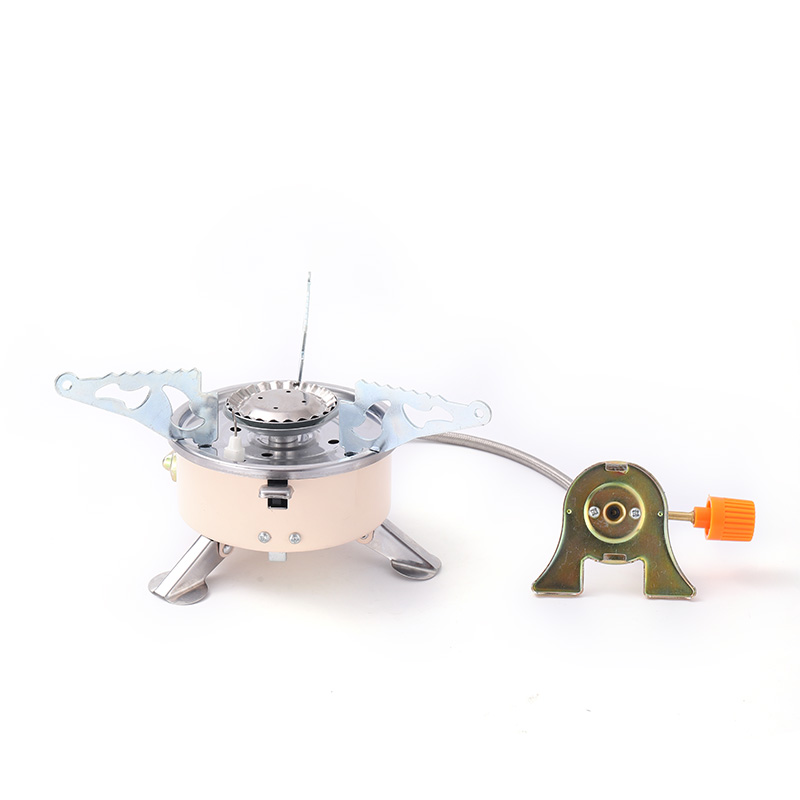
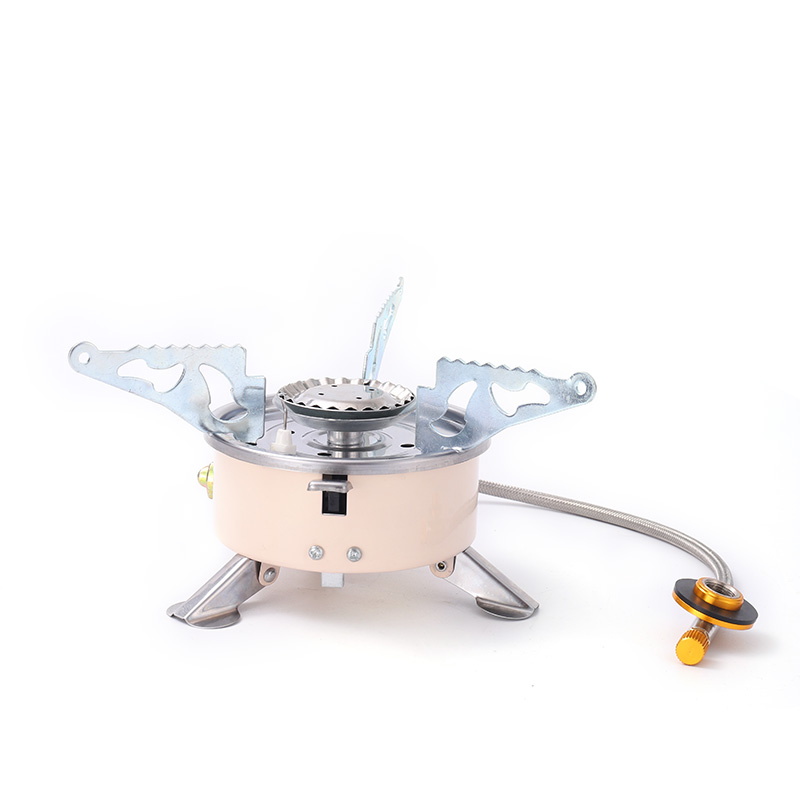
Outdoor cookware is often used with different portable stoves and fuel systems, so product design needs to consider the cooking environment. Important checks include stable contact with the stove, secure handles, appropriate lid construction, and clear material and care instructions. Matching cookware dimensions with the intended stove can also help avoid unstable setups during outdoor cooking.
From a manufacturing perspective, one cookware configuration rarely fits every market. A practical product range can be developed around:
As a cookware manufacturer, we focus on combining functional construction with practical outdoor requirements. Lightweight Camping Cookware can be developed around different materials, capacities, component combinations, handle structures, and packing formats according to the intended market. For buyers planning private-label or wholesale outdoor cookware lines, clear product specifications and application-focused configurations can make it easier to build a useful product range rather than simply adding more pieces.

Copyright © Yongkang Aomijia Industry & Trade Co., Ltd. All Rights Reserved.
Lightweight Camping Gas Stove Cookware Factory

 English
 中文简体
中文简体