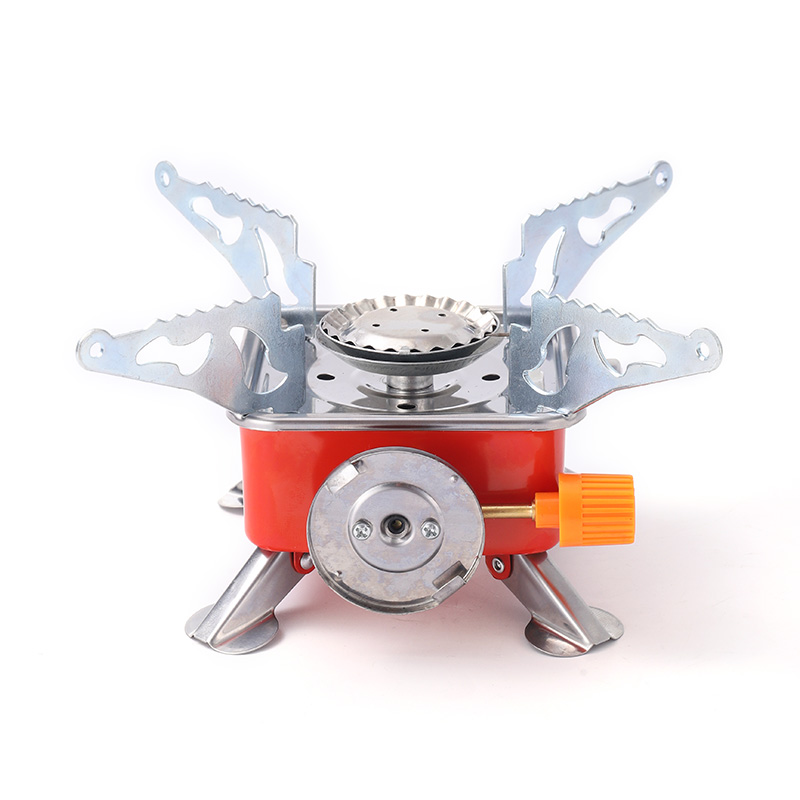
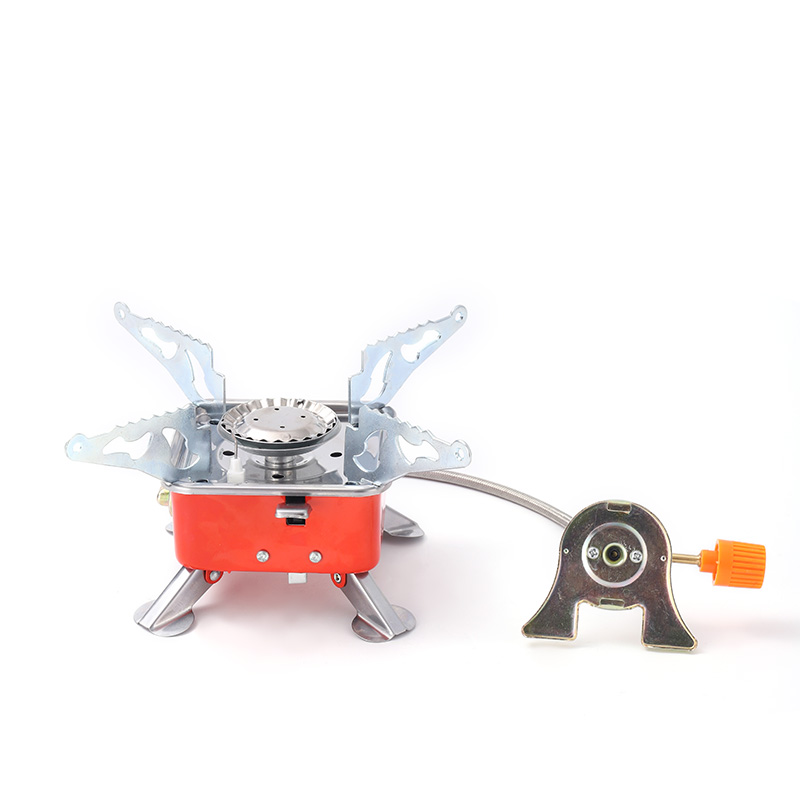
Reducing cookware weight sounds straightforward until manufacturers have to balance portability with structural stability, heat response, and repeated outdoor use. For overseas buyers, a lightweight pot that becomes difficult to handle or loses its shape after frequent heating may create returns and negative product feedback. This is why Lightweight Camping Cookware development increasingly focuses on controlled material use and structural design rather than simply making every component thinner.
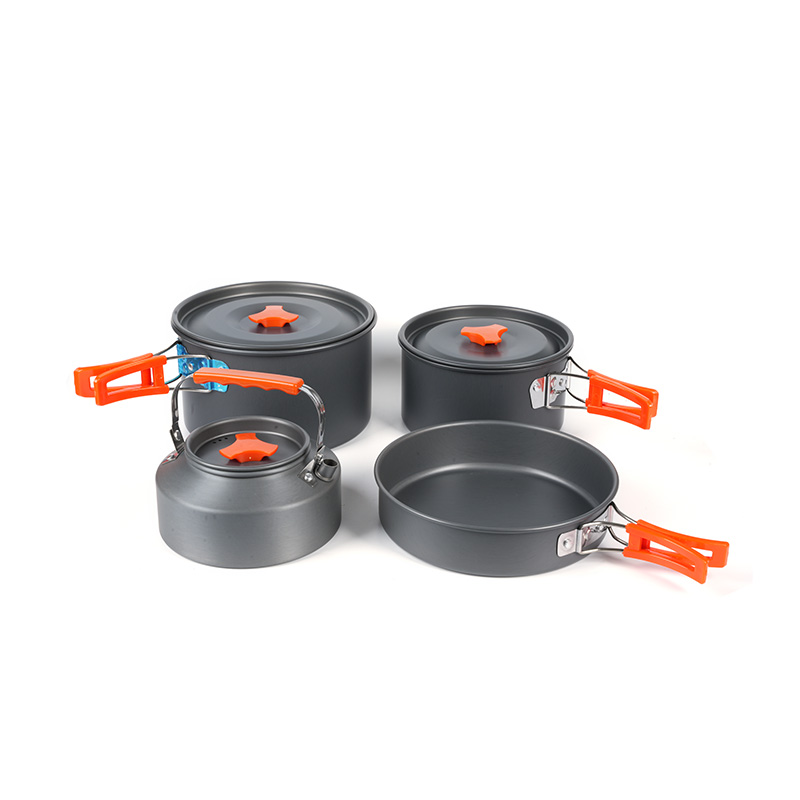
The wall of a camping pot has a direct relationship with weight, rigidity, and resistance to deformation. A thinner wall can reduce material consumption, but it may also become more sensitive to dents or distortion during transportation and use.
Manufacturers should establish thickness according to the intended application. A compact backpacking pot used mainly for boiling water can follow a different construction approach from cookware intended for regular meal preparation. This application-based method gives buyers clearer product positioning and avoids applying one specification across an entire product range.
The bottom of the cookware receives concentrated heat from portable burners, so its construction can have a noticeable effect on cooking performance. A single thin layer may respond quickly but can create localized hot spots depending on the material and stove configuration.
For products designed around actual meal preparation, manufacturers can evaluate reinforced or engineered base structures to improve heat distribution without unnecessarily increasing the weight of the entire vessel. The objective is to place material where it contributes directly to performance.
Material selection remains one of the main decisions in lightweight cookware development. Aluminum generally transfers heat more effectively, making it suitable for buyers who expect their cookware to handle more than simple water boiling. Titanium is attractive for weight-conscious applications because of its strength-to-weight characteristics, although its lower thermal conductivity requires more attention to flame control.
For B2B procurement, the better approach is to match material with the product's intended cooking style rather than promoting weight as the only specification.
Handles are small components, but they can become a weak point when cookware is repeatedly packed, unfolded, heated, and cleaned. Folding handles are particularly useful for compact products, yet their connection points need sufficient stability for normal operation.
During manufacturing, attention should be given to:
These details can influence the perceived quality of an entire cookware set.
Lightweight cookware is often used where cleaning resources are limited. Surface treatment therefore needs to match the intended cooking method and maintenance requirements.
For aluminum products, buyers may consider anodized or other specified surface treatments depending on the target market and cooking application. For uncoated titanium products, manufacturers should provide clear care guidance and explain appropriate cooking practices. Accurate material and finish descriptions also help overseas distributors create more informative product listings.
A cookware sample may perform well during a basic inspection but encounter different stresses during outdoor use. Repeated heating, cooling, nesting, packing, and handle movement can reveal issues that are not obvious during a single cooking test.
Manufacturers developing OEM and private-label products can evaluate key areas such as dimensional stability, lid fit, handle movement, nesting clearance, and resistance to normal handling. This gives procurement teams more useful information than weight specifications alone.
The development of Lightweight Camping Cookware is moving toward more deliberate engineering. Controlled wall thickness, suitable base construction, application-specific materials, dependable handles, and practical testing can help manufacturers reduce unnecessary weight while preserving everyday usability. For overseas buyers, this approach creates cookware that is easier to position for backpacking and camping markets without relying on weight reduction as the sole selling point.

Copyright © Yongkang Aomijia Industry & Trade Co., Ltd. All Rights Reserved.
Lightweight Camping Gas Stove Cookware Factory

 English
 中文简体
中文简体