Content
Anyone who has cooked outdoors knows the moment: the wind picks up, the flame starts to flutter, and dinner suddenly turns into a negotiation. A portable camping cooking stove is a small piece of gear, yet it quietly decides whether an evening outside feels relaxed or irritating. We have been building outdoor gas appliances in Yongkang since 2012, and after many seasons of customer feedback one lesson keeps repeating — the best stove is rarely the most complicated one. It is the one that matches how you actually cook.
This guide walks through the choices that matter most: stove format, burner behaviour in wind, fuel and canister compatibility, and the small safety habits that keep a stove working for years. It is written both for campers choosing their next stove and for buyers sourcing them in volume.
Before comparing wattage or weight, picture the trip. A solo hiker boiling water for a dehydrated meal has very different needs from a family of four simmering a stew at a campsite table. Ask three simple questions:
Answer those honestly and the shortlist narrows quickly. Most disappointment in outdoor stoves comes from a mismatch of purpose rather than a fault in the product itself — a featherweight backpacking burner asked to hold a heavy frying pan, or a large multi-burner dragged up a mountain path.
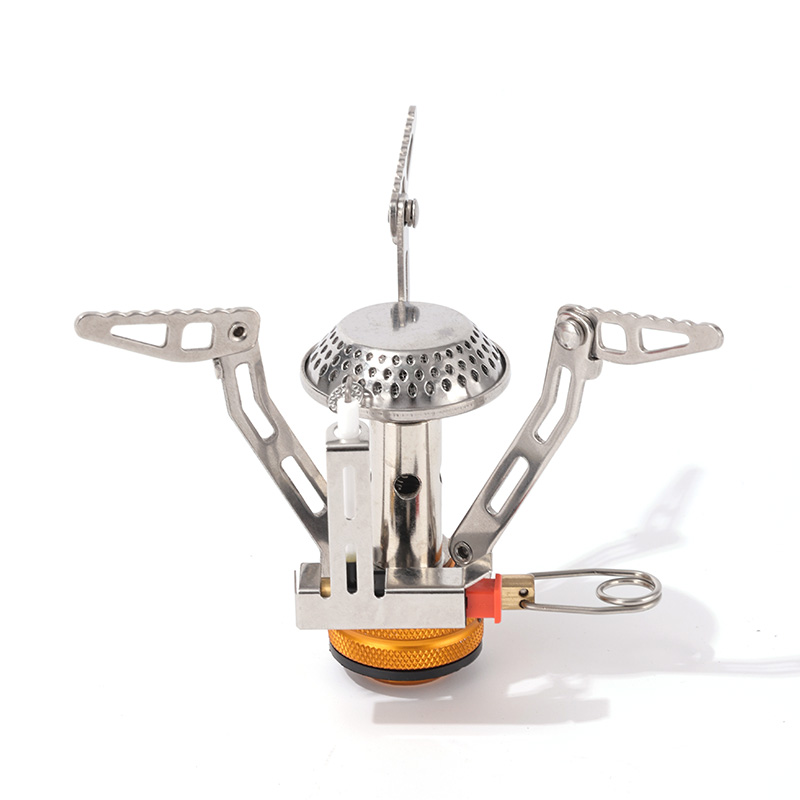
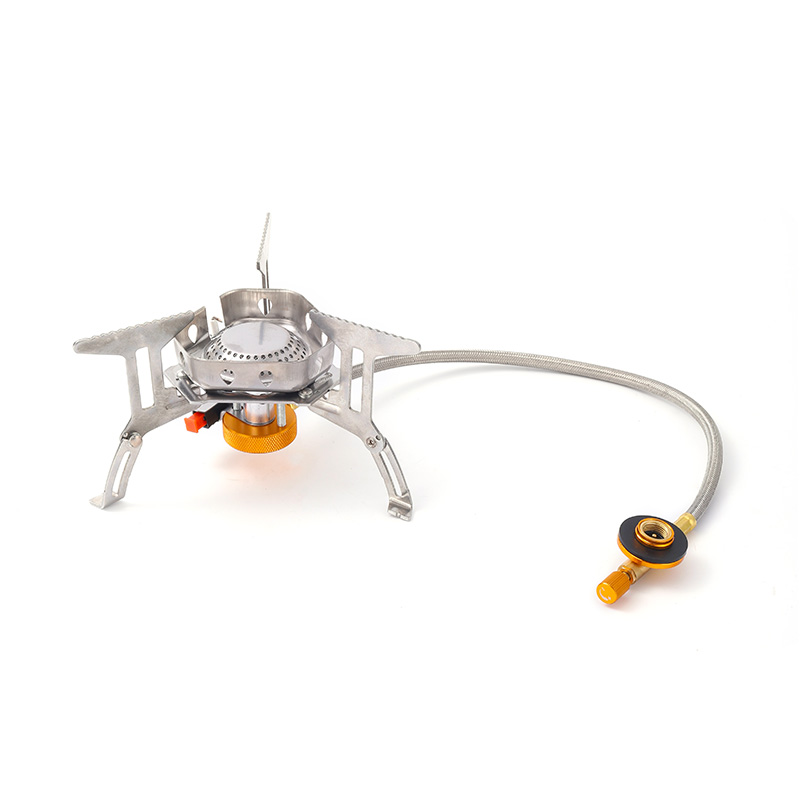
This is the classic portable camping cooking stove: a folding body, a single burner head, and often a windshield ring or an extension hose that moves the canister away from the flame. It packs small, sets up in seconds and covers boiling, light frying and simple one-pot meals. Folding legs and a low centre of gravity matter more than a long feature list here.
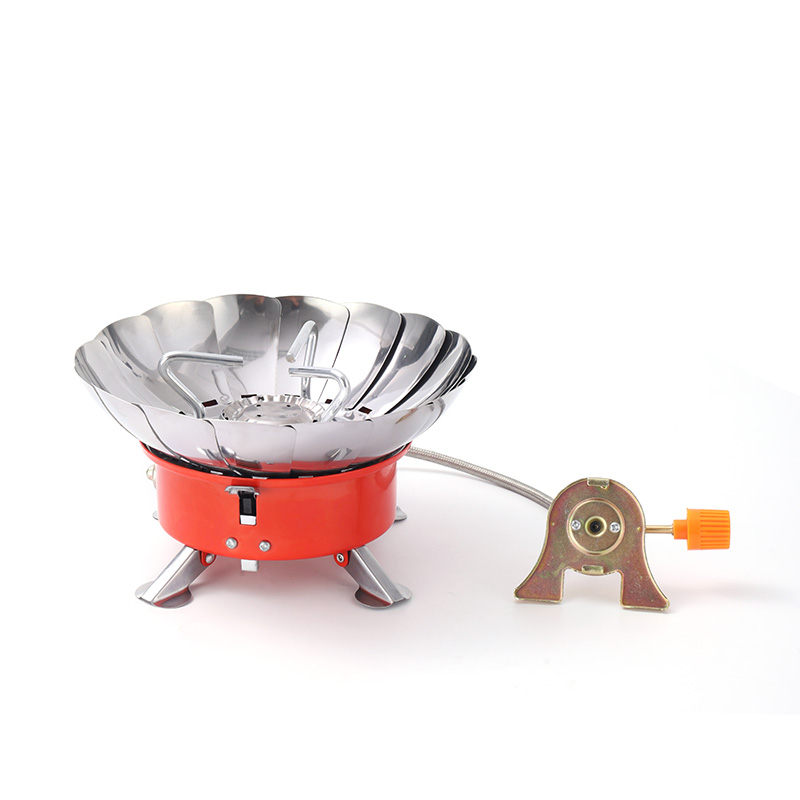 Folding Windproof Camping Stove with Extension CatheterA compact single-burner folding stove with windproof lotus design, extension catheter and enlarged foot pads for stable outdoor cooking.View Product →
When two or more dishes need to come together at the same time, extra burner heads earn their place. Three, four, five and even seven-core layouts exist, and output climbs accordingly. These stoves suit car camping, group trips, picnics and anyone who genuinely cooks rather than just reheats. The trade-off is weight and packed volume, so a folding frame is usually worth insisting on.
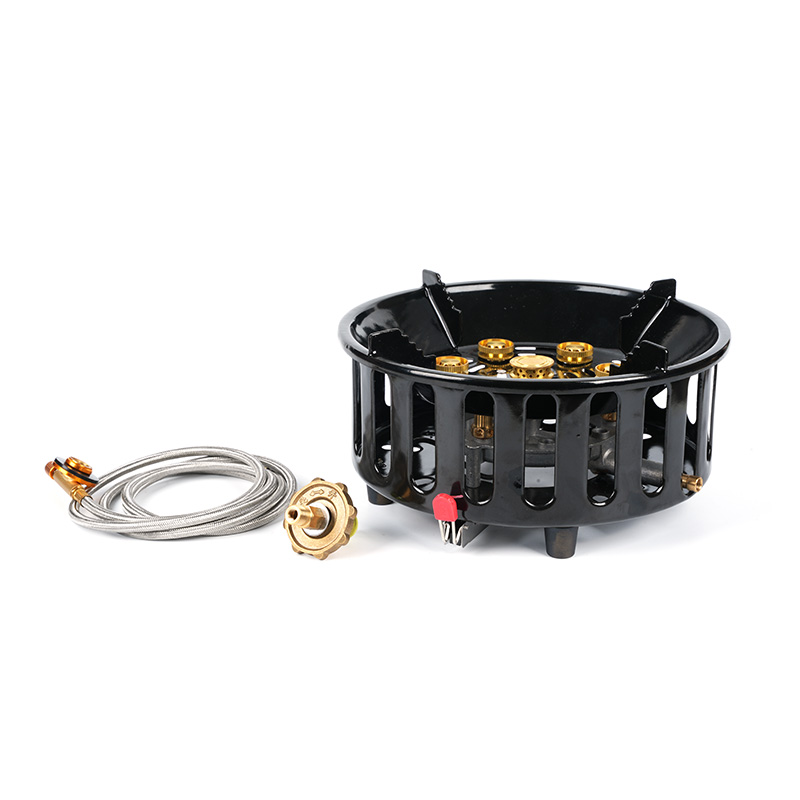 High-Power Portable Windproof 7-Core Camping StoveA seven-burner high-output stove with adjustable heat, windproof ring and three-purpose connection for group camping and outdoor cooking.View Product →
The burner screws directly onto the gas canister, sometimes with a built-in pot support and piezo ignition. They are the lightest option and excellent for fast water boiling, though a high canister raises the centre of gravity and stability suffers on uneven ground.
| Format | Typical packed weight | Best suited to | Fuel approach |
|---|---|---|---|
| Single-burner folding | 0.3–1.2 kg | Solo and small-group trips, boiling and simple meals | Butane or propane mix canister, sometimes with hose |
| Multi-burner | 1.5–5 kg | Family camping, group cooking, picnics | Canister or long gas tank with adapter |
| Integrated canister-top | 0.1–0.4 kg | Ultralight hiking and fast water boiling | Screw-on canister only |
Wind is the quiet enemy of outdoor cooking. It steals heat, stretches boiling times and can push a flame towards the canister. A well-designed stove handles this in three ways: a recessed or shielded burner head that protects the flame, pot supports wide enough to hold a real pan rather than only a mug, and a windshield or folding side panels that cut airflow without trapping heat near the fuel.
Stability deserves equal attention. Look at how the legs lock, whether they splay outward, and how much of the stove sits close to the ground. On soft ground, a wider footprint always beats a lighter one. Ignition is the third detail: a piezo system is convenient, but a stove that also lights reliably with a match or lighter is the one that will not let you down when the igniter gets damp.
Most portable stoves run on butane, isobutane, propane or a blended canister. Butane is cheap and burns cleanly but struggles in low temperatures; propane handles cold far better and delivers more pressure. For shoulder-season and winter trips, a propane-rich blend is the safer bet, and a stove with a preheat tube or a hose that keeps the canister upright and slightly warm will perform noticeably better.
Connection standards vary by region, and this is where adapters earn their keep. A simple connector lets a stove run from a long gas tank, a different valve type, or a locally available canister — a practical advantage for travellers and for retailers serving mixed markets.
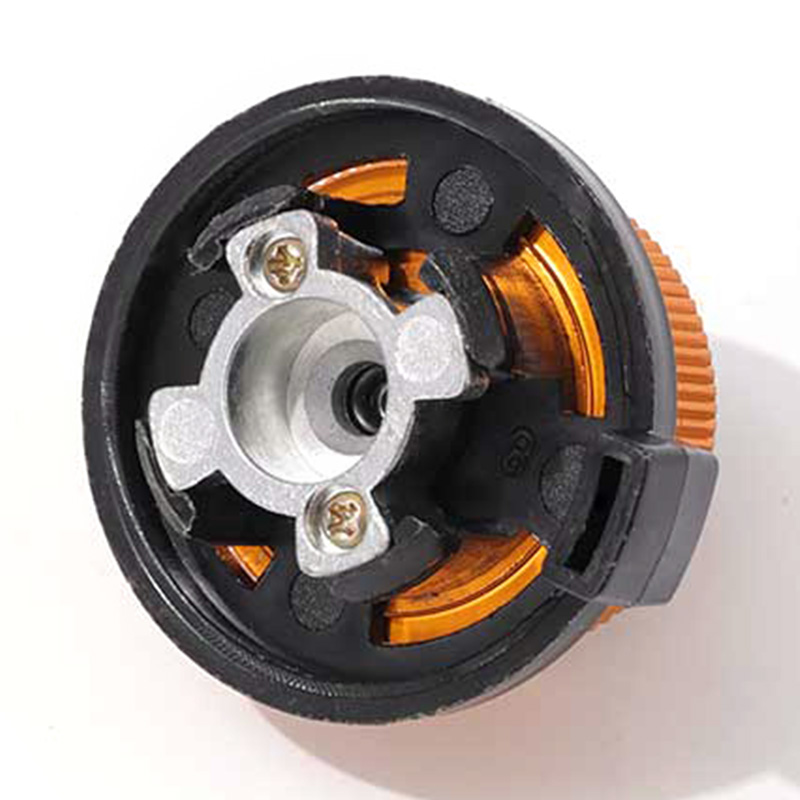 Camping Stove Gas Canister Adapter ConnectorA compact aluminum and copper adapter with automatic closing and leak-proof design for connecting different gas canisters to threaded-hose camping stoves.View Product →
Whichever fuel you choose, check the seal before every trip. A light soapy water test around the joint takes seconds and reveals a leak before it becomes a problem.
Almost every stove failure we hear about traces back to a handful of habits rather than a manufacturing defect. A short routine covers most of it:
Cleaning takes a few minutes and pays back in reliability. A soft brush, a dry cloth and an occasional check of the ignition electrode will keep a stove lighting first time for years.
If you are sourcing stoves for a retail range or a distribution network, the questions shift from campsite comfort to consistency. Beyond the sample in your hand, confirm that the factory controls its own parts, moulds and assembly, because that is what keeps the tenth shipment identical to the first. Ask for certification documentation, check whether the design carries its own patents, and look at how quality checks are distributed across the production line rather than only at the end.
It also helps to see where the product is actually made. You can take a look inside our factory to see the mould shop, assembly lines and inspection stations behind our range, and our camping stove manufacturing overview explains how OEM and ODM projects move from drawing to delivery.
A portable camping cooking stove is a modest object, but it carries a lot of expectation: a hot meal, a safe evening, a trip that goes to plan. Choose for the way you cook, respect the fuel system, and the stove will quietly do its job season after season.

Copyright © Yongkang Aomijia Industry & Trade Co., Ltd. All Rights Reserved.
Lightweight Camping Gas Stove Cookware Factory

 English
 中文简体
 Español
 Português