Content
A windproof camping stove is not a magic answer to every gust, but it can make the difference between a hot meal and a frustrating half-hour of watching a flame dance away from the pot. On exposed ridges, windy lake shores, or even a breezy picnic spot, wind pulls heat sideways, disturbs the fuel-air mix, and forces the burner to work harder. The result is often slower boiling, higher fuel use, and a stove that feels unstable when you need it most.
We have spent years designing and producing outdoor gas stoves for campers, backpackers, and outdoor brands. That work has taught us that wind resistance is rarely about one feature. It comes from a combination of burner shape, pot support, windshield design, base stability, and sensible fuel choice. If you are comparing models or sourcing stoves for a product line, the details below are the ones worth checking first. You can also explore our broader camping stove manufacturing capabilities to see how these design choices come together.
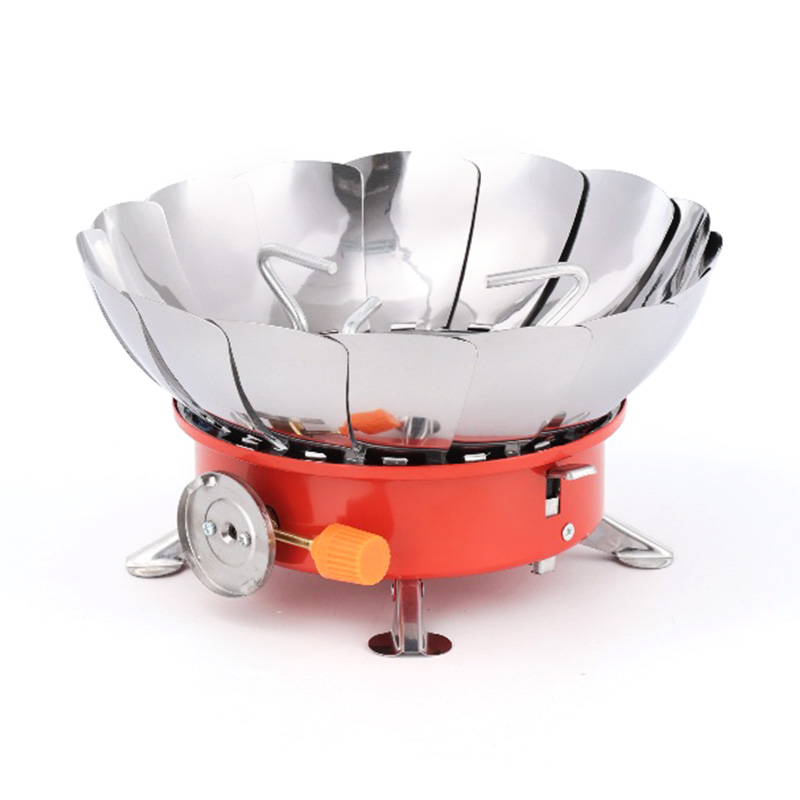
Windproofing starts with the flame. A burner that sits low and slightly recessed is less exposed to crosswinds than a tall, open burner. Pot supports that bring the base of the pot close to the flame also help, because less heat escapes into the air before it reaches the cookware. Some stoves add a raised ring, a lotus-style burner, or a perforated windshield that guides air while still allowing enough oxygen for clean combustion.
Common design choices include:
A truly windproof stove is not sealed like a lantern. It still needs airflow for safe combustion. The goal is to protect the flame from gusts while keeping the fuel system cool and well ventilated. That balance is where good design matters more than a bold label.
When you compare windproof camping stoves, look beyond the word “windproof.” Check how the stove is built, how it packs, and how it behaves with the pots you actually use. A stove that is stable with a small titanium mug may feel very different under a full two-liter pot.
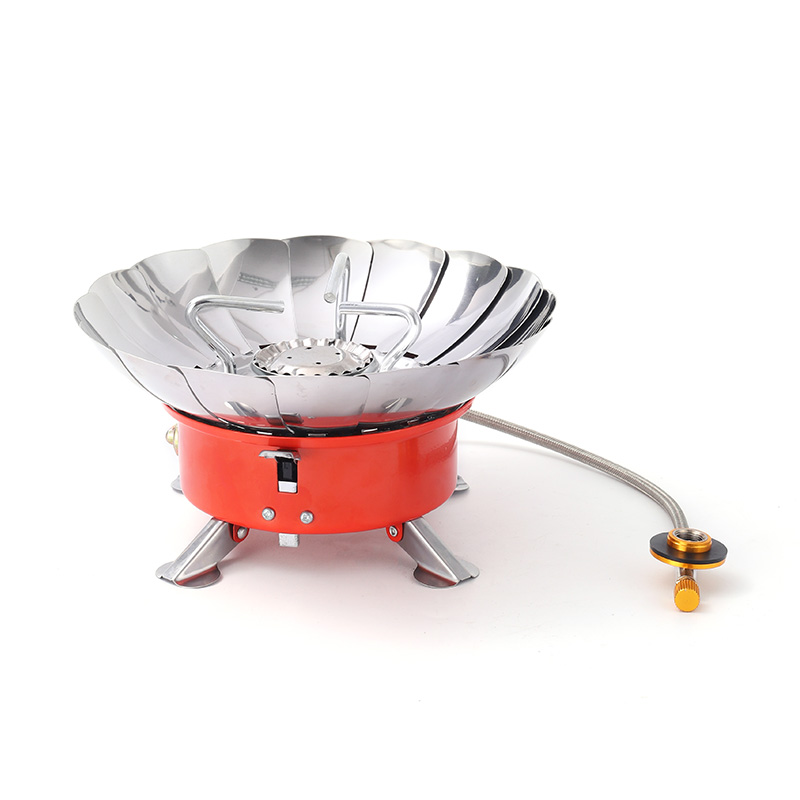
For backpackers who use a remote canister or want extra reach, a folding windproof camping stove with an extension catheter can be a practical choice. It can lower the stove profile, improve stability, and keep the fuel canister in a more protected position.
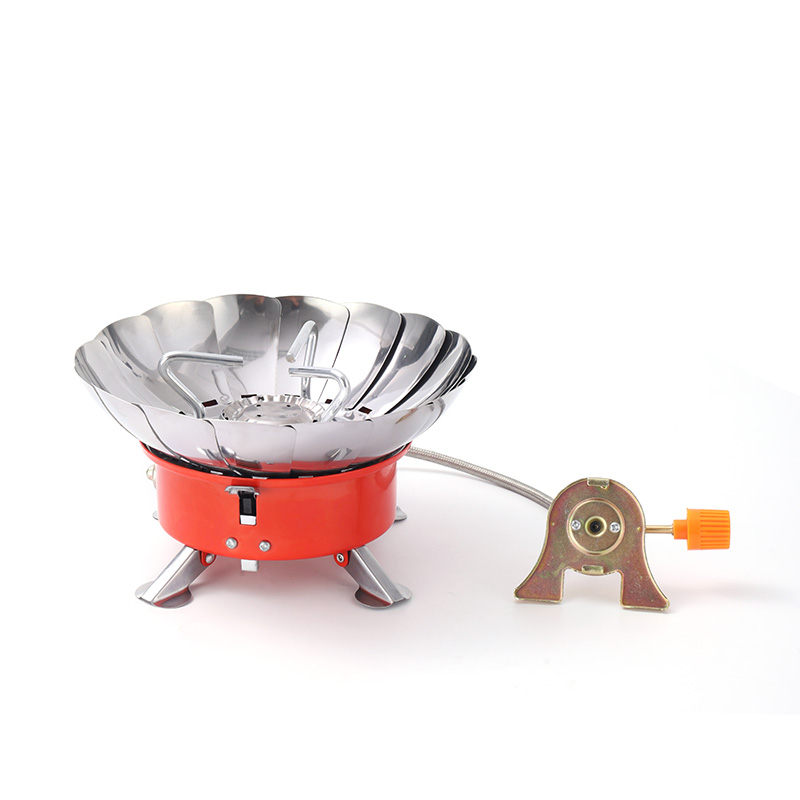 Folding Windproof Camping Stove with Extension CatheterA folding stove with an extension catheter that can position fuel lower for a more stable setup on uneven ground.View Product →
That extension catheter matters because it changes how the stove sits on the ground. Instead of balancing a canister on top of a narrow burner, you can place the fuel lower and route it to the burner. In wind, that often feels more secure, especially when the ground is uneven or the pot is full.
Wind is only one part of the equation. Fuel behavior changes with temperature, and a stove that works well on a mild summer evening may feel sluggish on a cold morning. Butane-rich canisters generally perform best in warmer conditions. Propane or isobutane blends tend to hold pressure better when temperatures drop, but the exact mix and stove design still matter.
| Fuel type | Best for | Cold-weather notes | Buyer check |
|---|---|---|---|
| Butane canister | Mild-weather weekend camping and casual cooking | Pressure can drop near freezing, so output may fall | Confirm canister fit, seal quality, and stove rating |
| Propane-rich blend | Cooler mornings, higher output, and mixed-season trips | Usually performs better in cold, but still needs sensible use | Check fuel compatibility and canister valve type |
| Isobutane mix | Backpacking and compact canister stoves | Good balance in cool conditions, depending on the blend | Match the stove to the canister thread and pressure rating |
In cold weather, keep the canister as warm as practical before use, but never heat it directly with a flame or place it near an open fire. A windproof stove helps protect the flame, but it cannot fix a fuel canister that is too cold to deliver steady pressure. If you plan to cook in freezing conditions, choose a stove and fuel system rated for that use, and test it before your trip.
For solo backpacking, the priority is usually weight, packed size, and a stable pot support for a small kettle or mug. A mini windproof single-burner stove can be a good fit because it protects the flame without adding much bulk. Look for a burner that sits close to the pot and a base that will not sink into soft ground.
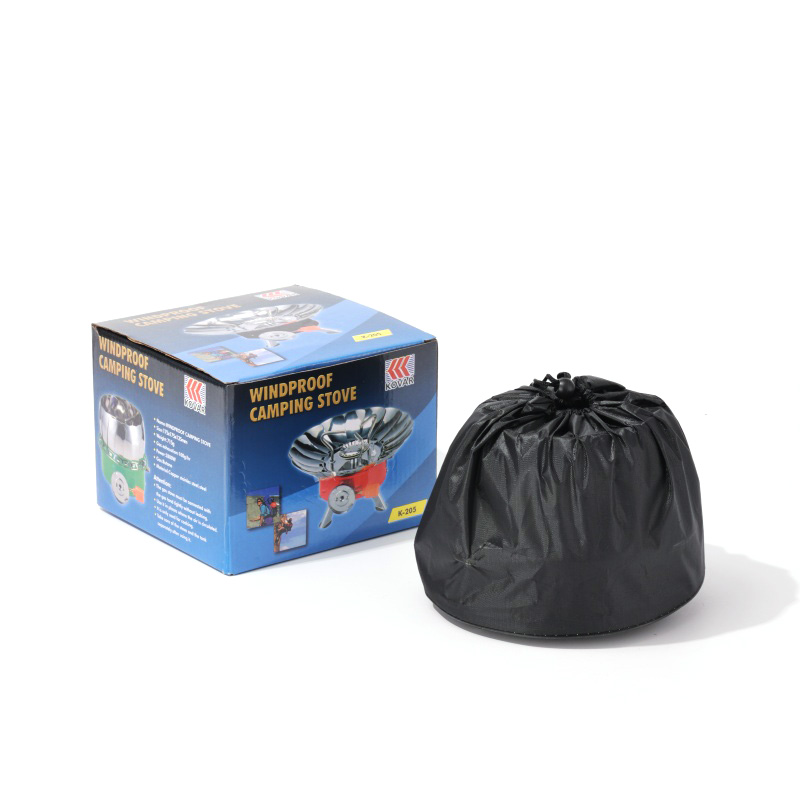 Windproof Single-Burner Mini Camping Gas StoveA compact single-burner stove for solo backpacking, with a windproof burner and adjustable flame for small pots and quick boils.View Product →
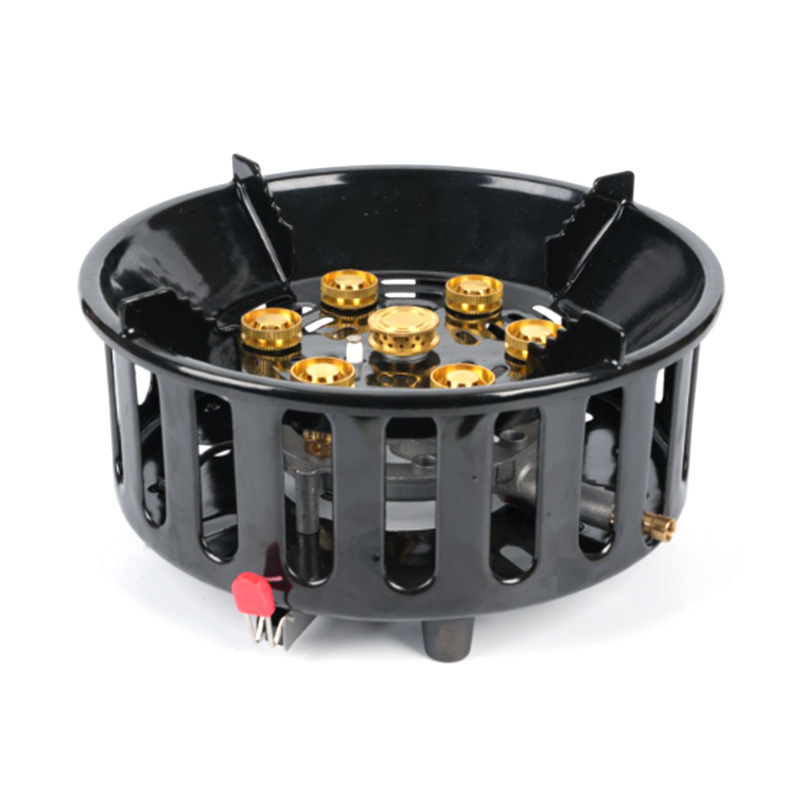
For group camping, the conversation changes. You may be heating a larger pot, boiling water for several people, or cooking a proper meal rather than just rehydrating food. A multi-burner or high-output stove can spread the work and reduce waiting time, but it also needs a stable footprint and good wind protection around each burner.
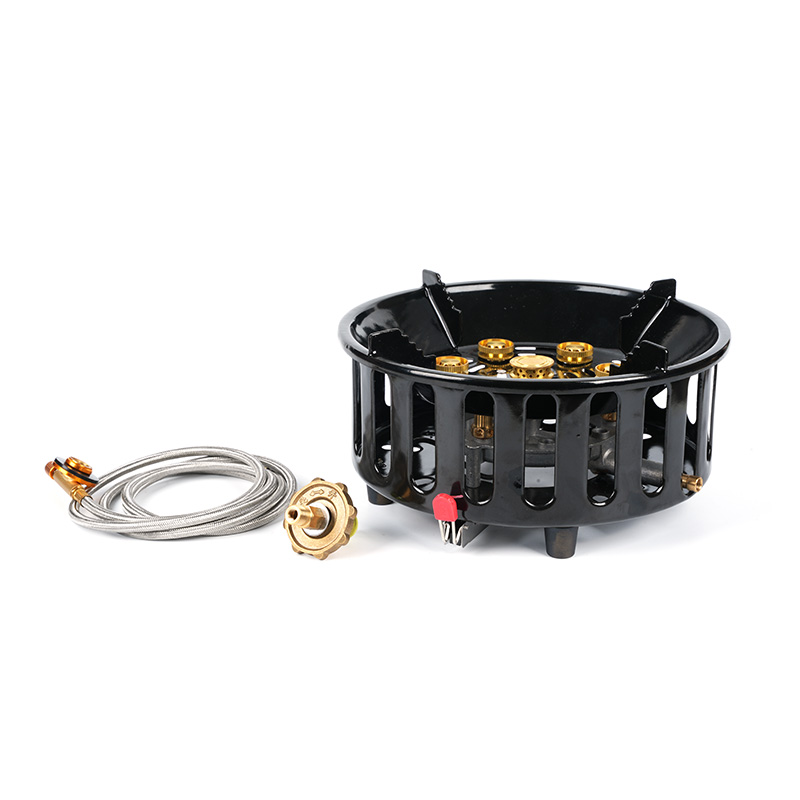 High-Power Portable Windproof 7-Burner Camping StoveA high-output multi-burner stove for group camping, with a windproof ring and adjustable heat for larger pots and shared meals.View Product →
Base camp users can usually accept more weight in exchange for stability, fuel efficiency, and easier cooking. A larger stove with a wide pot support and a well-designed windshield is often more pleasant than an ultralight model that feels nervous under a full pot. The right choice depends on how you travel, how many people you cook for, and how exposed your usual campsites are.
Windproof designs can encourage people to cook in places where an open flame would struggle, so safety habits deserve extra attention. Set the stove on a level, fire-resistant surface. Keep it away from tent walls, dry grass, and overhanging branches. Never use a stove inside a tent, vehicle, or enclosed shelter, even if the flame looks stable.
After a trip, wipe down the stove, check the pot supports, and store it dry. Small maintenance habits make a bigger difference than most people expect, especially if the stove is used often in sandy or dusty conditions.
For brands and distributors, windproof performance needs to be repeatable, not just impressive in one demo. Ask how the burner is tested in crosswinds, how the pot support is rated, and whether the windshield design has been checked for heat buildup around the fuel source. These details affect both user satisfaction and product safety.
At our factory, we combine more than 20 years of product design and mold-making experience with in-house parts production, assembly, and quality inspection. We produce camping stoves, multi-burner models, gas torches, cookware, adapters, and related outdoor gas products for OEM and ODM projects. Our team can work from drawings or samples, and our quality process includes checks at each production stage, supported by CE certification and patented designs.
Before placing an order, ask for sample testing in realistic wind conditions, clear fuel compatibility information, and a maintenance guide that users can actually follow. A good windproof camping stove should feel calm and controlled in the field, not just look technical on a specification sheet.
Windproof camping stoves are at their best when design, fuel choice, and cooking habits work together. Protect the flame, keep the stove stable, match the canister to the conditions, and respect basic safety rules. Whether you are packing for a solo hike or sourcing a new outdoor stove line, those practical details will serve you better than any single marketing claim.

Copyright © Yongkang Aomijia Industry & Trade Co., Ltd. All Rights Reserved.
Lightweight Camping Gas Stove Cookware Factory

 English
 中文简体
 Español
 Português