Content
An all-in-one camping stove is less about a clever label and more about a calm, workable cooking setup. The idea is to arrive at camp with the burner, cookware, ignition, wind protection, and fuel connection already working as one system, rather than as a bundle of parts that fight one another.
From our workshop in Yongkang, we have made outdoor gas stoves and cookware since 2012. We have seen how quickly a simple camping meal can become frustrating when a pot wobbles, the flame dances in the wind, or the gas can does not match the stove. A good all-in-one setup removes those small frictions. It lets you focus on coffee, rice, soup, or a hot pan after a long walk.
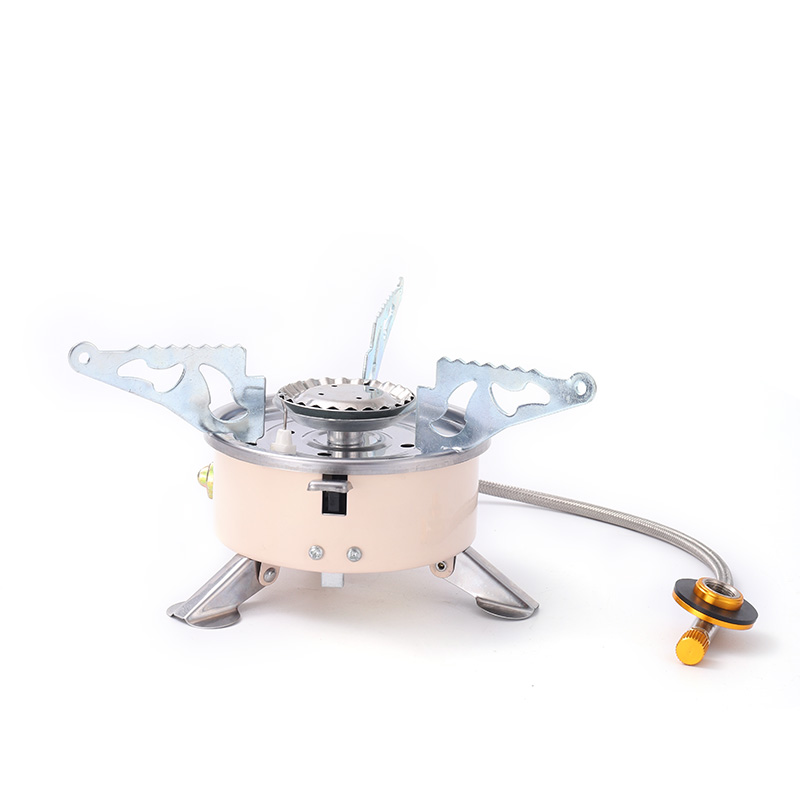
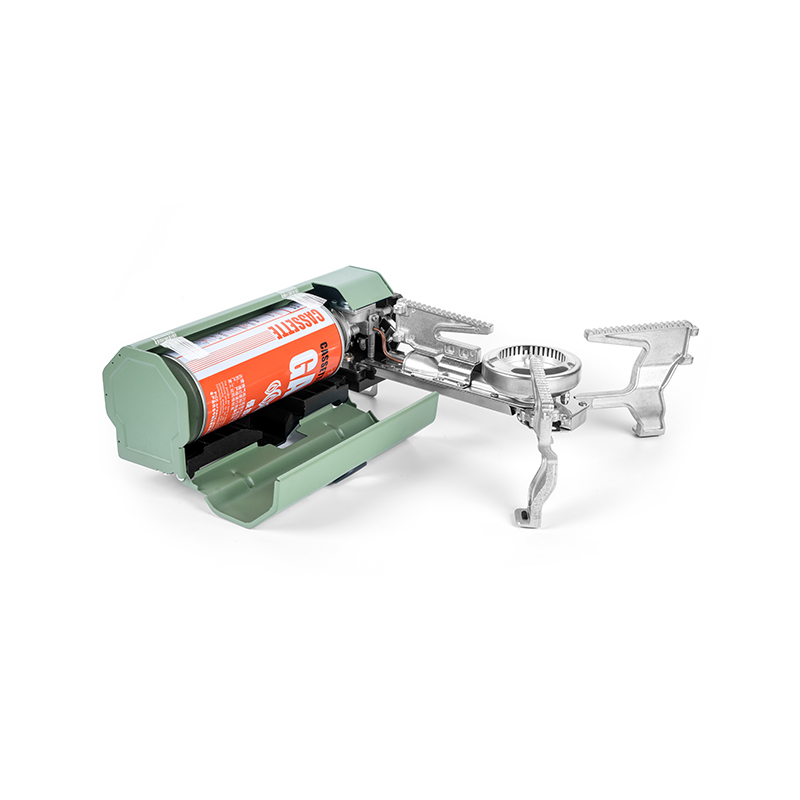
In everyday use, all in one can describe a few different arrangements. One is an integrated stove where burner and pot are designed as a package. Another is a folding multi-burner stove that gives a group a complete cooking surface. A third is a stove-and-cookware kit with pots, a pan, and sometimes a gas adapter packed together.
The common thread is compatibility. The burner should support the pot comfortably; the flame should spread evenly instead of concentrating on one hot spot; the ignition should work without coaxing; and the fuel connection should be simple enough to check in poor light. Those details matter more than a long feature list.
A true all-in-one system also thinks about storage. Pots nest, legs fold, hoses tuck away, and small parts have a clear place. When the stove packs down neatly, it is more likely to be taken along and more likely to be used comfortably.
Picking a format comes down to group size, carrying distance, and the kind of meals you cook. The table below keeps the trade-offs in plain view.
| Format | Typical group | Main strength | Watch point | Best for |
|---|---|---|---|---|
| Integrated single-burner system | 1–2 people | Compact and quick to set up | Limited pot size | Backpacking and fast meals |
| Foldable multi-burner stove | Family or group | Several dishes at once | Weight and footprint | Car camping and base camp |
| Stove-and-cookware kit | 2–4 people or more | Consistent cooking experience | Packing volume | Weekend camping and shared meals |
| Single burner plus adapter | Flexible small groups | Works with different gas cans | Extra connection checks | Travel and mixed fuel supply |
For small groups, a foldable multi-burner stove can hit a useful balance: more cooking space than a single burner, yet a more manageable packed size than a large camp range. A stable base and sensible burner spacing matter as much as the headline power.
 Outdoor 3 Burner Mini Foldable Camping StoveA compact three-burner stove with windshield, piezo ignition, and 5800W output; foldable design and carrying bag suit small-group camping.View Product →
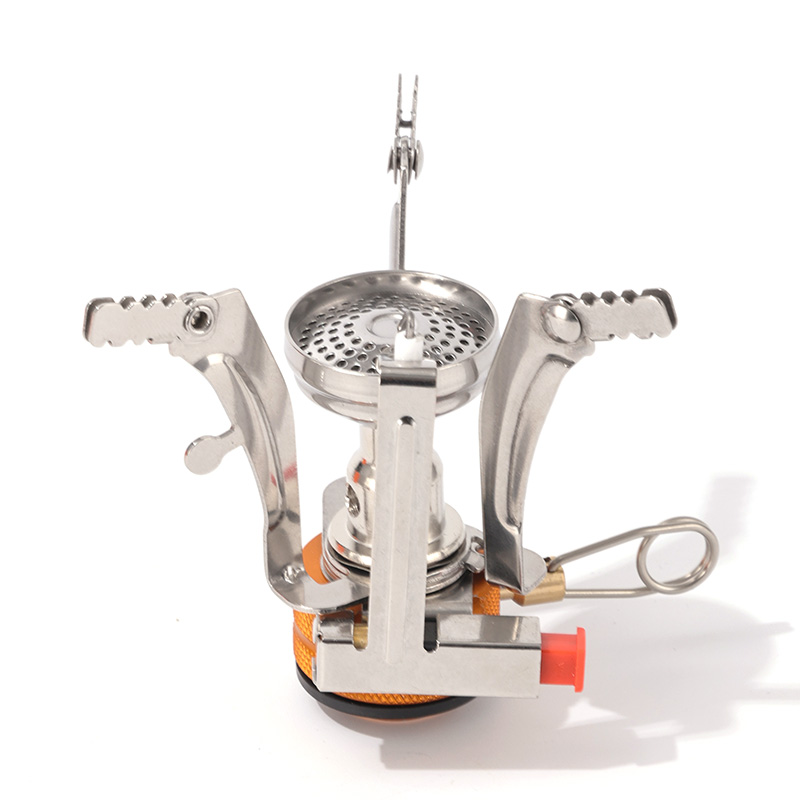
On a compact stove, a stable burner is more valuable than a dramatic flame. The pot should sit without rocking, the flame should stay under the base rather than climb the sides, and the control should allow a gentle simmer. An integrated model can be very efficient because the burner and pot are matched. That does not mean every integrated stove suits every trip; check packed size, pot capacity, and how easily the parts clean.
 Folding Integrated Portable Camping Gas StoveA 95 g integrated stove with 2500W output, foldable support frame, and adjustable flame control for compact outdoor cooking setups.View Product →
For groups, burner spacing matters. Two pots that bump each other or a pan that blocks the second burner will make a multi-burner stove feel smaller than it is. A wide, stable base helps on uneven ground, while folding legs should lock firmly without becoming a puzzle in the dark.
Cookware is where many otherwise good setups lose their advantage. A thin pot may heat quickly but scorch rice; a wide pan may cook well but refuse to nest; a set with handles that fold awkwardly can waste space. Look for cookware that seats securely, cleans without a long soak, and leaves room for the gas connection and stove controls.
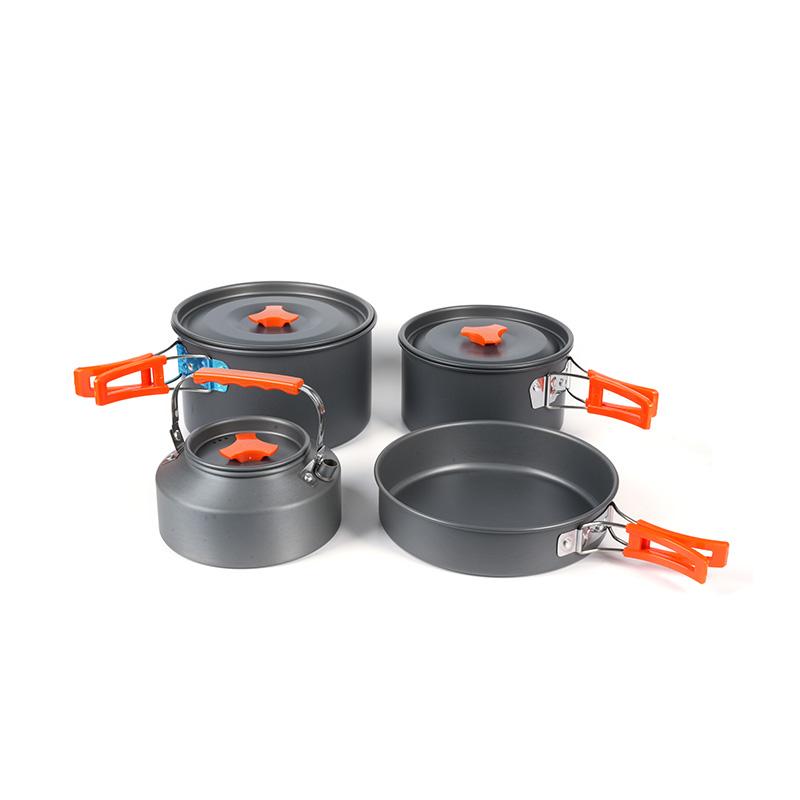 Portable Aluminum Camping Cooking Set for GroupsA food-grade aluminum, non-stick nesting cookware range with multiple set models, useful for shared camp kitchens and simpler packing.View Product →
A matched cooking set also makes packing simpler. When the pot, lid, and pan are designed as a family, you spend less time hunting for the right lid and more time eating. For shared trips, a multi-person set can be a practical anchor for the whole camp kitchen.
Wind is the quiet test of any all-in-one camping stove. A calm-looking flame can waste fuel and lengthen cooking time when a breeze crosses the burner. A built-in windscreen, a recessed burner head, or a pot that shields the flame can all help, but the setup still needs to be placed with care. Avoid cooking in a tent or a closed space, keep the stove level, and check the gas connection before every trip.
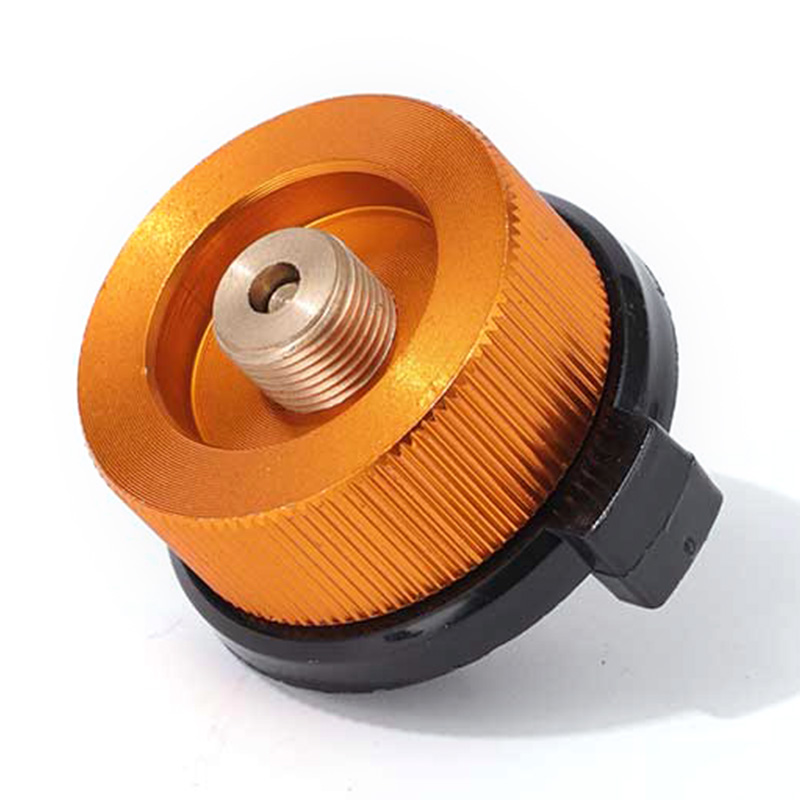
Fuel systems deserve the same attention. Some campers prefer small butane cans for compact trips; others need a larger gas source or an adapter for local supply. An adapter can extend flexibility, but it must seat correctly and be checked for leaks. Read our portable camping cooking stove guide for more on fuel types, safety, and buying decisions.
Start with the number of people you usually feed, then work backward to the stove. A solo hiker may value a small integrated burner and a single pot. A couple on weekend trips may prefer a slightly larger single burner with a nesting cook set. A family or group will usually be happier with two or more burners, even if the stove weighs more.
Before a big trip, set the stove up at home. Light it, fit the pot, and pack it away again. That short practice run reveals missing parts, awkward controls, and loose connections while the setting is still calm.
Because we make both stoves and cookware, we tend to judge an all-in-one setup from the parts outward. We look at burner stability, pot seating, flame control at low settings, the fit of the gas connection, and how the whole kit packs. Our manufacturing background covers design, mold making, component production, and inspection, which helps us catch small mismatches before they become user problems.
For brands and buyers, the useful question is not simply how many features a stove has. It is whether the burner, pot, and fuel system tell the same story. A stove that is easy to cook on, easy to check, and easy to pack will earn its place in a camping range far more reliably than a model that only looks impressive in a catalog.
The best all-in-one camping stove is not the one with the longest feature list. It is the one that makes breakfast easy, packs without fuss, and feels stable when the ground is uneven. Start with the meals you cook most often, choose a burner size that suits your group, and give as much thought to the pot and fuel connection as you do to the flame.
That is how an all-in-one setup earns its name: not by doing everything, but by making the important parts work together.

Copyright © Yongkang Aomijia Industry & Trade Co., Ltd. All Rights Reserved.
Lightweight Camping Gas Stove Cookware Factory

 English
 中文简体
 Español
 Português